Skip to content

Military And Veterans Hospital Insurance

Your hospital's connection to a government program does not by itself identify who insures its clinicians or leadership. Employment status, entity role and contract duties need to distinguish federal arrangements from private protection you may require.

Identify the owner, each provider's employer and scope, and any private or contracted work before comparing insurance.

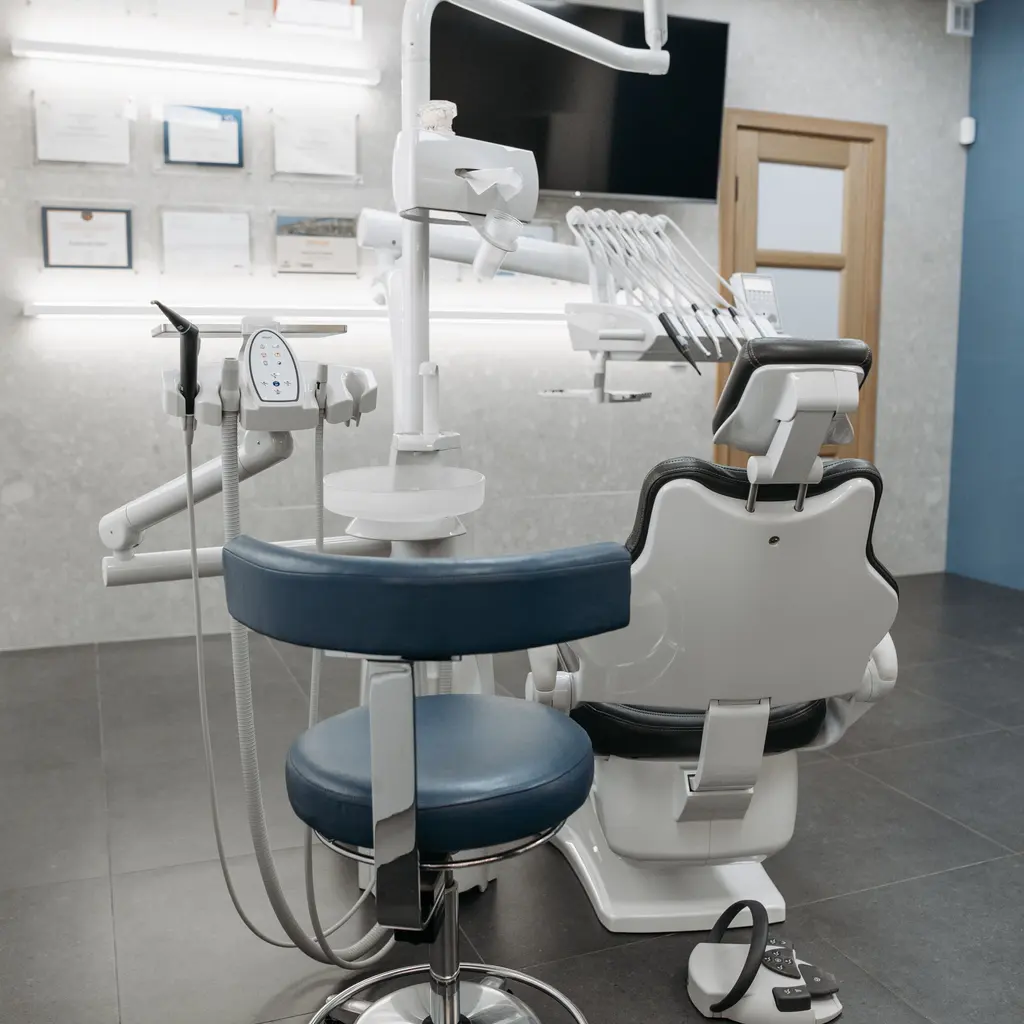
An empty dental treatment room with a patient chair, stool and instrument delivery unit.

Industry overview

You oversee clinical and administrative services for veterans and service members, where complex care delivery and record management can lead to unexpected liability. If a grant duty, patient event or workforce oversight is mismanaged, your entity could face significant regulatory or litigation costs.

The Southern Agency can review your specific contract duties, hospital governance, and staffing to help you identify appropriate insurance coverage. For example, we can examine how your entity's status as a private affiliate or state provider affects your liability protection, distinct from federal coverage.

Risks worth discussing

Complex-care malpractice exposure

Actual services may include combat-injury rehabilitation, behavioral health, brain-injury care or chronic-condition treatment. Review the clinicians, employers and accepted duties involved rather than inferring a universal case mix from the patient population.

Behavioral health and patient supervision

Mental-health programs introduce self-harm, elopement, and supervision claims that demand careful protocols and coverage.

Sensitive data and cyber exposure

Records combining health and service-related information create significant breach and HIPAA liability if compromised.

Contract and compliance obligations

Government affiliations and program contracts often impose specific insurance, reporting, and compliance requirements.

Governance and management liability

Boards, administrators, and grant oversight create directors-and-officers and management-related claim potential.

Workforce and volunteer injuries

Clinical staff, support workers, and volunteers face injury exposure across a large, around-the-clock campus.

Property and continuity risk

Damage to inpatient wings, rehab facilities, or critical systems can interrupt specialized services for a vulnerable population.

Coverage worth discussing

Policies to ask about. Which ones fit depends on your operations, your contracts, and the carrier’s forms.

Situations to think through

These hypothetical examples are not agency claim results. Whether a loss is covered depends on the facts, policy terms, and applicable exclusions.

  1. Hypothetical: Hypothetical: behavioral-health supervision claim

    Suppose a family alleges inadequate supervision after harm in a behavioral-health program. Identify the defendant, employer and in-scope duties first, with counsel confirming the applicable statutory or private-policy arrangement. A hospital's military or veterans affiliation does not establish commercial malpractice response.

  2. Hypothetical: Hypothetical: veteran records breach

    Suppose an attack exposes medical and service-related records handled by a contractor. Review its actual data responsibilities and cyber grant, including response approval and covered provider events. Federal records duties, contractual response promises and private-policy benefits are separate questions.

  3. Hypothetical: Hypothetical: governance dispute

    Suppose a private-affiliate administrator faces a claim about a program-funding decision. Applicable D&O terms may address an accepted governance allegation for the included entity and role. A grant repayment, government administrative action or federal official's decision is not automatically a private-policy loss.

Before you talk to an agent

What to have ready

Tick items as you gather them. Nothing here is saved or sent.

Questions to raise

  • Align professional liability with complex-care service lines
  • Review contract-mandated coverages and required limits
  • Assess cyber exposure across sensitive combined records
  • Confirm management liability for board and grant oversight
  • Evaluate volunteer coverage within workforce protection

Contract terms to check

  • Obtain counsel review of applicable federal/state liability and worker-injury arrangements before assuming commercial malpractice, D&O, or state WC is relevant.
  • Compare actual contract insurance schedules for private/contracted activities; affiliation, certificates and statutory protection do not automatically insure every contractor, volunteer or off-duty service.

What the agent conversation looks like

Start with the work you do and the questions your current policies leave unanswered. Carrier options depend on your location, risk, and underwriting. Explore our approach.

  1. ListenReview your operations, current coverage, and past claims.
  2. AssessIdentify potential hazards and discuss ways to reduce risk.
  3. BuildDiscuss policy and carrier options, premium costs, and audits.
  4. SupportReview changes and help you plan ahead as your needs develop.

Questions owners ask

What insurance does a military or veterans hospital typically need?

Start with ownership and each provider’s employment/scope. Federal liability arrangements differ from commercial cover for a private affiliate or contractor; review actual clinical, property, data, workforce, and contract needs without assuming all listed policies apply.

Why is management liability emphasized for these hospitals?

Identify government, private-affiliate or contractor entity and actual administrator/board capacities and applicable liability arrangements. Corporate D&O is not automatically federal-official or clinical protection; review actual governance/funding grants, defined claim, exclusions, and loss/reporting rather than assume one commercial hospital program.

How does behavioral-health care affect coverage?

Mental-health and PTSD programs add supervision and self-harm exposure. Professional liability should reflect those service lines, and terms depend on underwriting and protocols.

Do government contracts dictate insurance?

Read the actual agreement and applicable liability regime. Requested limits and endorsements need insurer review; contractual insurance does not itself establish statutory protection or overall government compliance.

Why is cyber coverage important here?

Records may combine medical and service-related data, raising breach severity. Cyber coverage may help with response and liability if systems are compromised, depending on the specific policy.

Are volunteers covered for injuries?

Identify volunteer role, sponsoring entity, and applicable statutory or policy terms. Injury benefits, liability for acts, vehicle use, and medical practice are different questions; no automatic workforce coverage is assumed.

Talk through your military and veterans hospital coverage

Bring your questions, current policies, and relevant contracts. An agent can review coverage terms, exclusions, and the information carriers ask for, then explain the options available to you.

How can we help you get started?

Choose the quote that fits, and we’ll take it from there.

Have a question? Contact us