

Patient falls during therapy
Mobility-limited patients relearning movement are prone to falls during gait training and transfers, driving professional liability claims.
Try a different word, or check the spelling.
Your patient lifts and portable therapy devices can serve several rooms during a recovery program. Equipment and movement-related protection need to fit that use, separately from clinical responsibility for transfers, therapy and ongoing nursing care.
Map nursing and therapy duties, lift supervision and the ownership and movement of devices used across the hospital.
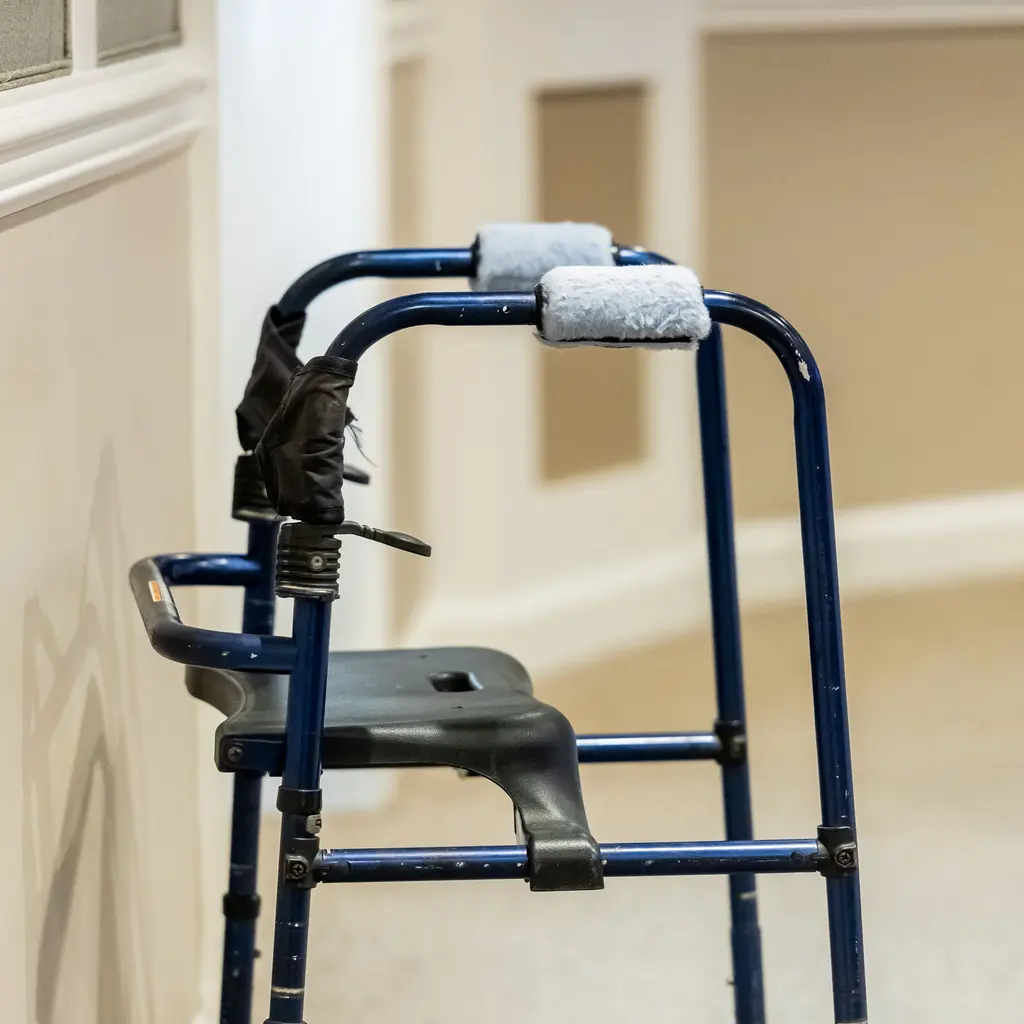
You support patients through intensive inpatient therapy as they recover from strokes or injury, which requires specialized handling and equipment. If a patient falls during a transfer or alleges an injury related to their therapy, your facility could face complex liability and care-coordination concerns.
The Southern Agency can help you align your professional and property insurance with your rehabilitation services. For example, we can review how your inpatient therapy and equipment use affect your professional and inland-marine coverage.
Mobility-limited patients relearning movement are prone to falls during gait training and transfers, driving professional liability claims.
Exercises on equipment, parallel bars, and mats can cause injury if improperly supervised, creating clinical liability exposure.
Lifts, therapy machines, and assistive devices are essential to care, and damage or failure can disrupt rehabilitation programs.
Long inpatient stays raise the risk of pressure injuries and care-coordination claims among less-mobile patients.
Therapy and medical records held electronically create breach and HIPAA exposure if systems are compromised.
Therapists and aides perform frequent patient transfers, sustaining strain and musculoskeletal workers' compensation claims.
Policies to ask about. Which ones fit depends on your operations, your contracts, and the carrier’s forms.
These hypothetical examples are not agency claim results. Whether a loss is covered depends on the facts, policy terms, and applicable exclusions.
Suppose a patient fractures a bone during gait training and alleges inadequate assistance. Review the prescribed exercise, supervision and insured therapist or hospital duties. Medical professional terms may address a covered allegation; a training injury alone does not prove negligence or guarantee indemnity.
Suppose an internal patient-lift failure damages equipment and interrupts therapy. Breakdown repair and purchased income or extra-expense terms may address eligible losses from the covered event. Patient injury, routine wear and servicing are separate questions, not automatically included because the lift is scheduled.
Suppose an incident exposes therapy and medical records held in an outside platform. Cyber terms may address a covered provider event and eligible response or privacy claims. Review actual data duties and consent; vendor indemnities, promised response costs and fines are not automatically insured.
Start with the work you do and the questions your current policies leave unanswered. Carrier options depend on your location, risk, and underwriting. Explore our approach.
Rehab hospitals commonly carry professional liability, property, equipment breakdown, inland marine, cyber, and workers' compensation coverage. The right mix depends on services and equipment, subject to underwriting.
Professional liability may respond to claims tied to falls during therapy or transfers. Terms reflect acuity and protocols and depend on underwriting and policy language.
Portable therapy equipment and assistive devices move between areas and may be damaged. Inland marine coverage may help protect these items, subject to policy terms.
Review the actual insured equipment and covered internal breakdown definition, including lifts, therapy machines or HVAC as applicable. Purchased repair, income and extra-expense terms differ from maintenance or injury to a patient. The fact a device is used for therapy does not establish every failure is covered.
Rehab hospitals hold therapy and medical records. Cyber coverage may help with breach response and liability if systems are compromised, depending on the specific policy.
Workers' compensation commonly responds to strain and lifting injuries among therapists and aides, subject to policy terms and jurisdictional requirements.
Bring your questions, current policies, and relevant contracts. An agent can review coverage terms, exclusions, and the information carriers ask for, then explain the options available to you.