

Resident falls and mobility injuries
Frail, long-staying residents are prone to falls and mobility-related injuries that frequently lead to professional and liability claims.
Try a different word, or check the spelling.
A resident fall during your staff's mobility assistance can raise a different question from a visitor tripping in the lobby. Care and premises terms need to reflect the actual support involved, with staff-injury and system protection kept distinct.
Review changing resident needs, care-plan duties and the building or staffing dependencies behind continuous support.
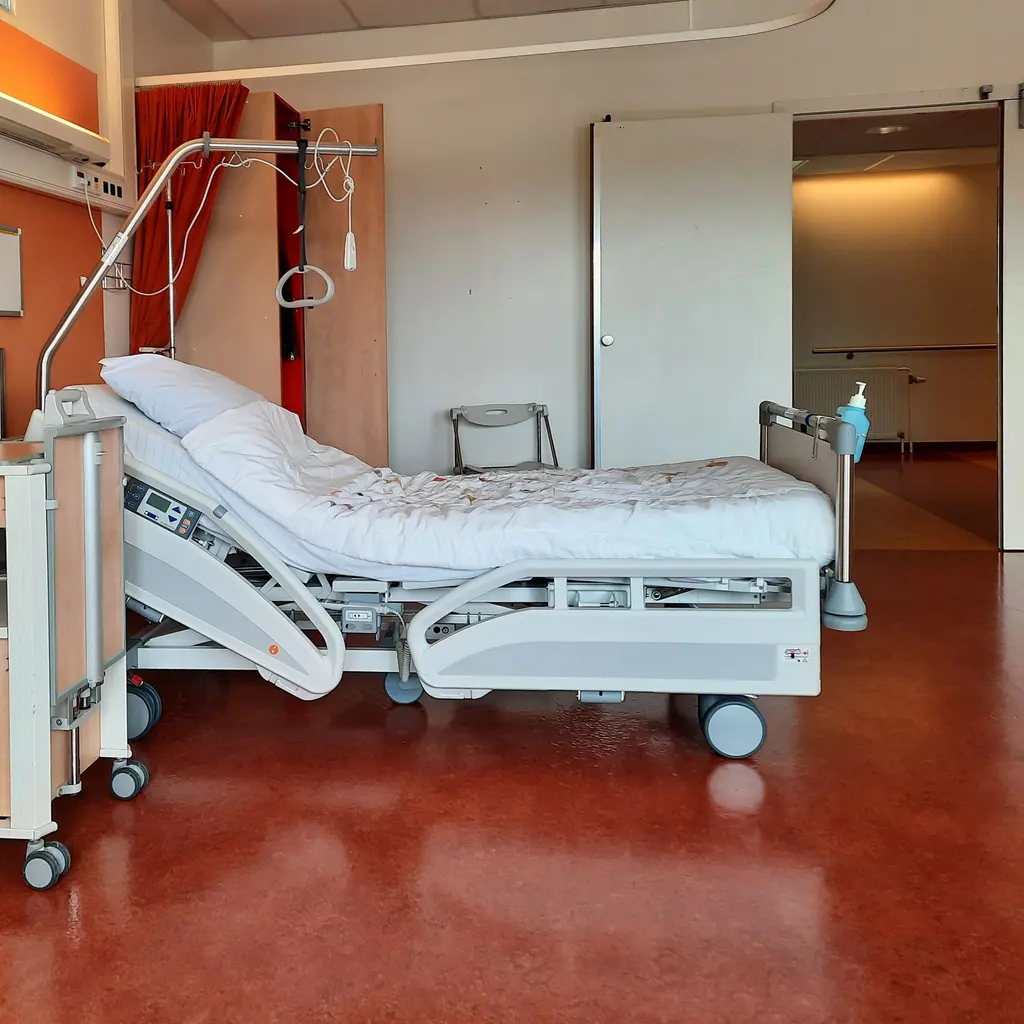
Your home provides long-term housing and personal support to residents who rely on your staff for their daily safety, where a pressure injury or a wandering incident can result in a claim. The sustained dependence of your residents means that any lapse in care is a significant risk to your business.
The Southern Agency can review your long-term care duties and staff-to-resident ratios to help select appropriate insurance. We can discuss professional liability for care-plan decisions and property coverage for your building's systems.
Frail, long-staying residents are prone to falls and mobility-related injuries that frequently lead to professional and liability claims.
Families may allege pressure injuries, dehydration, or inadequate supervision over extended stays, creating professional liability exposure.
Allegations involving vulnerable residents are serious and often excluded or sublimited without a dedicated endorsement.
Managing medications for many residents over long periods creates liability if a dosing or administration mistake causes harm.
Lifting, transferring, and assisting residents exposes staff to strains and injuries that drive workers' compensation costs.
Fire, water, or system failures in a continuously occupied building can disrupt care and require relocating residents.
A large caregiving workforce raises wrongful-termination, harassment, and wage-and-hour claim potential.
Policies to ask about. Which ones fit depends on your operations, your contracts, and the carrier’s forms.
These hypothetical examples are not agency claim results. Whether a loss is covered depends on the facts, policy terms, and applicable exclusions.
Suppose a family alleges inadequate supervision after a resident falls in a corridor. Determine whether the allegation concerns mobility assistance, a care plan or a premises condition. The actual professional and general liability terms govern possible response; neither automatically covers every resident fall.
Suppose a family alleges that failures in ongoing care caused pressure injuries. Review the actual care duties, insured providers, known circumstances and claim reporting. Professional terms may address a covered allegation; a long stay or injury alone does not establish negligence or guarantee settlement payment.
Suppose a pipe failure damages an occupied wing and residents move temporarily. Covered property damage and purchased income or extra-expense terms may address eligible repair and disruption costs. Check ownership, the water-loss cause and actual relocation limits; maintenance and every accommodation bill are not automatically insured.
Start with the work you do and the questions your current policies leave unanswered. Carrier options depend on your location, risk, and underwriting. Explore our approach.
These homes commonly consider professional liability, general liability, property, workers' compensation, and equipment breakdown coverage. The right mix depends on acuity and staffing, subject to underwriting.
A fall may involve the resident's mobility plan, hands-on assistance or a premises condition. Review the actual duty and allegation before assigning the claim to professional or general liability. The injury alone does not establish negligence or coverage.
Allegations involving vulnerable residents are serious and often limited on standard policies. A dedicated endorsement may help respond, depending on the specific policy and underwriting.
A covered property loss can force resident relocation and lost revenue, and business income coverage may respond, depending on policy terms and exclusions.
Caregiving involves lifting and transfers, making workers' compensation important, with costs depending on payroll, duties, and prior claims experience.
Review wrongful-termination/harassment and other covered allegations under actual EPLI. Wage-and-hour balances, benefits, and any limited defense extension need separate wording.
Bring your questions, current policies, and relevant contracts. An agent can review coverage terms, exclusions, and the information carriers ask for, then explain the options available to you.