

Medical malpractice across departments
Surgery, emergency, obstetrics, and inpatient units each generate professional liability exposure from diagnostic, treatment, and procedural errors.
Try a different word, or check the spelling.
Your operating rooms and care units depend on power, HVAC, and sterilization beyond the equipment at each bedside. Plant repairs, interrupted services, and clinical liability need different protection, even when the same systems are involved.
The Southern Agency can help coordinate professional liability, property, cyber, and workforce protection across your hospital departments.
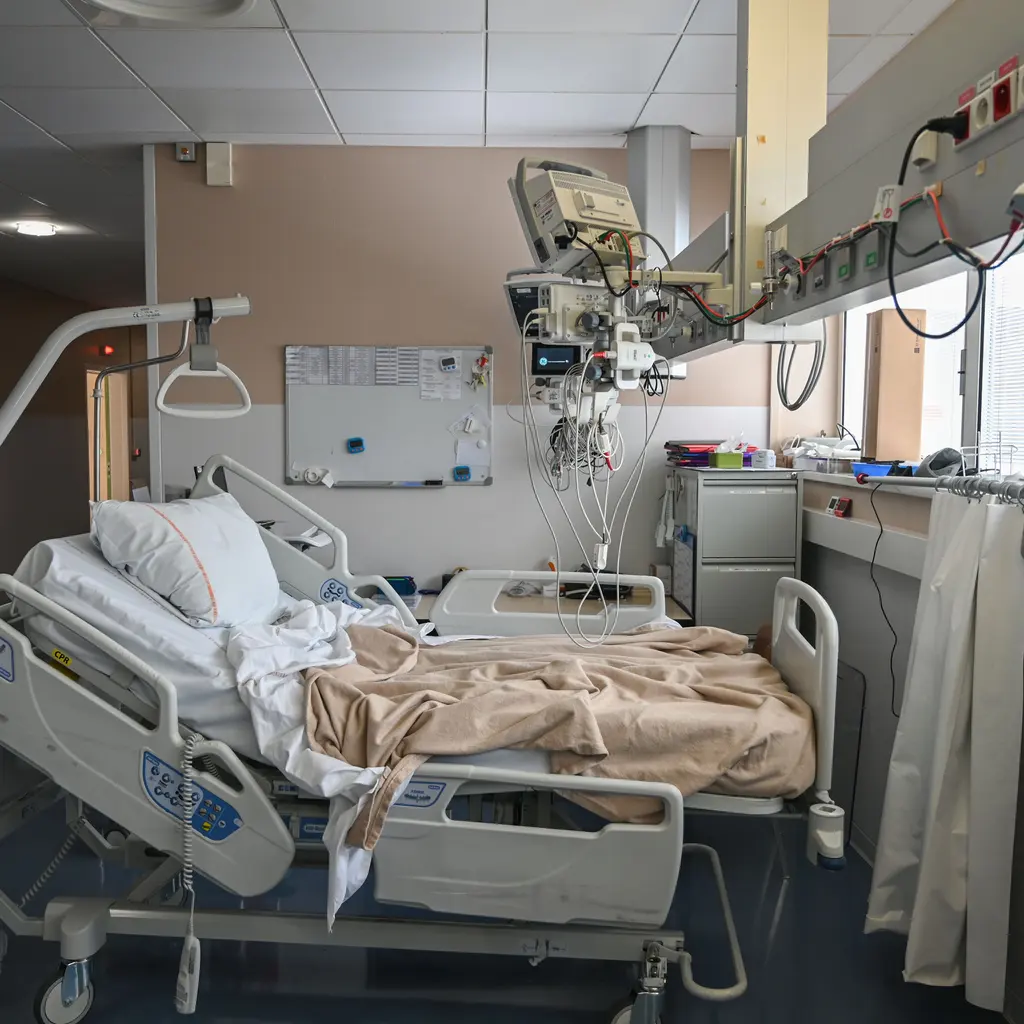
You coordinate inpatient care and the surgical, emergency or other services your hospital actually provides. Employed, privileged and outside clinicians may share care duties, while power, imaging and sterilization support several units. An adverse outcome, staff injury and system outage create different claims.
The Southern Agency can review your departments, imaging suites, and life-safety systems to help select insurance for your campus. For example, we can coordinate professional liability for clinical errors with property coverage for critical HVAC and sterilizer infrastructure.
Surgery, emergency, obstetrics, and inpatient units each generate professional liability exposure from diagnostic, treatment, and procedural errors.
A loss of power, sterilization, imaging, or HVAC capacity can endanger patients in ICU and surgery and force diversion or shutdown.
Electronic records, connected medical devices, and billing systems hold PHI that, if compromised, may create notification and liability duties depending on the incident and applicable rules.
Falls and high foot traffic create premises concerns; medication handling and patient assistance may instead involve clinical duties and different liability terms.
Nurses and aides face lifting, needlestick, and exposure hazards, while a large staff raises workers' compensation frequency.
A large clinical workforce raises wrongful-termination, harassment, and credentialing-related claim potential.
Fire, storm, or flooding in a multi-wing facility can halt admissions and surgeries, interrupting essential revenue and service.
Policies to ask about. Which ones fit depends on your operations, your contracts, and the carrier’s forms.
These hypothetical examples are not agency claim results. Whether a loss is covered depends on the facts, policy terms, and applicable exclusions.
A patient alleges harm following a surgical procedure and pursues a malpractice claim. Professional liability coverage may respond to defense and indemnity, depending on policy terms and the facts of the case. Identify insured surgeon/hospital and alleged care duty; outcome alone does not establish negligence or payment.
Ransomware encrypts electronic health records and exposes patient data. A cyber policy may respond to forensic, notification, and liability costs, subject to the specific policy, endorsements, and exclusions. Separate covered data response, restoration, and interruption; system outage, ransom demand, and penalties have distinct conditions.
A backup generator fails during an outage, threatening ICU equipment. Equipment breakdown and property coverage may help with repair and resulting losses, depending on policy terms. Check covered generator event versus utility/storm cause and purchased income/extra expense; safety disruption alone is insufficient.
Start with the work you do and the questions your current policies leave unanswered. Carrier options depend on your location, risk, and underwriting. Explore our approach.
Hospitals commonly carry professional liability, property, cyber, equipment breakdown, workers' compensation, and general liability coverage. The right structure depends on service lines and volume, subject to underwriting.
Professional liability may respond to claims arising from care across departments. Programs are often structured with significant limits given surgical and emergency exposure, depending on policy terms.
Generators, sterilizers, and imaging equipment are essential to patient care. Equipment breakdown coverage may help restore failed systems and limit downtime, subject to policy terms.
Hospitals store large volumes of protected health information. Cyber coverage may help with breach response and liability if systems are compromised, depending on the specific policy.
Business income coverage may respond when a covered loss interrupts admissions or surgery, helping with lost revenue. Coverage depends on the specific policy and exclusions.
Yes. General liability commonly responds to visitor and non-clinical injuries, while professional liability addresses care-related claims. Coverage depends on policy terms and underwriting.
Bring your questions, current policies, and relevant contracts. An agent can review coverage terms, exclusions, and the information carriers ask for, then explain the options available to you.