

Outdoor activities
Trails, bicycles, and playgrounds can lead to visitor injury allegations.
Try a different word, or check the spelling.
Your cabins and restrooms may be on a property schedule while RV hookups, sewer services, and recreation need separate attention. Protection should fit the sites and activities you offer, not assume a building policy includes every outdoor use.
Map cabins and utility improvements alongside swimming, campfires and fuel or sewer duties, using actual seasonal revenue.
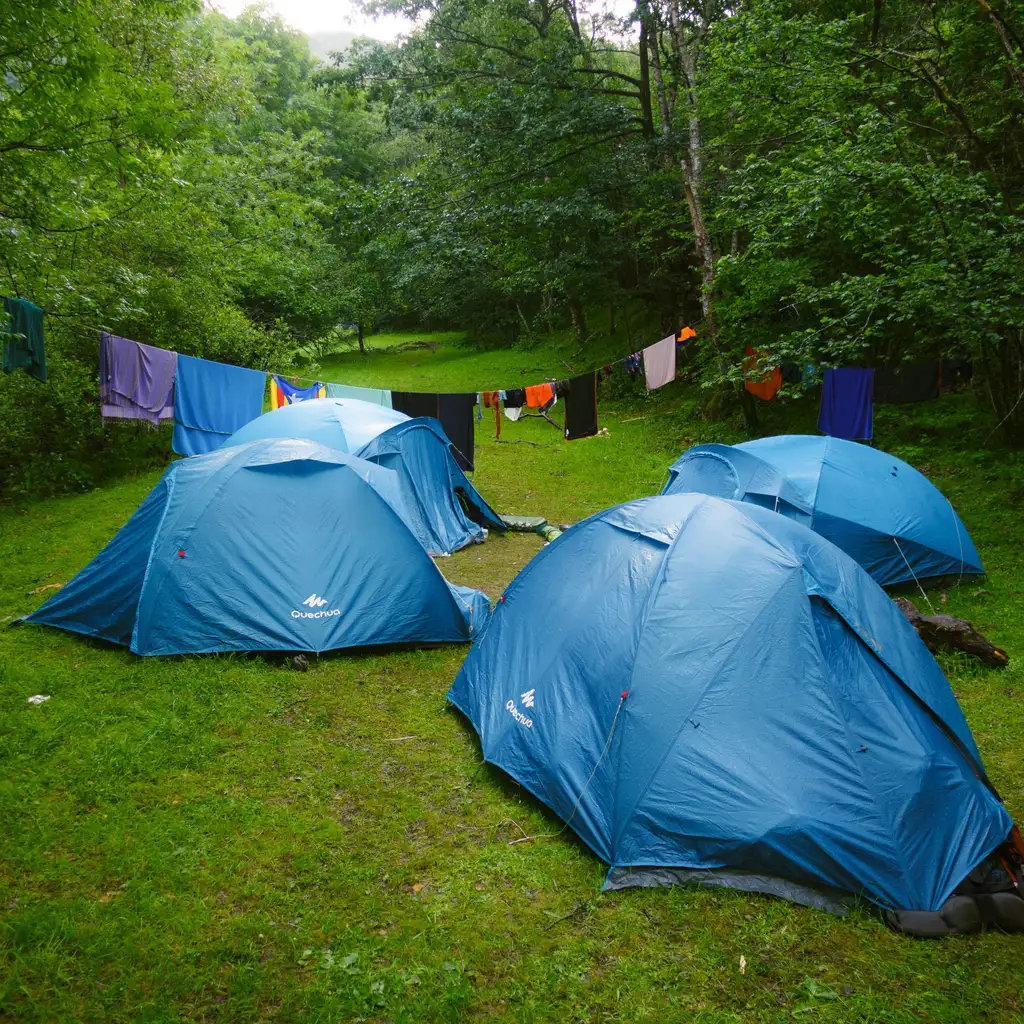
Your campground hosts people across tent sites, cabins, and sometimes RV pads. Visitors may use trails, swim or build campfires, while you maintain shared buildings and utility connections.
The Southern Agency can review your specific activities and locations to help you select appropriate insurance. We can discuss how building coverage differs from swimming liability or coverage for lost bookings during storm repairs.
Trails, bicycles, and playgrounds can lead to visitor injury allegations.
Swimming areas and campfires introduce distinct severe-injury risks.
Falling trees, wildfire, flood, and storms can affect multiple sites.
RV connections, sewer services, and any fuel sales add operational risks.
Grounds staff use equipment and maintain dispersed sites.
Policies to ask about. Which ones fit depends on your operations, your contracts, and the carrier’s forms.
These hypothetical examples are not agency claim results. Whether a loss is covered depends on the facts, policy terms, and applicable exclusions.
Suppose a child is injured in a swimming area and inadequate supervision is alleged. Review the included aquatic activity, actual operator duties and any waterfront or supervision restrictions. A signed guest rule or excess policy does not remove an underlying swimming exclusion.
Suppose a campfire spreads to a cabin and nearby guest property. Property terms may address covered damage to an insured structure; liability to others depends on the allegations and accepted activities. Guest belongings, cleanup and the operator's cabin do not share an automatic grant.
Suppose storm damage closes the store and several sites during peak season. Check the actual cause and insured buildings or utility improvements, then purchased income and restoration terms. Flood is a separate peril question, and seasonal demand alone does not establish an insured cancellation loss.
Start with the work you do and the questions your current policies leave unanswered. Carrier options depend on your location, risk, and underwriting. Explore our approach.
Visitor injuries and outdoor activities require liability review apart from buildings.
Recreation is covered only within the policy's included activities and exclusions.
Fuel and sewer conditions need their own pollutant and location review.
Seasonality affects revenue at risk; income still needs a covered trigger.
Wildfire, wind, and flood can have different underwriting and deductible terms.
Seasonal workers' duties and status determine compensation treatment.
Bring your questions, current policies, and relevant contracts. An agent can review coverage terms, exclusions, and the information carriers ask for, then explain the options available to you.