

Changing crowds
Seating, stages, and exits serve different layouts between events.
Try a different word, or check the spelling.
The hours between events bring your crew rigging, cabling, and teardown work even when attendees are gone. Injury and venue liability protection need to fit that changeover, with vendor and bar duties identified rather than assumed.
Talk with The Southern Agency about your operation, policy terms, and the information carriers need.
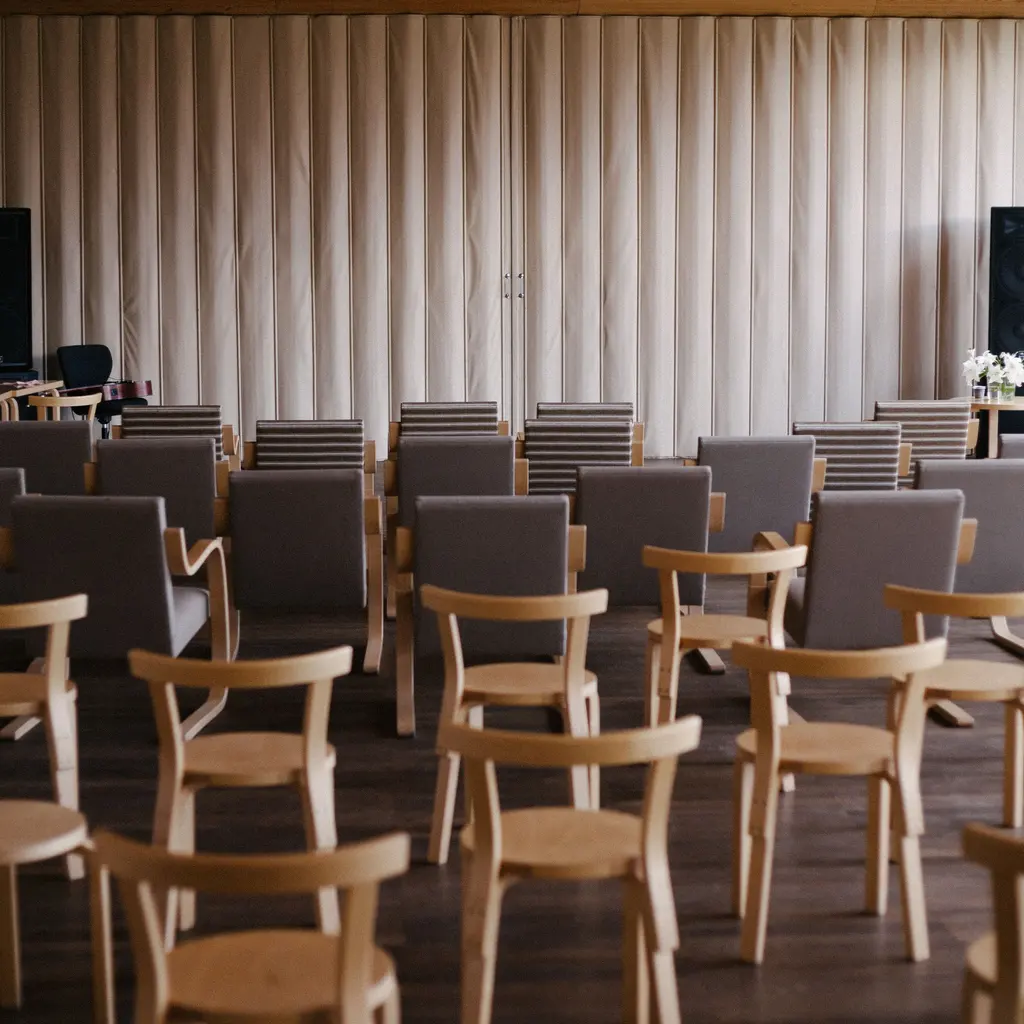
Your event center changes layouts for conferences, concerts, and receptions. Temporary staging and cables can create injury claims during an event, while your crew faces different exposures during a changeover.
The Southern Agency can review your booking range and setup procedures to help you select appropriate insurance. We can discuss how liability, property and lost income coverage may have different triggers for your events.
Seating, stages, and exits serve different layouts between events.
Rigging, cabling, and rapid teardown can harm crews or guests.
AV, food, and decorating contractors can cause claims.
The venue may face allegations even where another party pours.
Hall damage or system failure can affect scheduled programs.
Policies to ask about. Which ones fit depends on your operations, your contracts, and the carrier’s forms.
These hypothetical examples are not agency claim results. Whether a loss is covered depends on the facts, policy terms, and applicable exclusions.
A visitor trips over a cable run by an outside production crew and sues the center. GL may help defend a covered premises/operations claim. Compare actual setup duties and insured parties; the vendor's certificate alone does not make its liability policy cover the center.
The sound system fails during a concert, the program is cut short and an organizer seeks a refund. Breakdown repair requires a qualifying cause and insured gear. Any venue income loss or extra expense has its own triggers and limits; changing a program does not by itself insure a refund.
Storm damage makes the hall unusable before booked programs. Property may pay covered building damage; an applicable income/extra-expense part may address defined venue losses during restoration. Check the insured interest, period and waiting conditions, separately from each client's relocation and cancellation promises.
Start with the work you do and the questions your current policies leave unanswered. Carrier options depend on your location, risk, and underwriting. Explore our approach.
Start with the hall and equipment, actual event activities, alcohol responsibilities and employed crews. Compare property, premises, liquor, breakdown, worker and any excess terms against those interests. No generic venue package establishes payment for every canceled booking or vendor obligation.
Vendor insurance may help with vendor duties, but does not automatically include the center.
Compare liquor roles and exclusions even where the caterer serves.
Income may follow a qualifying property loss; cancellation alone does not establish a claim.
Property and breakdown treat different causes and equipment interests.
Review attendance, property values, and actual contractual limits without assuming a universal venue minimum.
Bring your questions, current policies, and relevant contracts. An agent can review coverage terms, exclusions, and the information carriers ask for, then explain the options available to you.