

Food service
Batch preparation and hot holding can lead to illness allegations.
Try a different word, or check the spelling.
Your event deposit and the food prepared for a function can involve different costs when plans change. Property, spoilage, and income terms need defined triggers; they should not be mistaken for a promise to settle every booking dispute.
Bring kitchen and stock values, bar responsibilities and the meal or refund commitments in your booking agreements.
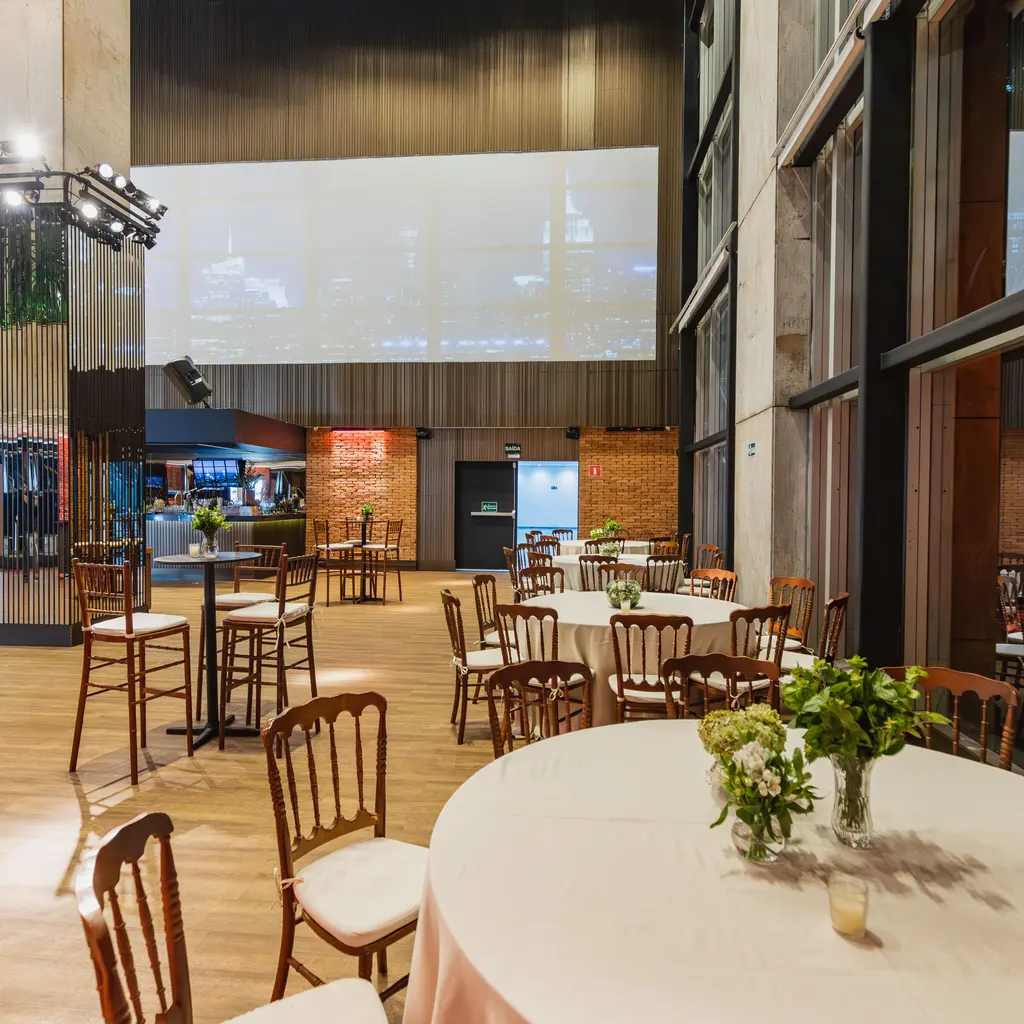
You host scheduled gatherings and, if you operate a kitchen, prepare meals for guests arriving together. A cooler failure can spoil food before an event, while a guest's fall or an illness allegation can leave you facing a claim.
The Southern Agency can review your kitchen, guest areas, and event arrangements to help you choose insurance. We can discuss premises and food liability alongside any available equipment and spoilage benefits, with your actual services shaping the selection.
Batch preparation and hot holding can lead to illness allegations.
Grease and commercial appliances can damage kitchens and the hall.
A failed cooler can affect prepared stock and service.
Buffet spills, dancing, and bars create separate injury interests.
Cooks and servers face burns, cuts, and lifting injuries.
Policies to ask about. Which ones fit depends on your operations, your contracts, and the carrier’s forms.
These hypothetical examples are not agency claim results. Whether a loss is covered depends on the facts, policy terms, and applicable exclusions.
Suppose guests allege that an event meal caused illness. Identify the kitchen or caterer responsible for preparation and service and the actual food-liability grant. A covered injury allegation differs from voluntarily replacing meals, withdrawing food or refunding the function.
Suppose a cooking-line fire damages appliances and closes the kitchen. Property terms may address covered damage to insured interests, while purchased income or extra expense has its own restoration provisions. Review actual repair time and service alternatives rather than treating every booking commitment as insured loss.
Suppose an internal cooler failure spoils prepared food overnight. Review the actual equipment breakdown and any purchased spoilage benefit, including stock values and applicable limits. Machinery repair, lost food and refunding the next day's banquet are separate costs.
Start with the work you do and the questions your current policies leave unanswered. Carrier options depend on your location, risk, and underwriting. Explore our approach.
An in-house kitchen adds cooking and food interests; actual operations matter more than the venue name.
Food-illness allegations may fit liability, but recall or replacement meals are separate expenses.
Breakdown repairs and spoiled stock require the relevant purchased provisions.
Review the hall's role and applicable liquor form rather than assuming a universal legal requirement.
Income requires a covered event and restoration period; ordinary cancellation does not establish a claim.
Employee benefits depend on worker status and applicable compensation rules.
Bring your questions, current policies, and relevant contracts. An agent can review coverage terms, exclusions, and the information carriers ask for, then explain the options available to you.