

Guests and layouts
Crowds and changing dance or seating areas can lead to injury allegations.
Try a different word, or check the spelling.
The staging or decor you rent for one occasion is not necessarily insured with the furnishings you own. Property, portable-equipment and liability terms need to reflect whose items are in use and what your venue has agreed to do.
Separate owned and hired items, vendor installation duties and refund promises across the events you actually accept.
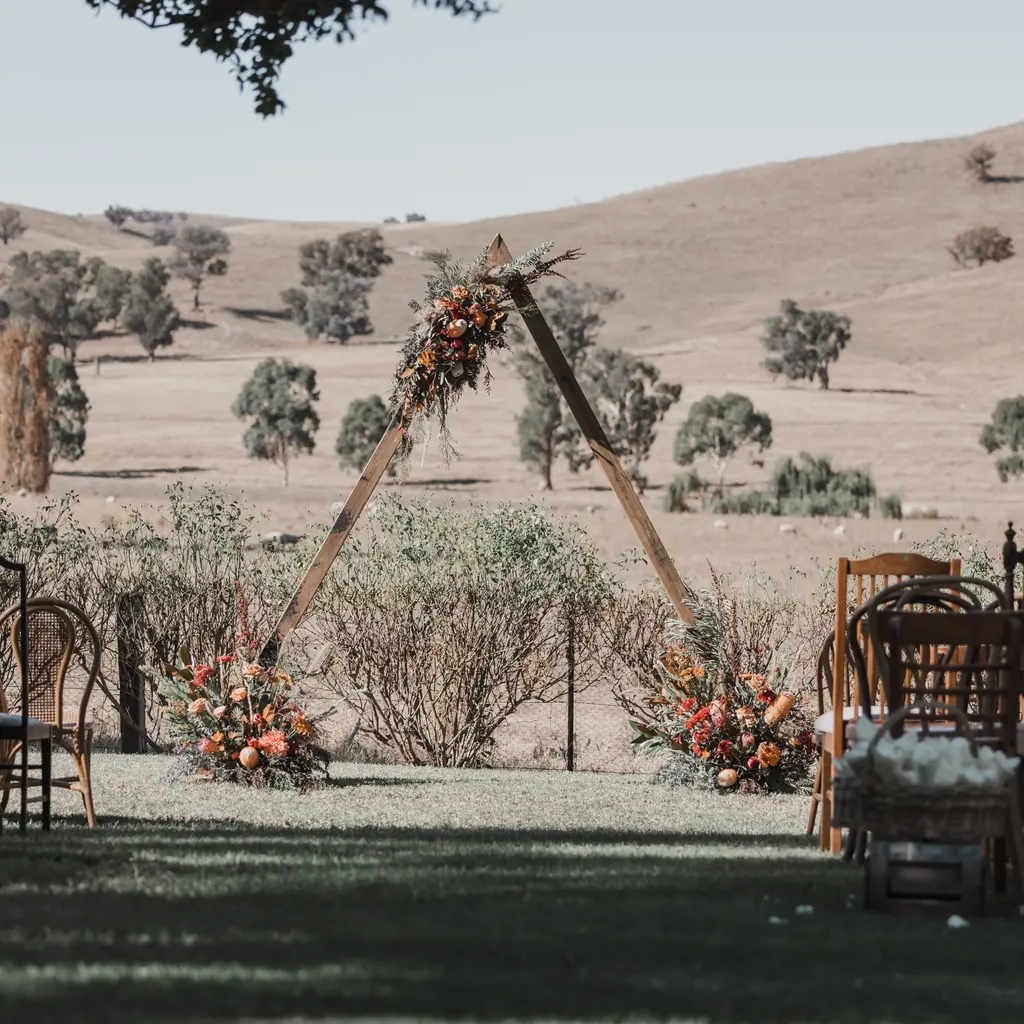
Your event venue hosts various gatherings, from corporate meetings to weddings. Each booking brings different risks, such as a visitor injury during a reception or damage to high-value equipment rented for an occasion.
The Southern Agency can review your venue's typical functions and vendor agreements to help you select appropriate coverage. For example, we can examine how your liability policy handles alcohol service versus how a separate vendor’s policy might apply.
Crowds and changing dance or seating areas can lead to injury allegations.
Venue and vendor service roles can create overlapping claims.
Planners, caterers, and rental crews bring equipment and duties.
Owned fixtures and rented decor may require different protection.
Weather, parking, and kitchen operations depend on the actual site.
Policies to ask about. Which ones fit depends on your operations, your contracts, and the carrier’s forms.
These hypothetical examples are not agency claim results. Whether a loss is covered depends on the facts, policy terms, and applicable exclusions.
Suppose a guest alleges that a temporary reception layout caused a fall. Identify who designed, installed and checked it and the venue's retained duties. Liability may address a covered allegation within accepted activities; a planner's involvement does not automatically include the venue or determine fault.
Suppose both venue and bartender are named in a claim following alcohol service. Compare actual service duties, liquor grants and any applicable additional-insured endorsement. A vendor certificate or promise to indemnify the venue is not proof that every venue allegation is included.
Suppose storm damage makes the building unavailable and a wedding relocates. Covered repair and purchased income terms may address eligible property and earnings loss during restoration. The client's relocation bill, your refund promise and weather-only cancellation costs do not automatically follow from those benefits.
Start with the work you do and the questions your current policies leave unanswered. Carrier options depend on your location, risk, and underwriting. Explore our approach.
Review the venue's own liquor exposure even where a third party serves.
Vendor certificates document insurance; actual endorsements and duties determine protection.
Weather-only cancellation needs separate wording from ordinary property and income cover.
Crowd limits should reflect the actual event range and underlying exclusions.
Rented equipment needs accepted property interests, values, and transit terms.
Client event cover may address some organizer duties but does not replace venue premises protection.
Bring your questions, current policies, and relevant contracts. An agent can review coverage terms, exclusions, and the information carriers ask for, then explain the options available to you.