

Grinding wheel burst failure
A bonding flaw or crack can cause a wheel or disc to shatter at high speed, sending fragments that injure the operator.
Try a different word, or check the spelling.
The mineral grain in your abrasive is not the same material as its resin binder or finishing residue. Plant and environmental protection need to fit the actual mixture and process, alongside liability for how the finished wheel performs.
The Southern Agency helps you evaluate product liability, factory property, and operational breakdown protections for your abrasive manufacturing.
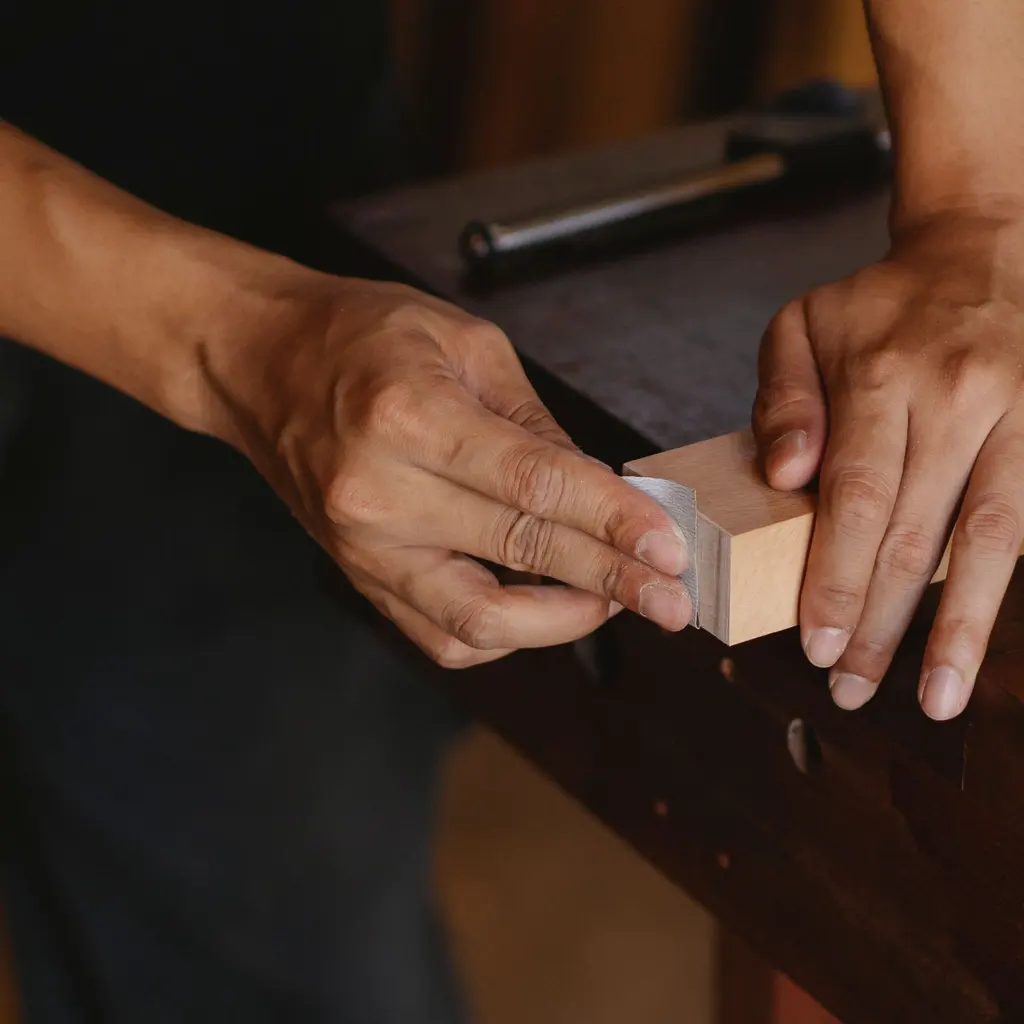
Your factory produces grinding wheels and abrasive products by combining mineral grains with binders, which are then cured and finished. Defects in your products or operational fires in your curing ovens can pose serious hazards to operators and your business.
The Southern Agency can review your production processes and plant safety to help you select appropriate insurance. For example, we can help assess whether your property policy covers your specific curing equipment and if your product liability includes the abrasives you manufacture.
A bonding flaw or crack can cause a wheel or disc to shatter at high speed, sending fragments that injure the operator.
Dust from the grain, resins, binders, and finishing residues needs assessment and appropriate testing and controls. Whether it can ignite depends on the materials and process; mineral abrasive dust is not uniformly combustible.
Ovens, presses, and grinding machinery are essential, and a sudden mechanical or electrical failure can stop production.
Resins, bonding agents, and solvents used in production create fume, spill, and pollution exposure.
Employees handling heavy materials, presses, and abrasive dust face respiratory, crush, and laceration injuries.
Fire or storm damage to the plant, mineral stock, or finished abrasives can interrupt supply to industrial customers.
Policies to ask about. Which ones fit depends on your operations, your contracts, and the carrier’s forms.
These hypothetical examples are not agency claim results. Whether a loss is covered depends on the facts, policy terms, and applicable exclusions.
A grinding wheel shatters during use and fragments injure the operator. Product liability may help with defense and damages, subject to policy terms and the facts. Review whether the wheel and end use are included, the injury alleged, and the manufacturer's and vendor's roles. The product, own-product, and recall provisions still need separate attention.
Accumulated abrasive dust ignites and damages production equipment. Property coverage may help with repair if the material and cause of the fire fall within the policy and the damaged equipment is insured. Resulting lost income depends on the income coverage and restoration terms purchased. Identifying what burned matters because mineral grain is not uniformly combustible.
A curing oven fails mid-cycle and a batch is scrapped while the line is down. Equipment breakdown may help with repair and lost income if a covered internal failure caused the loss. A process upset needs separate review, as do the value of the scrapped batch and any purchased income or extra-expense coverage. Neither the whole batch nor canceled orders are promised reimbursement.
Start with the work you do and the questions your current policies leave unanswered. Carrier options depend on your location, risk, and underwriting. Explore our approach.
Grinding wheels and discs spin at high speed and can burst if defective, causing serious injury. Product coverage may help respond, subject to underwriting and the specific policy terms.
It depends on the grain, resins, binders, and finishing dust in your process. Obtain an appropriate hazard assessment and testing, then review dust controls, fire safeguards, and covered causes and conditions with your agent. Mineral grain alone does not tell you whether the dust can burn.
It may, if the internal failure of an oven, press or grinder is covered. Review batch valuation and any purchased income and extra-expense protection, including waiting and restoration periods. Wear, servicing, an out-of-spec batch or a stopped line alone is not enough to show a covered loss.
If the plant uses resins, solvents, and generates dust, environmental liability may help with pollution exposure, depending on operations and the specific policy.
Bring the supply agreement, requested limits, indemnities, and any requirement to insure a vendor or name an additional insured. Compare those terms with the goods and uses covered and the endorsements issued. Contracts and certificates do not amend the policy, and matching coverage may not be available. Warranty performance and withdrawal expenses need their own review.
Underwriters weigh product mix, dust controls, chemicals, equipment, sales, and payroll. Not every manufacturer needs the same policies, so pricing reflects the operation.
Bring your questions, current policies, and relevant contracts. An agent can review coverage terms, exclusions, and the information carriers ask for, then explain the options available to you.