Skip to content

Tile And Terra Cotta Producer Insurance

Your roof or facade piece has an intended fixing method as well as a strength or frost specification. Product protection should identify design and installation responsibilities, with rejected batches and the builder's delay demands kept separate from resulting harm.

The Southern Agency can help you tailor your insurance to the specific production and safety needs of your tile manufacturing operation.

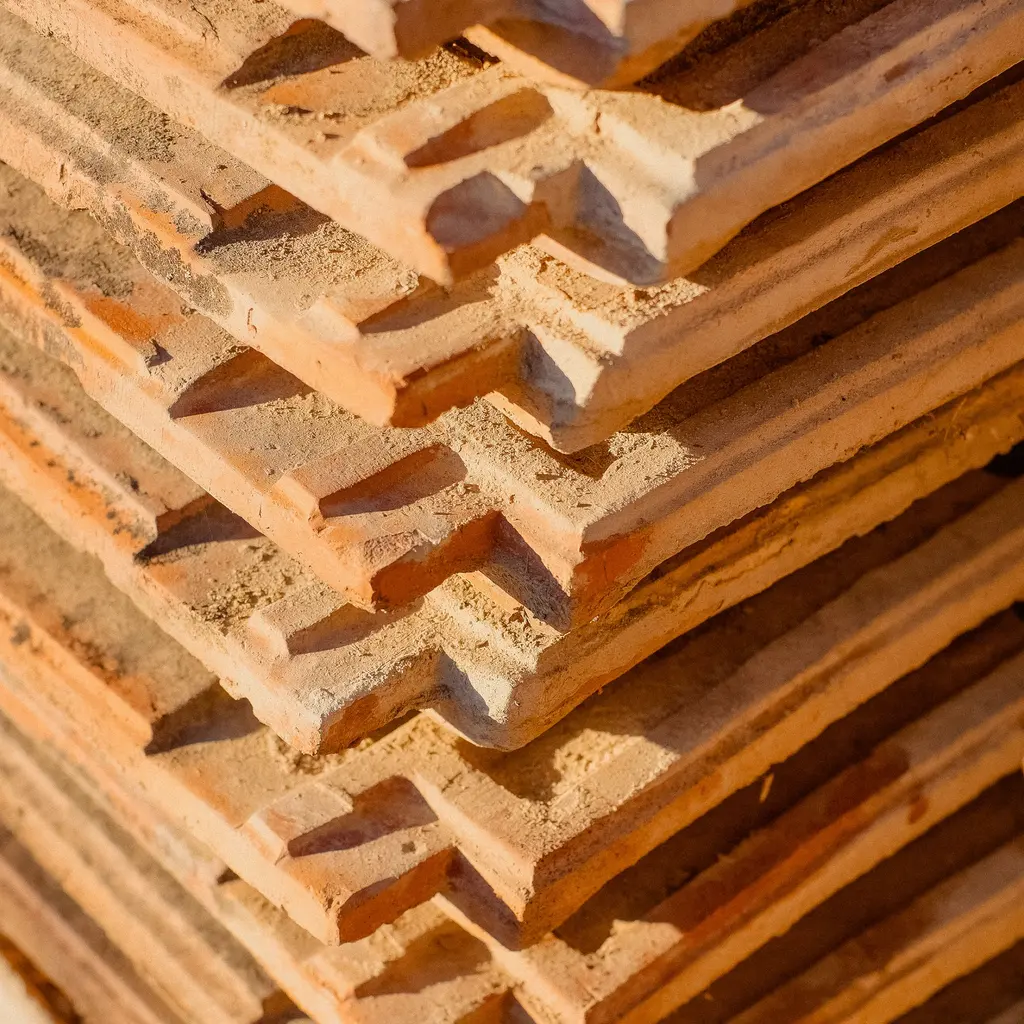
Terracotta roof tiles stacked with their molded underside ridges and clay edges visible.

Industry overview

You produce tile and architectural pieces by preparing clay and firing it in kilns. Because your pieces may be used in structural or exterior applications, potential failures in strength or frost-resistance can lead to property damage or injury claims.

The Southern Agency can help you evaluate your production and material-handling risks to choose the right insurance. We can help you differentiate between an insured kiln fire and the business interruption costs that follow, as well as addressing the specific chemical and silica risks present in your shop.

Risks worth discussing

Kiln and dryer fires

Firing and drying systems expose the kiln, nearby lines, stock, and building to heat and fire. Identify gas systems, controls, and the batch or continuous firing arrangement; heat damage during normal processing differs from a fire spreading outside the equipment.

Structural product failure

A detached roof or facade piece can injure someone or damage other building property. Establish the product, intended use and responsibility for design, fixing and installation before attributing the loss to the manufacturer.

Frost and durability defects

A batch can miss a frost, wear or dimensional specification without causing injury or damage beyond the tile. Rejection, retesting, replacement, and a builder's delay claim need their own financial-loss review.

Silica dust from clay preparation

Milling, grinding and other dust-producing work on silica-containing materials can create serious respiratory exposure. Obtain material and task-specific exposure advice; employee illness and off-site dust complaints need different insurance reviews.

Equipment breakdown of presses and kilns

An internal press, dryer, kiln-drive, or glaze-line failure can damage equipment and interrupt dependent stages. Worn refractory, scheduled servicing, incorrect settings, and rejected fired ware are not the same event.

Glaze chemical and emission exposure

Glaze ingredients, handling, firing, and air controls determine the chemical and release concerns. A neighbor's complaint or regulatory inquiry needs its facts established; neither alone proves an insured pollution condition or cleanup expense.

Situations to think through

These hypothetical examples are not agency claim results. Whether a loss is covered depends on the facts, policy terms, and applicable exclusions.

  1. Hypothetical: Roof tile cracking complaint

    Suppose a builder reports cracked roof tile after a freeze-thaw season and demands replacement. With no injury or other building damage alleged, this remains a quality and replacement dispute, not an established product-liability loss. If manufacturers errors and omissions coverage is offered for this product and allegation, it may address an included customer's financial claim. The maker's own replacement tile and frost-performance guarantee still require explicit terms.

  2. Hypothetical: Tunnel kiln fire

    Suppose a kiln malfunction ignites nearby equipment and damages tile stock, stopping production. Commercial property may help repair covered fire damage and replace insured stock. The internal fault needs separate equipment-breakdown review, while any purchased income or extra-expense protection depends on the insured cause, waiting period, and restoration terms. Routine refractory maintenance and late-delivery penalties require separate consideration.

  3. Hypothetical: Glaze emission complaint

    Suppose a neighbor makes an air-quality claim about kiln emissions and the producer incurs legal defense costs. A regulator also investigates. Environmental liability may address eligible defense expenses if the claim meets the form's pollution-condition and third-party terms, subject to notice, and consent. Cleanup requires an included condition and expense; ordinary emission-control upgrades, regulatory defense, and fines need their own provisions.

Before you talk to an agent

What to have ready

Tick items as you gather them. Nothing here is saved or sent.

Questions to raise

  • Value kilns, dryers, presses, glaze lines, and stock by owner. Include unfired ware and customer goods, repair access and reinstatement costs rather than treating the kiln's purchase price as the whole property value.
  • Separate floor and wall uses from roof and facade applications. Bring frost, wear and structural representations and clarify who designs attachments or installs pieces; quality rejection, damage to other property and replacing your product are different claims.
  • Identify the damaged kiln drive, control or press and the cause. Compare covered internal failure with refractory wear, scheduled work, and process defects before estimating repair or income recovery.
  • Describe actual clay and glaze ingredients, silica-producing tasks, emissions, and site history. Review worker benefits and third-party pollution terms separately from exposure controls, permits, and ordinary operating costs.
  • Estimate repair, replacement, firing, and restart time and available production alternatives. Compare that estimate with purchased income and extra-expense limits, waiting periods, and restoration provisions; an extended firing cycle does not insure every stoppage.

Contract terms to check

  • Allocate clay and glaze supply, formulation, firing, testing, structural or fixing design, installation, and stock ownership. Review installed-product allegations against the declared duties; supplying a facade piece does not establish that the manufacturer designed the attachment or performed installation.
  • Compare frost, wear and dimensional promises with injury or other-property damage requirements, own-product, own-work and impaired-property provisions. Removal, replacement, retesting, lost use, and delay demands need individual review. Product liability does not automatically fund a performance warranty or withdrawal.
  • Declare any separately sold specification or design advice and review professional-services exclusions. If manufacturers errors and omissions or professional coverage is offered, check defined products or services, financial-loss scope, and guarantee and correction restrictions. Review prior acts and reporting if the proposed form is claims-made; neither a product nor professional label settles the entire claim.
  • Compare distributor or builder limits, additional-insured requests, indemnities, and any recall or contamination promises with actual endorsements. Review financed-equipment interests, primary and excess limits separately. A certificate or contractual promise cannot add missing protection.
  • Have qualified advisers establish applicable dust, air, and worker-exposure duties. Permits and controls do not certify an insured release or guarantee favorable terms. Distinguish pollution-condition cleanup and third-party claims from routine operation, compliance upgrades, regulatory proceedings, and penalties.

What the agent conversation looks like

Start with the work you do and the questions your current policies leave unanswered. Carrier options depend on your location, risk, and underwriting. Explore our approach.

  1. ListenReview your operations, current coverage, and past claims.
  2. AssessIdentify potential hazards and discuss ways to reduce risk.
  3. BuildDiscuss policy and carrier options, premium costs, and audits.
  4. SupportReview changes and help you plan ahead as your needs develop.

Questions owners ask

Why does a tile producer need product liability coverage?

An installed roof or facade piece can injure someone or damage other property if it fails. Product liability may address an eligible claim, including allegations made after sale, under the policy's trigger and other terms. Cracked tile, a failed frost test, removing your own pieces and honoring a warranty require separate review; time since sale alone does not establish coverage.

How does equipment breakdown help a tile plant?

It may help repair insured internal damage to a kiln drive, press, dryer, or control. Check refractory, wear, and process restrictions, then stock, income, and extra-expense extensions purchased. Repair, firing and restart time must be assessed against waiting and restoration terms. A firing defect or halted line alone does not establish payment.

Is environmental coverage relevant for kiln emissions?

Dust or glaze-related emissions can lead to third-party injury or property claims. Describe the substances, process, site history and alleged release and review the pollution conditions, cleanup and third-party terms included. General liability pollution restrictions, worker illness, routine air-control costs, regulatory defense, and fines are separate questions.

Does property insurance cover a kiln fire?

Commercial property may help with insured fire damage to kilns, nearby equipment, and covered tile stock. Identify the fire cause, owner, location, valuation, and deductible. An internal fault, worn refractory, normal firing cracks and purchased income protection need their relevant terms checked rather than one assumption that all kiln costs are covered.

What about silica dust for plant workers?

Dust-producing work with silica-containing clay or other materials can expose workers to serious respiratory disease. Obtain qualified material, task and exposure assessments and review applicable worker-benefit rules and actual duties. Insurance does not replace exposure controls or establish that every illness, compliance expense, or off-site dust claim is covered.

What affects tile and terra cotta insurance pricing?

Provide kiln type, capacity and firing cycles, equipment and peak stock values, product uses and exterior applications. Include output and markets, dust and emission controls, staffing, payroll, safety programs and prior fire, product and breakdown claims. Pricing and availability depend on the individual operation and underwriting; a control record or buyer requirement is not a guarantee of terms.

Talk through your tile and terra cotta producer coverage

Bring your questions, current policies, and relevant contracts. An agent can review coverage terms, exclusions, and the information carriers ask for, then explain the options available to you.

How can we help you get started?

Choose the quote that fits, and we’ll take it from there.

Have a question? Contact us