Skip to content

Stone Cutting And Shaping Yard Insurance

Your slab can crack during a lift or be rejected for a wrong dimension, and those are not the same loss. Stock, handling and installation terms should identify the owner and cause, alongside protection for the tools and people doing the work.

The Southern Agency can help you distinguish between stone breakage, site liability, and worker protection needs.

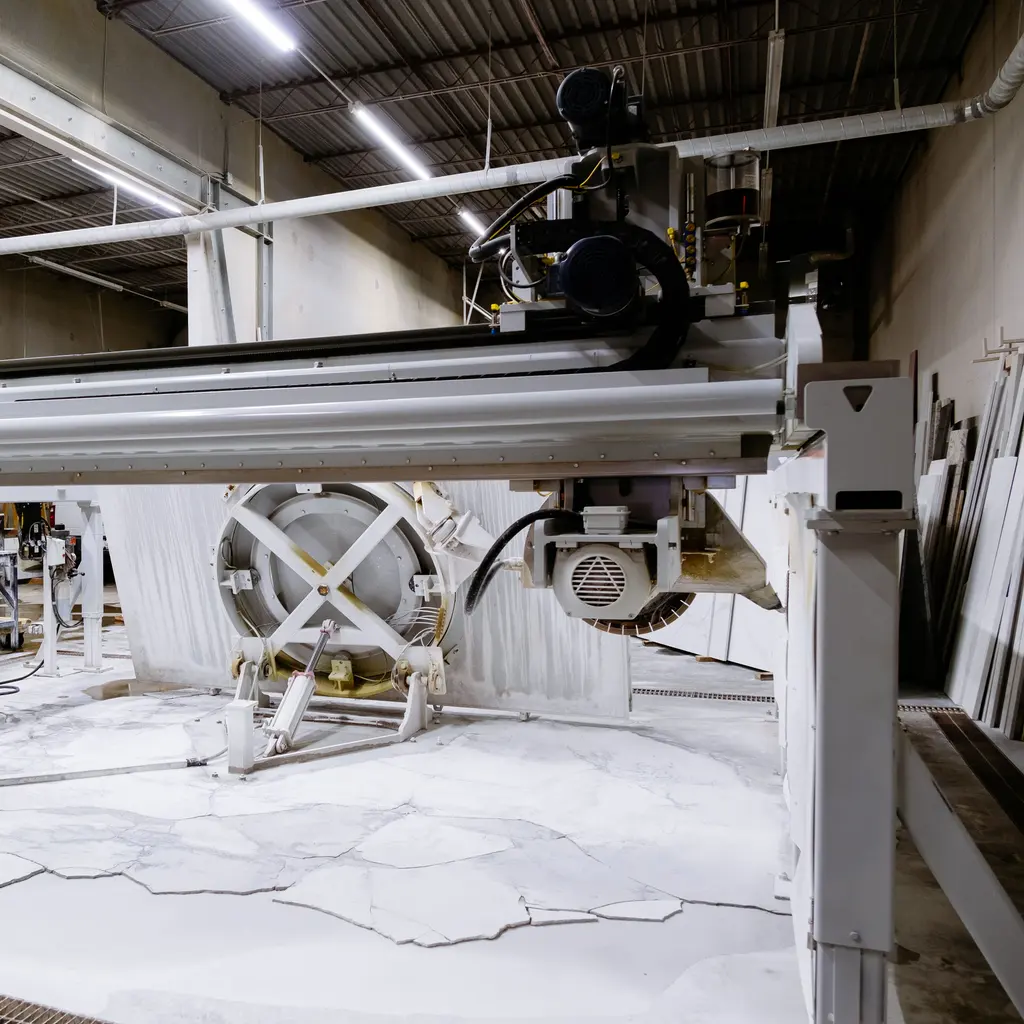
A bridge saw spans a stone-cutting table in a slab fabrication shop.

Industry overview

Your yard uses heavy equipment to cut, profile, and polish stone for architectural pieces or countertops. Handling large slabs can lead to breakage, while dust from grinding can pose risks to your shop or installation crews.

The Southern Agency can review your fabrication, delivery, and installation processes to help you select appropriate insurance. We can discuss, for example, how coverage for a machine breakdown on your bridge saw differs from liability for property damage at a customer’s installation site.

Risks worth discussing

Silica dust exposure

Cutting, grinding and polishing silica-containing stone can expose shop and site workers to harmful respirable dust. Material composition, task and controls matter; neither the stone’s marketing name nor the use of water settles exposure.

Slab breakage and material damage

A slab can crack during lifting, cutting, transport, or fitting. Establish who owns it and what caused the loss; an accidentally broken insured slab, a wrong dimension, and a warranty replacement need different terms.

Heavy slab handling injuries

Forklifts, A-frame racks and overhead handling move heavy slabs near workers and other people. Falling slabs, pinch points and manual handling can cause serious injury, separate from damage to the stone.

On-site installation damage

Templating and setting a top can damage cabinets, flooring, or fixtures. The particular property being worked on and any custody interest affect the claim; correcting the yard’s own installation is a different expense.

Equipment breakdown of saws and CNC

An internal saw, CNC or water-jet pump fault can interrupt fabrication. Machine damage, ruined stone, normal wear, tool servicing and missed customer appointments should not be treated as one insured loss.

Tools and equipment off premises

Templating tools, polishers and seaming gear travel to projects and may remain in vehicles or on site. Identify the gear and owner, where it is stored and the theft or damage conditions that apply.

Situations to think through

These hypothetical examples are not agency claim results. Whether a loss is covered depends on the facts, policy terms, and applicable exclusions.

  1. Hypothetical: Slab dropped during install

    A countertop slips during installation and damages the customer’s cabinets. General liability may address eligible cabinet damage, with the declared installation work and property-being-worked-on or custody exclusions checked. Replacing the countertop or redoing the yard’s installation is a separate cost, not an assumed part of the cabinet payment.

  2. Hypothetical: Bridge saw breakdown

    The main bridge saw fails and several countertop orders stop while it is repaired. Equipment breakdown may address eligible repair if an insured internal event caused the damage. Income or extra expense depends on the extensions, waiting period, and restoration terms purchased; ordinary servicing and missed installation commitments are different expenses.

  3. Hypothetical: Tools stolen from a job site

    Polishers and templating gear are stolen from a truck left overnight at a project. Inland marine or tools coverage may address the theft if the gear and circumstances are insured. Valuation, limits, and any security or unattended-vehicle conditions apply; vehicle damage cover is different from protection for the tools inside.

Before you talk to an agent

What to have ready

Tick items as you gather them. Nothing here is saved or sent.

Questions to raise

  • Trace slab ownership and peak values at the yard, during cutting, on the delivery vehicle and at the installation site. Ask how each form treats handling breakage, processing damage, and the finished piece.
  • Describe templating, cutting, installation, and any subcontracted work, then compare ongoing-work and completed-operations terms. Distinguish damaged cabinets or flooring from replacing the yard’s own top or correcting its fit.
  • Provide material information and shop and site exposure assessments, including actual wet methods and dust controls. Safety compliance, worker-benefit eligibility and liability restrictions are separate from a promise of favorable insurance terms.
  • List templating tools, polishers, seaming equipment, and other mobile gear by owner and value, including storage in unattended vehicles and overnight jobsite conditions.
  • Estimate saw, CNC, and pump repair and restart time, then compare insured internal failures with any purchased stock, income and extra-expense terms. A stalled order is not the same as an insured production loss.

Contract terms to check

  • Allocate measurements, template approval, stone ownership, delivery, unloading, and installation. Preserve approval and change records; a wrong cut, refund or replacement promise differs from liability for damage to cabinets or flooring.
  • Compare installation and completed-work scope, limits, additional-insured requests, and indemnities with actual policies and endorsements. Check property being worked on, custody and own-work terms; a certificate does not expand them.
  • Agree who insures slabs and tools during processing, shipment, staging, and acceptance. Check any project-property arrangements and end dates rather than assume the customer’s construction insurance covers your pieces.
  • Identify responsibility for dust-producing work and controls at the yard and site with qualified advisers. Insurance does not replace exposure assessment or fund every compliance improvement, and a buyer’s withdrawal or correction demand needs its own expense terms.

What the agent conversation looks like

Start with the work you do and the questions your current policies leave unanswered. Carrier options depend on your location, risk, and underwriting. Explore our approach.

  1. ListenReview your operations, current coverage, and past claims.
  2. AssessIdentify potential hazards and discuss ways to reduce risk.
  3. BuildDiscuss policy and carrier options, premium costs, and audits.
  4. SupportReview changes and help you plan ahead as your needs develop.

Questions owners ask

Why is silica exposure a focus for stone yard insurance?

Sawing, grinding and polishing silica-containing stone can expose workers at the shop and installation site to respirable dust and serious disease. Composition and tasks vary; water-fed equipment alone is not proof of adequate control. Bring qualified exposure assessments and material information, then review state worker-benefit eligibility and any liability exclusions separately.

Does insurance cover slabs damaged in transit?

An appropriate cargo or inland marine form may address eligible slab damage during insured trips and handling. Identify the owner, values, carrier and loading and unloading responsibilities, along with off-site staging and installation. Read breakage, packing, processing, and end conditions; neither a delivery truck nor a named project establishes every slab loss is insured.

What if we damage a customer's home during installation?

A claim for damaged cabinets or flooring may fall within general liability for declared installation work. The part being worked on, custody and policy exclusions still matter. Liability for other-property damage differs from recutting a top, correcting your own installation, refunding a buyer, or fulfilling a warranty.

Are bridge saws and CNC machines covered if they fail?

An insured internal mechanical or electrical event may qualify for eligible repair. Stone damaged by that event and lost production need their applicable extensions, values, and waiting and restoration terms. Wear, cutter replacement, routine servicing or an incorrect cut is not the same as an insured machine failure.

Do we need business auto for slab deliveries?

Describe truck ownership, drivers, delivery radius, and road use, then any loading, unloading and installation duties. Business auto may address covered road liability and purchased vehicle damage. Slabs and portable tools need their own property terms; an outside carrier’s responsibility is also different from direct protection for your goods.

What affects stone yard insurance pricing?

Provide slab and machine values, installation share, silica exposure assessments, water systems, and other controls. Include fleet size and delivery radius, mobile-tool values, headcount, payroll, and safety history, along with prior injury or illness, breakage, and installation claims. Pricing and availability depend on the operation and underwriting.

Talk through your stone cutting and shaping yard coverage

Bring your questions, current policies, and relevant contracts. An agent can review coverage terms, exclusions, and the information carriers ask for, then explain the options available to you.

How can we help you get started?

Choose the quote that fits, and we’ll take it from there.

Have a question? Contact us