

Press and rolling mill breakdown
Extrusion presses and rolling mills are costly and hard to replace, so mechanical or hydraulic failure can idle production for extended periods.
Try a different word, or check the spelling.
Your profile may become part of a vehicle or building, while rejected metal remains a different cost from damage to that finished use. Product terms need to fit the end markets, alongside machinery and any anodizing-release protection.
The Southern Agency can help you review coverage for aluminum rolling and extrusion operations, from equipment breakdown to product liability.
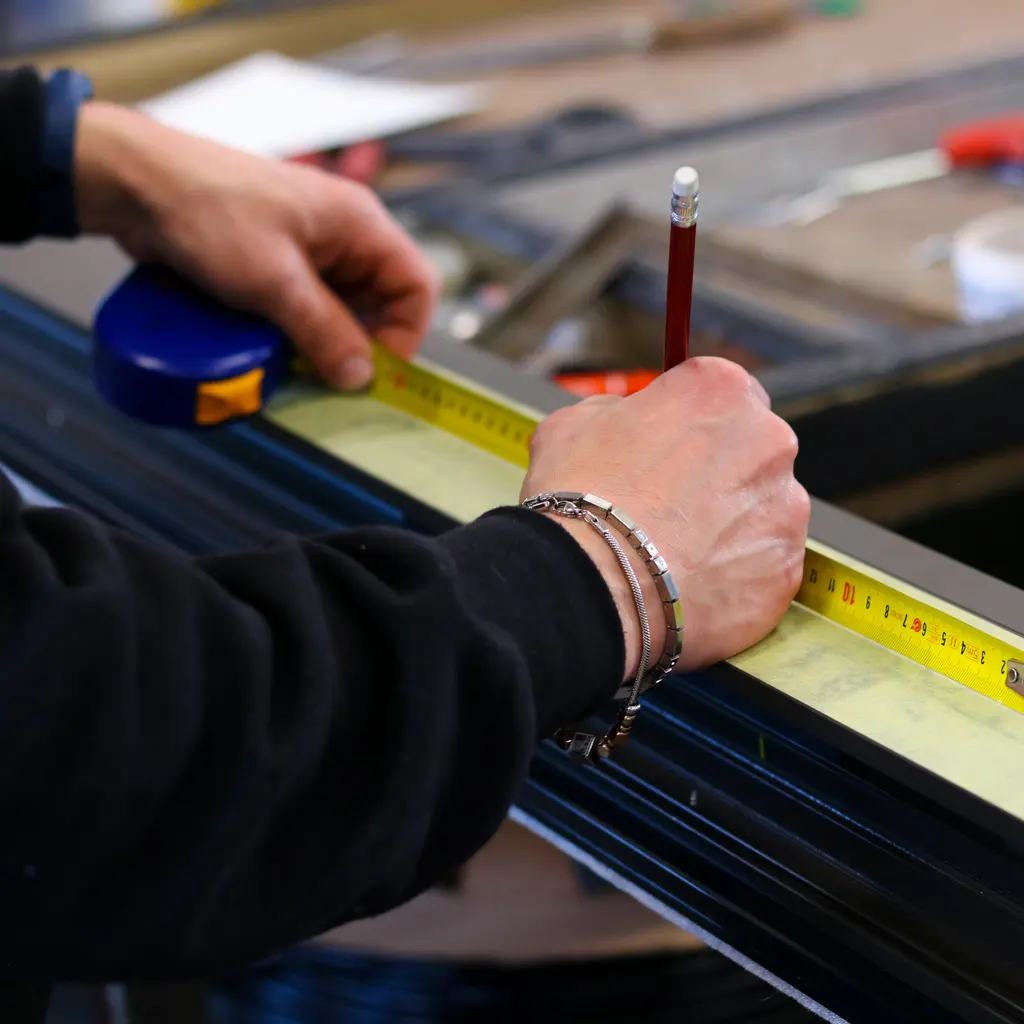
You process metal into sheet, coil, or profiles using heated mills and presses, where a machinery failure can stall production or defective material can damage end-use buildings or vehicles.
The Southern Agency can review your mills, presses and finished-metal uses to help you select insurance. We can discuss machinery repair and production interruptions, product liability for your end markets, and pollution protection if you also anodize or finish the metal.
Extrusion presses and rolling mills are costly and hard to replace, so mechanical or hydraulic failure can idle production for extended periods.
Dimensional or metallurgical defects can fail in structural or automotive uses, exposing the operation to product liability claims.
Preheat and aging furnaces plus high-pressure hydraulic systems create fire and burn exposures across the plant.
Acid and caustic baths used in anodizing pose chemical burn risks and create wastewater handling concerns.
Moving billets, coils, and finished bundles with cranes and forklifts exposes workers to crush and struck-by injuries.
Finishing chemistries and process discharges create environmental exposure subject to regulatory oversight.
Policies to ask about. Which ones fit depends on your operations, your contracts, and the carrier’s forms.
Ready to compare options?
Get a quote for Aluminum Rolling and Extrusion Operation Or call 1-800-777-1TSAThese hypothetical examples are not agency claim results. Whether a loss is covered depends on the facts, policy terms, and applicable exclusions.
A hydraulic failure disables the main extrusion press and stops profile production for weeks. Equipment breakdown may help with repair and lost income, subject to policy terms and exclusions. Review whether the internal failure is covered rather than wear or maintenance, then check repair costs and the income and restoration terms purchased. The length of the shutdown alone does not determine the amount payable.
An out-of-tolerance profile is alleged to have failed in a customer's structural assembly. Product liability may respond, depending on the policy, endorsements, and facts. Review any downstream injury or property damage separately from rejected profiles, removing or reworking them, and the maker's own stock. Dimensional guarantees, warranties and other contract losses need their own comparison with the policy.
A bath in the anodizing line leaks and reaches a drain, prompting cleanup. Environmental liability may help if the bath material, release, drain pathway, and site fall within the policy. Review cleanup and third-party provisions and reporting requirements. Routine bath servicing and waste duties are different from the costs of an insured release.
Start with the work you do and the questions your current policies leave unanswered. Carrier options depend on your location, risk, and underwriting. Explore our approach.
Extrusion presses and rolling mills are costly and slow to replace, so a failure can idle production for weeks. Equipment breakdown may help with repair and income loss, subject to policy terms.
Semi-finished metal can still cause injury or damage in a customer's application. Describe the alloy, profile, end use, and who controls design and specifications. Review those uses and the policy's own-product, own-work and impaired-property provisions. A rejected profile or customer rework bill alone is not proof of a covered liability loss.
It can, because acid and caustic baths involve chemical and wastewater risks. Environmental liability may help address related claims, depending on policy terms and operations.
Identify who owns the metal, bears the risk of loss, and has it in custody in the yard, during loading, in transit, and in temporary storage. Bring values and sale and carrier terms. Compare cargo or inland-marine coverage with vehicle coverage and carrier or warehouse liability. Business auto alone does not establish shipment protection or payment for every consignee or contract loss.
Property limits should reflect replacement cost and lead time, which can be significant. Accurate valuation helps avoid underinsurance, though coverage depends on the policy.
Underwriters weigh equipment values, alloys and end markets, finishing processes, fire protection, environmental controls, payroll, and loss history, each subject to policy terms.
Bring your questions, current policies, and relevant contracts. An agent can review coverage terms, exclusions, and the information carriers ask for, then explain the options available to you.