

Press amputation and crush injuries
High-tonnage presses and die changes create serious amputation, caught-in, and crush hazards for operators and setup crews.
Try a different word, or check the spelling.
Your customer's die may need protection while stored, in the press, or being moved for another run. Direct property and custody-liability terms are different, and neither should be assumed to pay for every setup error or rejected part.
The Southern Agency can help you analyze your stamping facility risks and choose insurance for your equipment, production runs, and customer-owned tools.
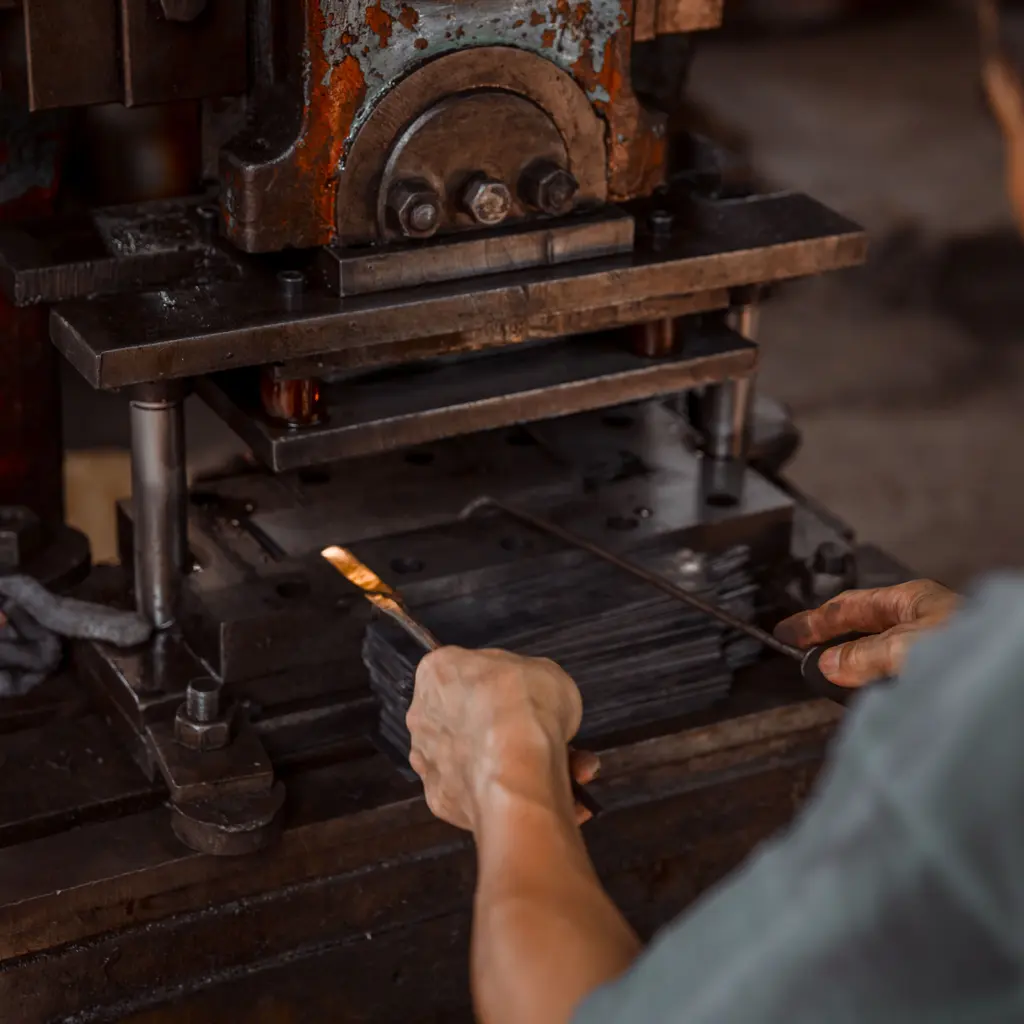
You operate mechanical and hydraulic presses to form sheet-metal components, often working with expensive customer-owned dies. Press operations and coil handling create significant crush and amputation hazards, while a single setup error can affect an entire production run.
The Southern Agency can review your press lines, customer tooling agreements and finished-part uses to help you select insurance. We can compare protection for dies in the press or in transit with your plant property, breakdown and product liability needs.
High-tonnage presses and die changes create serious amputation, caught-in, and crush hazards for operators and setup crews.
A tooling or setup error can produce flawed parts across a run that fail in a customer's product, creating product liability exposure.
Plants store and maintain valuable customer tooling; a press crash, fire, or mishandling can destroy dies entrusted to the plant.
Stamping presses and coil-feed lines are critical, and a failure can halt high-volume production and jeopardize supply agreements.
Moving heavy steel coils and bins with cranes and forklifts exposes workers to crush and struck-by injuries.
Lubricants, contamination and the metal and physical form of accumulated scrap determine fire concerns. Bulk coil or scrap is not the same hazard as fine combustible metal particles.
Automotive and industrial customers impose quality standards, and a lapse can trigger rejected lots and liability disputes.
Policies to ask about. Which ones fit depends on your operations, your contracts, and the carrier’s forms.
These hypothetical examples are not agency claim results. Whether a loss is covered depends on the facts, policy terms, and applicable exclusions.
A worker is injured clearing a jam at a stamping press. Workers' compensation may help with medical care and lost wages, subject to the policy and applicable law.
A press crash destroys a customer-owned die stored at the plant. Inland marine or bailee coverage may help with the loss, subject to the specific policy and limits. Check the die’s owner and value, press-crash cause, and processing restrictions. Direct entrusted-property and legal-liability forms may treat the loss differently.
A run of stamped parts is alleged to have failed in a customer assembly. Product liability coverage may respond to resulting damage, depending on policy terms and the facts. Establish what failed and whether there is injury or damage beyond the stamped parts. Replacing or sorting the run, an impaired assembly, shutdown demands, and recall costs require separate review.
Start with the work you do and the questions your current policies leave unanswered. Carrier options depend on your location, risk, and underwriting. Explore our approach.
Press operation, die changes, and jam clearing create serious crush and amputation hazards; coil handling adds lifting and struck-by risks. Describe these duties and worker status for the state classification and benefit review rather than relying on a generic factory description.
List each customer’s dies, values and storage, use, and repair responsibilities. Compare direct property cover with legal-liability and processing restrictions, including a press crash. Ordinary contents and GL custody terms do not establish protection for all entrusted tooling.
Identify the part, application, and alleged injury or other-property damage. Separate the flawed run, sorting or replacement, impaired assemblies, customer downtime, and recall. Those losses do not all follow the same product-liability terms.
Identify the covered internal press or feeder failure, repair and restart period, and purchased stock or income extensions. Setup errors, worn tooling, and a missed supply deadline alone are not insured breakdown.
Bring the buyer’s specifications, quality requirements, indemnity, limits, and additional-insured request. Compare them with issued endorsements and the applications insured. A certificate or quality approval does not establish every requested cover or compensation for rejected output.
Describe lubricant chemistry and the metal, particle size, contamination, and storage of scrap. Bulk metal and fine combustible particles do not present identical fire hazards. Qualified assessment and policy conditions matter; housekeeping does not guarantee payment.
Bring your questions, current policies, and relevant contracts. An agent can review coverage terms, exclusions, and the information carriers ask for, then explain the options available to you.