

Molten metal steam explosion
Contact between molten aluminum and moisture can trigger a violent steam explosion, endangering workers and causing major property damage.
Try a different word, or check the spelling.
Your spent potlining remains an environmental responsibility beyond the value of the aluminum produced. Cleanup and disposal-site terms need attention separately from potline repairs, restart costs and any income benefit.
The Southern Agency can help you evaluate insurance terms for continuous smelting operations and the associated environmental and mechanical risks.
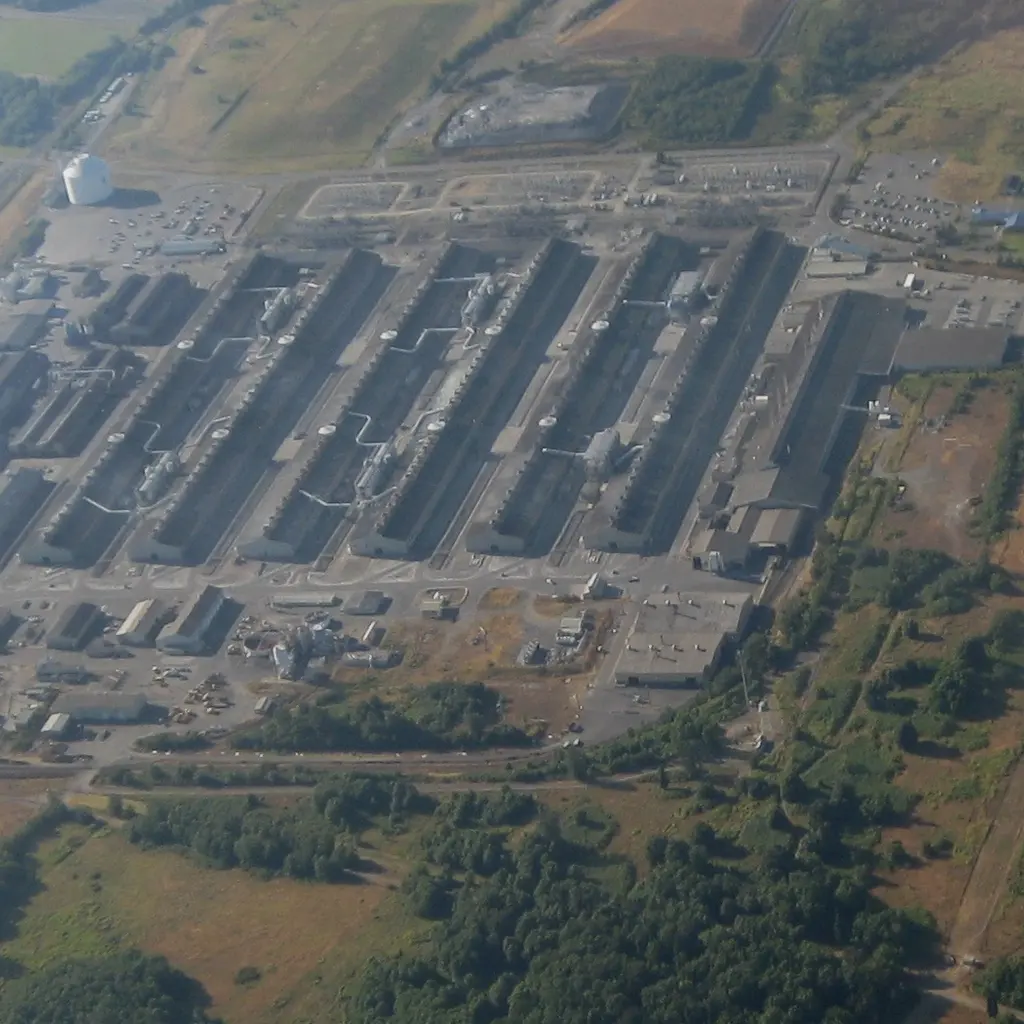
You convert alumina into molten aluminum through electrolytic reduction, meaning a power interruption can freeze a potline and cause severe production losses.
The Southern Agency can review your smelting processes, including molten-metal handling and emission risks, to help you select appropriate insurance. We can help you determine if your policy covers the costs of restarting a frozen potline or if you need to add specific income protection.
Contact between molten aluminum and moisture can trigger a violent steam explosion, endangering workers and causing major property damage.
An interruption to power or cooling can let reduction cells freeze, causing a catastrophic and lengthy production outage.
Failure of rectifiers, cells, or casting equipment is costly to repair and can idle a continuous, high-value operation.
Process emissions and spent potlining waste create substantial environmental liability and regulatory exposure.
Molten metal handling, high heat, and gases expose employees to serious burn, inhalation, and heat-stress injuries.
Continuous operations mean any major incident can stop revenue for an extended period while equipment is rebuilt.
Policies to ask about. Which ones fit depends on your operations, your contracts, and the carrier’s forms.
These hypothetical examples are not agency claim results. Whether a loss is covered depends on the facts, policy terms, and applicable exclusions.
Moisture contacts molten metal during casting and causes an explosion with injuries and damage. Property and liability coverage may respond, depending on the policies and facts. Identify whether the injured people are employees or third parties and whose plant or stock was damaged. Review the cause, explosion coverage, and workers' compensation, general liability, and property exclusions and limits separately.
A rectifier failure interrupts power and a section of the potline freezes. Equipment breakdown and business interruption may help, subject to the policy and exclusions. Check whether the rectifier or utility event is covered, then review the frozen cells, lining, stock, and restart costs. Income recovery also depends on the protection purchased and its waiting and restoration periods; loss of power and time shut down alone are insufficient.
A process upset leads to an emissions or waste exceedance requiring remediation. Environmental liability may help if the material, site and release fall within the policy and its cleanup or third-party provisions. Reporting and consent requirements still apply. A permit exceedance alone does not assure payment for routine emissions correction, waste disposal or fines.
Start with the work you do and the questions your current policies leave unanswered. Carrier options depend on your location, risk, and underwriting. Explore our approach.
Continuous reduction and casting combine molten metal with heavy power and cooling demands, emissions and waste. The plant and stock values, equipment or utility failures, worker injuries, supplied metal, and pollution duties all need review. Insurers assess the operation and proposed limits individually; the industry name alone does not determine acceptance or terms.
Loss of power or cooling can freeze cells and require costly rebuilding and restart. Identify the cause, equipment and utility service involved. Review coverage for frozen cells, lining, stock, and repairs, plus any purchased income protection and its waiting and restoration periods. A freeze or lengthy outage alone is not enough to show that every expense is insured.
Fluoride and particulate emissions, spent potlining and other waste warrant a separate pollution review. Describe the sites and transport and disposal duties, then check the pollutants and releases included, prior conditions, cleanup and third-party provisions, and reporting and consent requirements. Routine permit or waste compliance and fines are not covered merely because environmental insurance is in place.
Review the actual molten-metal event and accepted reduction or casting duties, covered causes, exclusions, property interests, and limits. Employee injuries, third-party injury or damage and repair of the plant or stock need separate terms. Qualified moisture and handling assessment informs the risk review, but controls alone do not guarantee acceptance, favorable terms or payment for every explosion.
Assess potential injury or damage, actual reduction, casting and other duties, contract requests and risk tolerance with qualified advisers. Compare proposed limits, underlying liabilities and excess duties included, attachment, aggregates and exclusions. Catastrophic potential alone does not make a particular limit mandatory, advisable for every plant, available or sufficient, or add recall, professional, pollution or own-property benefits.
Underwriters weigh potline size, power and cooling redundancy, risk controls, emissions management, equipment values, payroll, and loss history, each subject to policy terms.
Bring your questions, current policies, and relevant contracts. An agent can review coverage terms, exclusions, and the information carriers ask for, then explain the options available to you.