

Pollution and chemical release
Leaking tanks, spills, or improper waste handling can contaminate soil or water, creating environmental liability and cleanup costs often excluded elsewhere.
Try a different word, or check the spelling.
Your bath or coating line works on someone else's part, not just material owned by the shop. Custody protection must fit damage during treatment, with direct-goods cover, legal liability, and the cost of refinishing kept distinct.
The Southern Agency can help you evaluate your plating operations and select insurance to protect against processing risks and site liability.
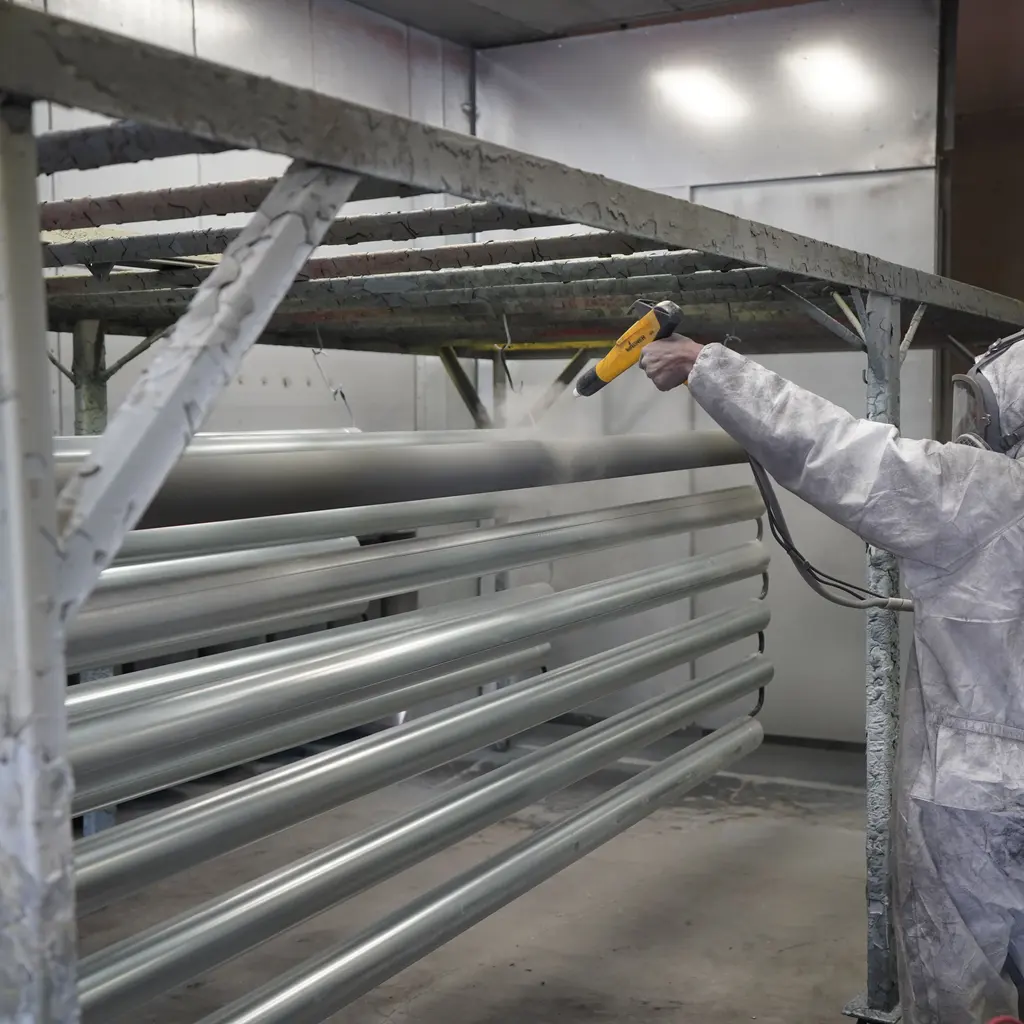
You finish customer-supplied parts through processes like anodizing, powder coating or wet-line plating. Operating chemical baths, ovens and ventilation systems creates risks ranging from employee injury and site contamination to damage to the parts entrusted to you.
The Southern Agency can review your finishing lines, chemicals and customer-part agreements to help you select insurance. We can discuss damage during treatment, pollution liability and breakdown of the equipment your line depends on.
Leaking tanks, spills, or improper waste handling can contaminate soil or water, creating environmental liability and cleanup costs often excluded elsewhere.
Shops hold large quantities of customer-owned metal; over-plating, etching, or mishandling can damage or destroy goods entrusted to the shop.
Acids, plating solutions, and solvents create burn, inhalation, and contact-injury risk for line workers around tanks and ovens.
An out-of-spec or failed coating can lead to rejected parts, rework, and claims tied to the finished product's performance.
Rectifiers, curing ovens, and exhaust systems are critical, and a failure can halt the line and raise exposure to fumes.
Fire behavior depends on the solvent, coating powder, process heat, and physical form involved. Wet baths and dry coating materials do not all present the same combustion hazard.
Applicable wastewater, pretreatment, and waste requirements depend on the processes and site. Violations can create operating and regulatory costs distinct from insured release cleanup.
Policies to ask about. Which ones fit depends on your operations, your contracts, and the carrier’s forms.
These hypothetical examples are not agency claim results. Whether a loss is covered depends on the facts, policy terms, and applicable exclusions.
A plating tank leaks and contaminates soil at the facility. An environmental liability policy may respond to cleanup and third-party claims, depending on policy terms and the facts. Check which site, chemicals, and cleanup costs are covered, including restrictions on prior conditions. Ordinary treatment, disposal, and regulatory costs are separate expenses.
Customer parts are over-etched and rendered unusable during finishing. Record ownership and agreed values, then check damage-during-processing and workmanship terms under the proposed entrusted-property or legal-liability form. Refinishing or replacing the batch is not necessarily covered simply because the shop holds it for a customer.
A curing oven exhaust system fails and stops the coating line. Equipment breakdown coverage may help with repair and lost income, depending on policy terms and exclusions. Identify the internal failure, repair, and restart time, and purchased income or stock extensions. A ventilation-related safety hold alone does not establish covered physical damage.
Start with the work you do and the questions your current policies leave unanswered. Carrier options depend on your location, risk, and underwriting. Explore our approach.
Read the pollution exclusion and any limited exceptions before relying on GL for a bath spill or tank leak. If environmental terms are offered, check the site, chemicals, release trigger, and cleanup costs included. Neither policy name establishes cover for normal treatment or all regulatory expenses.
Record ownership, values and the processing stages. Ask whether the proposed cover insures entrusted goods directly or your legal liability, and check processing and workmanship restrictions. Damage from over-etching or a rejected finish may be treated differently from a fire or theft.
Identify what failed and what was damaged. Injury or damage beyond the processed part differs from stripping, refinishing, replacing that part, and repairing an impaired assembly. Review the part’s end use and the policy’s own-work, worked-on, and recall restrictions.
Describe the chemicals and powders used, their storage, and the curing process. Fire behavior depends on material and physical form; acids, solvents, and coating powders are not interchangeable hazards. Controls inform the assessment but do not guarantee favorable terms.
Explain tank, rinse, coating, oven, and maintenance duties, including chemical and inhalation hazards. State requirements and qualifying benefits depend on employment and the applicable rules, not merely the plating-shop name.
Bring the requirements and records relevant to your process and site. Review pollution conditions and exclusions with qualified advisers. Compliance does not guarantee coverage, and a permit violation does not by itself make fines, treatment upgrades, or all cleanup costs insured.
Bring your questions, current policies, and relevant contracts. An agent can review coverage terms, exclusions, and the information carriers ask for, then explain the options available to you.