

Fire load from fabric and finished bags
Rolls of canvas, webbing, thread, and finished inventory are combustible and can concentrate value in a small footprint.
Try a different word, or check the spelling.
Your promotional buyer can reject an accurately sewn bag because its color or printed logo is wrong. Product protection needs to distinguish that order problem from injury caused by a failed strap, with stock and transit interests reviewed separately.
The Southern Agency can help you protect your manufacturing assets and liability obligations.
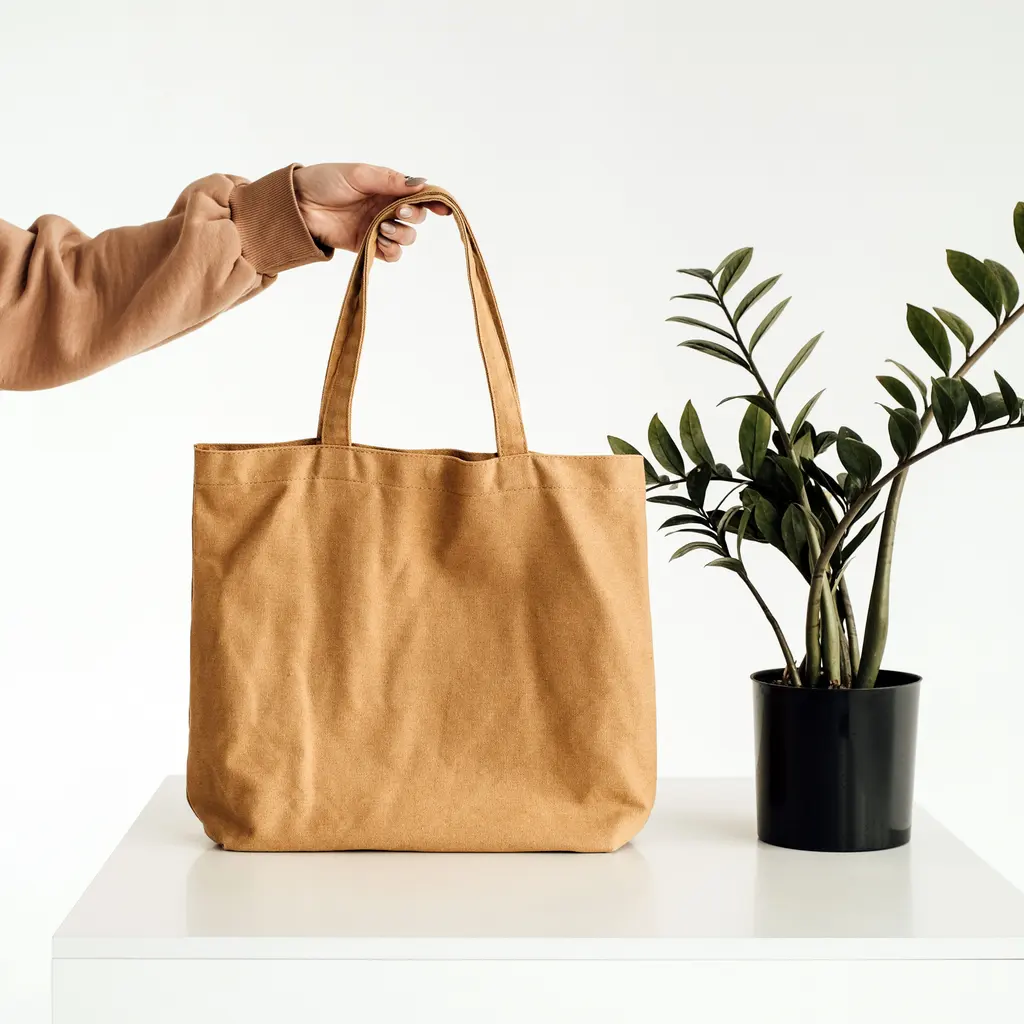
You cut and sew canvas and hardware into bags for retail and promotional markets. A fire can ruin your seasonal fabric stock, or a failed seam on a finished bag could injure a user.
The Southern Agency can review your bag designs, material ownership, printing duties and fulfillment handoffs to help you choose insurance. We can compare liability for a failed strap with stock and transit protection, then review rejected artwork or reprinting costs separately from covered injury or property damage.
Rolls of canvas, webbing, thread, and finished inventory are combustible and can concentrate value in a small footprint.
Industrial sewing machines, cutting blades, and repetitive motion expose staff to needle, laceration, and strain injuries.
A failed handle, seam, or zipper on a tool or duffel bag can lead to product complaints or injury claims.
Wrong color, misprinted logos, or off-spec runs on promotional orders can trigger rejected lots and customer claims.
Finished bags shipped to retailers, events, or third-party warehouses face transit and off-site storage exposures.
A breakdown of key cutting or sewing equipment can stall fulfillment on time-sensitive custom orders.
Policies to ask about. Which ones fit depends on your operations, your contracts, and the carrier’s forms.
These hypothetical examples are not agency claim results. Whether a loss is covered depends on the facts, policy terms, and applicable exclusions.
A heavy tool bag's handle gives way and dropped tools injure a user. Product liability may help with the resulting claims, depending on the policy and facts. Check the load, design and end use included and the injury or other damage alleged. Replacing the bag, honoring warranties, and recalling goods are separate coverage questions.
A fire at an off-site fulfillment warehouse destroys palletized finished bags. Inland marine or property coverage may help, subject to the policy, endorsements, and exclusions. Confirm the insured goods owner, fulfillment location, stock values, and covered fire cause. Review the property and income terms purchased separately from the warehouse's liability.
A branded tote run prints with the wrong logo color and is rejected by the client. That fact alone is an order or quality dispute, not proof of insured injury or property damage. Review artwork approval, reprinting and refund duties and any separately included errors or financial-loss coverage and exclusions. Product or contractual-liability wording alone does not assure payment for a rejected run.
Start with the work you do and the questions your current policies leave unanswered. Carrier options depend on your location, risk, and underwriting. Explore our approach.
If bags carry loads, a failed handle or seam can cause injury. Product liability may help respond, and the right limit depends on your designs and underwriting.
Check the manufacturing, printing and load-bearing uses included, products coverage within general liability, stock values and locations, income terms and exclusions. Transit, entrusted stock, professional or design duties and withdrawal may need separate terms. Neither a BOP nor an additional policy is automatically sufficient, eligible or available for your operation.
Inland marine can extend to goods in transit and stored off-site. Coverage depends on the specific policy, locations scheduled, and exclusions.
A wrong color or logo alone is an order or quality dispute, not proof of insured injury or property damage. Review artwork approval and licensing, rework, refunds and contract duties, alongside any separately included errors or financial-loss coverage and exclusions. Product or contractual-liability wording alone does not assure payment for a rejected run.
Workers' compensation is commonly required and may respond to employee needle, blade, and strain injuries, subject to state rules and policy terms.
Limits should reflect peak fabric and finished-bag values, especially before shipping deadlines, subject to policy terms and valuation.
Bring your questions, current policies, and relevant contracts. An agent can review coverage terms, exclusions, and the information carriers ask for, then explain the options available to you.