

Drivetrain, brake, and steering defect liability
A defect in a braking, steering, or drivetrain system can contribute to a serious highway crash involving a heavily loaded truck, driving severe product liability.
Try a different word, or check the spelling.
Your finished truck can move from yard stock to a road test and then a dealer trip. Property and auto terms should identify where protection changes, while the fleet buyer's recall, downtime and warranty demands remain separate.
The Southern Agency can help you align product liability, heavy-lift property, and test-drive coverage with your factory's assembly processes.
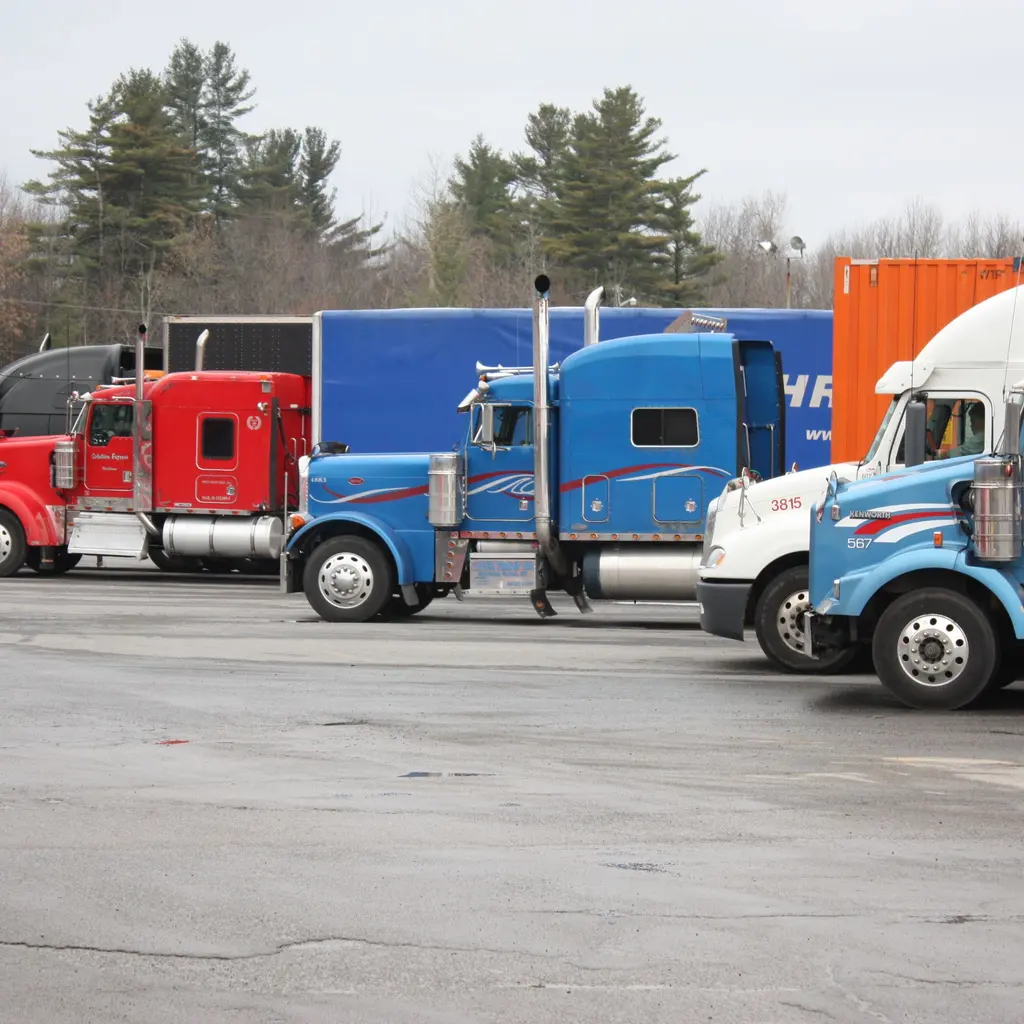
Your heavy truck factory relies on overhead cranes, heavy-lift equipment, and welding to assemble frames and drivetrains. A drivetrain, brake, or steering defect during highway operation can result in serious injury or highway accidents, creating significant liability and regulatory exposure.
The Southern Agency can review your assembly-line operations, test-driving procedures, and finished-unit stock to help you select appropriate insurance. For example, we can compare how liability coverage handles third-party highway crash claims versus your own fleet-recall or vehicle-repair responsibilities.
A defect in a braking, steering, or drivetrain system can contribute to a serious highway crash involving a heavily loaded truck, driving severe product liability.
A systemic defect can trigger costly recall, repair, and liability demands from fleet buyers and regulators across many units.
Overhead cranes, heavy lifts, and frame handling expose workers to crush, fall, and struck-by hazards on the assembly floor.
Driving completed trucks for testing and moving them to dealers creates auto liability and physical damage exposure on public roads.
Frames, diesel engines, and finished trucks staged at the plant concentrate substantial value vulnerable to fire and storm losses.
Failure of cranes, welders, or paint systems can stall a capital-intensive heavy assembly line and delay contracted deliveries.
Policies to ask about. Which ones fit depends on your operations, your contracts, and the carrier’s forms.
These hypothetical examples are not agency claim results. Whether a loss is covered depends on the facts, policy terms, and applicable exclusions.
A braking component is alleged to have failed on a loaded truck, contributing to a highway crash. Product liability may help with defense and covered damages, subject to the policy, endorsements, and exclusions. Check product and auto boundaries and injury or damage to other property separately from replacing the failed component, own truck or entire fleet.
A worker is injured during an overhead lift of a heavy frame. Workers' compensation may help with medical and wage benefits, depending on the policy and facts. Identify employer, crane and lift duties and jurisdiction; severity alone does not determine benefit eligibility.
A completed truck is involved in a collision during a road test. Business auto may help with liability and vehicle damage, depending on policy terms and cause. Check auto liability and separately included physical damage for a test or sale-stock truck, deductibles, and any other party's cargo or carrier interest.
Start with the work you do and the questions your current policies leave unanswered. Carrier options depend on your location, risk, and underwriting. Explore our approach.
A brake, steering or drivetrain defect can be alleged to cause a loaded-vehicle crash. Review product uses and covered injury or damage to other property separately from own-truck repairs, warranty, fleet downtime and recall remedies. Severity informs a review, not a guaranteed adequate or available limit.
Disclose test operations, drivers, vehicles, dealer deliveries, and driveaway movements. Compare auto liability and physical damage included with stock and carrier interests. Operating a finished truck is not automatically covered by premises general liability or ordinary inventory insurance.
NHTSA describes manufacturer safety-recall announcement and remedy responsibilities. Those duties do not establish insurance payment. Review an expressly offered heavy-truck recall form, trigger, affected vehicles, repair, and removal expenses, exclusions, notice, and consent separately from crash liability and warranty.
Compare covered internal mechanical or electrical failure of the crane, welder or paint equipment and any income extension, waiting period and restoration scope. Maintenance, a bad vehicle batch or a contractual ship date alone is not proof of covered breakdown.
Assess loaded-vehicle injury scenarios, underlying product and auto terms and buyer limits with qualified advisers. Check attachment and matching exclusions in any offered excess form; it does not automatically fund recall or ensure enough capacity for every crash.
Check applicable state employee rules and actual crane, weld, assembly, maintenance, and test-driving classifications. Most states have employee requirements with exceptions; identify the relevant duties rather than declaring a universal floor-staff rule.
Bring your questions, current policies, and relevant contracts. An agent can review coverage terms, exclusions, and the information carriers ask for, then explain the options available to you.