

Vehicle fire from installed systems
Propane, fuel, and electrical systems integrated into RVs and buses can lead to a unit fire if a defect or installation error occurs.
Try a different word, or check the spelling.
Your completed unit may leave the line for a road test or a drive to the dealer before it reaches an owner. Vehicle and staged-stock protection need to fit those movements, separately from liability for its installed systems.
The Southern Agency can help you secure insurance for your bus and RV manufacturing, including vehicle testing and product liability.
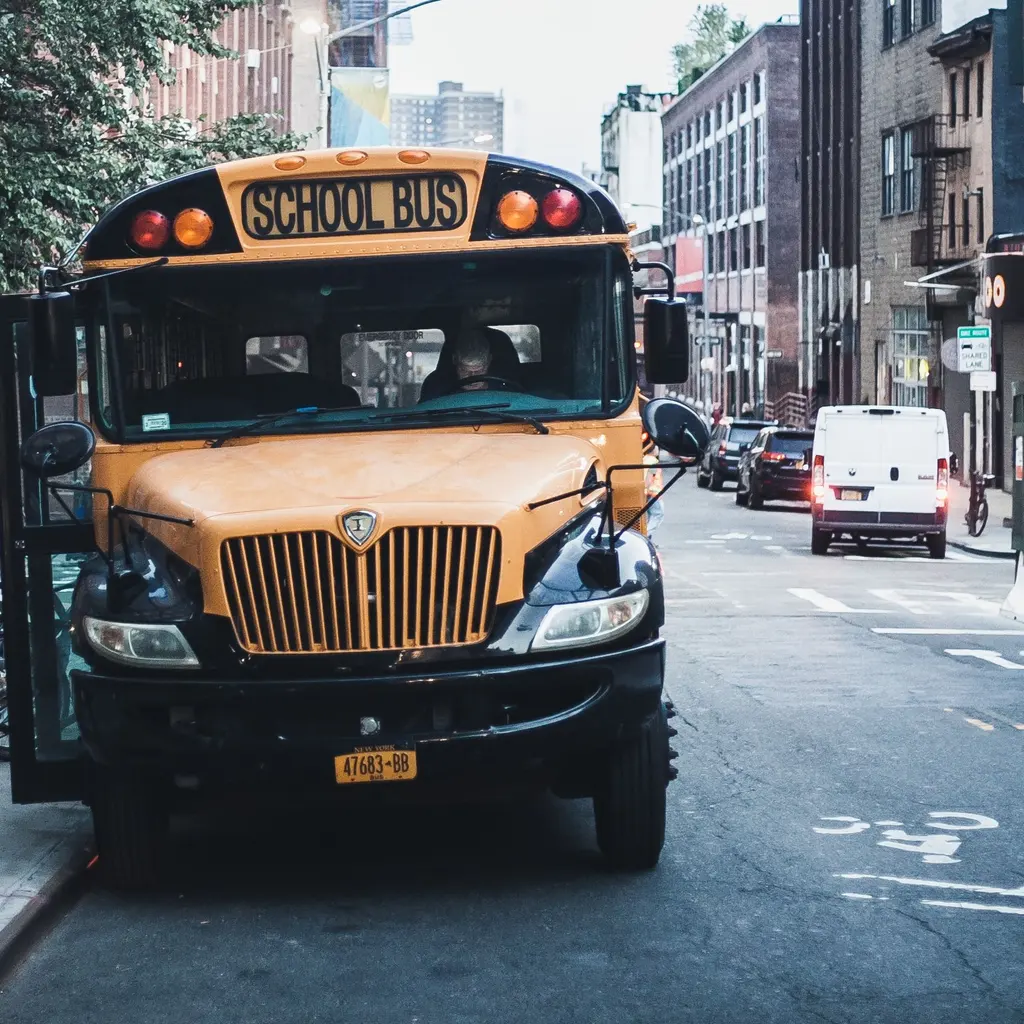
You fit out vehicles where an electrical or propane system failure could injure an occupant or cause a fire, and road testing at your plant adds significant vehicle liability.
The Southern Agency can review your vehicle assembly, testing and inventory management to help you choose insurance for your operations. We can help you clarify if your business auto covers road tests or if you need specific garage conditions for the vehicles you are building.
Propane, fuel, and electrical systems integrated into RVs and buses can lead to a unit fire if a defect or installation error occurs.
Finished buses and motorhomes carry occupants, raising product liability over rollover, egress, restraint, and systems-failure allegations.
Driving completed vehicles for testing and moving them to dealers creates auto liability and physical damage exposure on public roads.
A defect across a production run can trigger costly recall, repair, and liability demands from dealers and regulators.
Chassis, appliances, and finished units staged at the plant concentrate value vulnerable to fire, hail, and storm losses.
Assembly lines, lifts, and cabinetry work expose employees to crush, laceration, and strain injuries on the floor.
Policies to ask about. Which ones fit depends on your operations, your contracts, and the carrier’s forms.
These hypothetical examples are not agency claim results. Whether a loss is covered depends on the facts, policy terms, and applicable exclusions.
An RV is alleged to have caught fire due to an electrical fault, damaging property and injuring an occupant. Product liability may help with defense and damages, subject to the policy, endorsements and exclusions. Check the systems, product and design role included and the claimant's injury or other damage. Repairs to the RV itself, warranties, recall and other contract duties need separate review.
A completed bus is involved in a collision during a road test. Business auto may respond to liability and vehicle damage, depending on the policy and facts. Check that the vehicle, owner, driver, passengers, route, and testing use are included. Liability and physical damage have different terms; completion of a bus alone does not make it an insured vehicle.
A hailstorm damages finished vehicles staged outside. Property coverage may help with inventory loss, depending on the policy and cause. Review the insured vehicle-stock interests, outdoor location and peak values against covered hail, deductibles and exclusions. Listing units as inventory is not the same as confirming their vehicle-stock protection.
Start with the work you do and the questions your current policies leave unanswered. Carrier options depend on your location, risk, and underwriting. Explore our approach.
Finished units carry occupants and may integrate fuel, electrical or propane systems, depending on the vehicle and work performed. A defect can cause fire or injury, and product liability may help with defense and damages, subject to policy terms. Describe the passenger and habitation systems actually supplied.
Testing on the road creates auto exposure. Describe road tests, driveaway and carrier moves, drivers, passengers and vehicle owners. Check which auto, garage or testing uses are included and compare liability, physical damage and stock terms. Driving a vehicle for testing alone does not assure that it or every kind of damage is insured.
Identify your own and customer interests in chassis and finished units, indoor, and outdoor yards, and peak values. Review the proposed vehicle-stock or physical-damage terms, hail, and wind protection and deductibles. Ordinary property wording or a staged-unit list alone is not proof of hail cover for those vehicles.
Review any separate withdrawal coverage for the buses, RVs and systems included, its safety or defect trigger, expenses, limits, and notice and consent duties. Injury liability, field inspection and repair, defective-system replacement, dealer penalties, and refunds are different costs. A product or umbrella policy name alone does not assure payment for all recall expenses.
Many manufacturers do, because occupant-injury and fire claims can be severe. Umbrella or excess coverage adds limits above primary policies, though availability depends on underwriting.
Most states require it for employees, and assembly and cabinetry involve lifts and machinery. Requirements vary by state and the work performed.
Bring your questions, current policies, and relevant contracts. An agent can review coverage terms, exclusions, and the information carriers ask for, then explain the options available to you.