

Rotary kiln breakdown
Where the operation produces clinker, a refractory failure or mechanical breakdown of the rotary kiln can shut that production stage for an extended period and disrupt dependent work.
Try a different word, or check the spelling.
If your operation produces clinker as well as grinding cement, the kiln adds a separate machinery and emissions discussion. Insurance for those stages should not be mistaken for a budget to reline refractory or meet routine permit duties.
The Southern Agency can help you assess your mill operations and associated regulatory exposures.
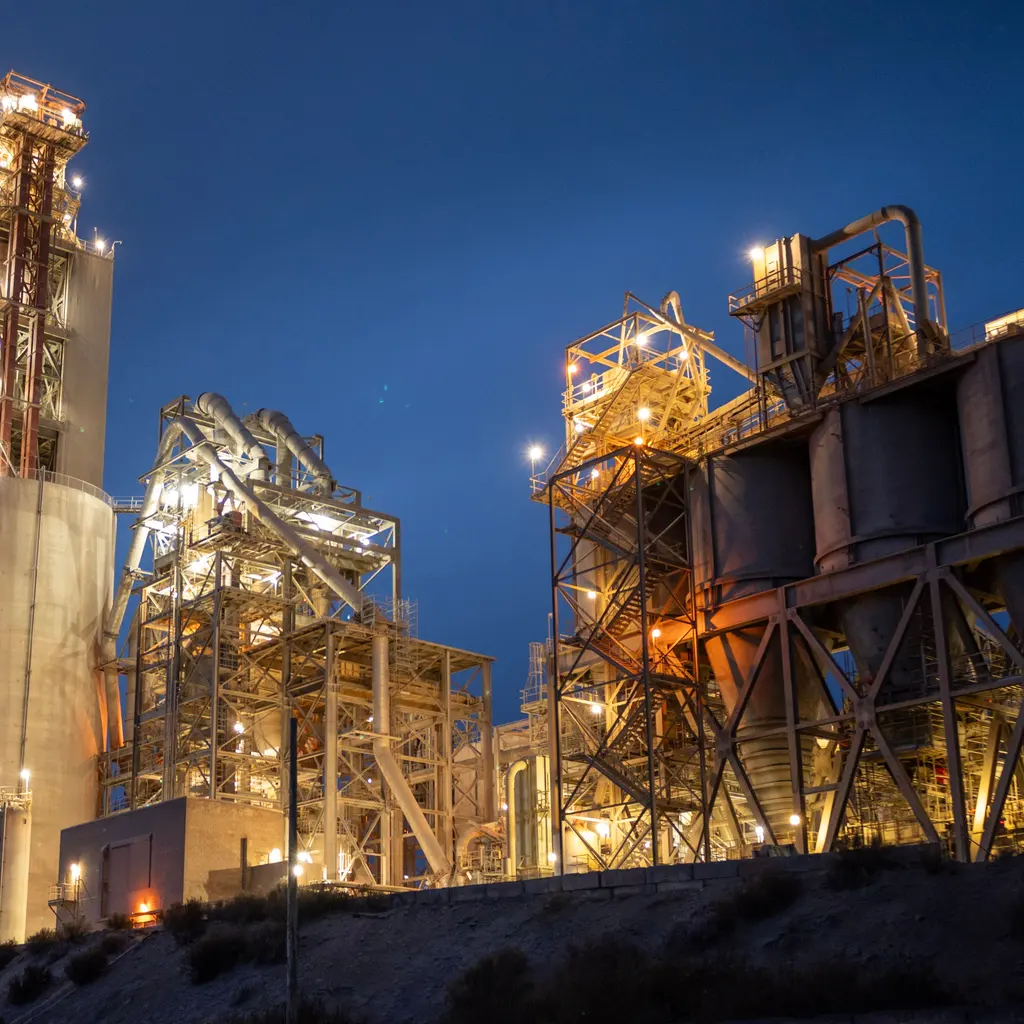
You grind or blend clinker into cement and may also operate quarrying, clinker kilns or bulk haulage. Dust from material handling and milling affects workers and neighboring property; kiln heat and emissions add different concerns where you perform that stage. A critical mill or drive failure can interrupt dependent production and shipments.
The Southern Agency can review your production stages, bulk transport handoffs, and emission controls to help you select appropriate insurance. We can explain why your kiln maintenance, such as refractory relining, is typically an excluded operating cost rather than a covered breakdown loss.
Where the operation produces clinker, a refractory failure or mechanical breakdown of the rotary kiln can shut that production stage for an extended period and disrupt dependent work.
Because milling runs around the clock, a major equipment loss can cause severe lost-income exposure during repairs.
Cement and limestone dust plus kiln emissions create environmental, air-quality, and regulatory exposure.
Crushers, grinding mills, and kilns expose workers to crush, burn, and respiratory injuries in demanding conditions.
Quarry and process runoff and stored materials can lead to soil and water contamination claims.
Fire, explosion or structural damage can threaten costly mills, kilns and supporting structures. Actual equipment values and replacement needs matter when setting property limits.
Policies to ask about. Which ones fit depends on your operations, your contracts, and the carrier’s forms.
These hypothetical examples are not agency claim results. Whether a loss is covered depends on the facts, policy terms, and applicable exclusions.
A refractory failure forces the rotary kiln offline for extended repairs. Equipment breakdown and business income may help, depending on policy terms. Establish the event and covered equipment and review refractory, wear, and maintenance exclusions. Any repair or income recovery depends on the protection, waiting, and restoration terms purchased; taking the kiln offline alone is not proof of payment.
Neighboring properties allege damage from cement dust drifting from the plant. Environmental liability may respond, subject to the policy, endorsements and exclusions. Check the material, site, release and allegations, prior conditions, pollution versus ordinary general liability, and cleanup, reporting and consent terms. Complaints, penalties and permit costs are separate questions, not payments assured by a dust release.
A grinding mill bearing fails and stops finishing production. Equipment breakdown may help with repair and resulting lost income, subject to the policy and exclusions. Review the bearing's internal failure versus wear, the machine included and the income and restoration terms purchased. A delayed bulk load or customer penalty needs separate review.
Start with the work you do and the questions your current policies leave unanswered. Carrier options depend on your location, risk, and underwriting. Explore our approach.
Identify critical kiln, grinding, and drive equipment and the event causing damage. Compare covered internal failures with refractory, wear, heat, and maintenance provisions and any stock, income and extra-expense protection purchased, including waiting and restoration periods. Continuous operation or a shutdown alone does not assure repair payments or recovery of all lost output.
Generally yes. Cement dust, emissions, and runoff create pollution exposure that environmental liability may help address, depending on operations and the specific policy.
Business income coverage may respond when a covered loss halts production, helping with lost revenue during repairs, depending on the policy, limits, and exclusions.
Bring the lender's property, loss-payee, valuation, limit, and endorsement requests. Compare the equipment, sites and causes included with issued terms. A lender demand or certificate neither amends the policy nor assures matching availability or fulfillment of every financing obligation.
Heavy machinery, dust, and high temperatures drive injury and respiratory exposure. Strong safety programs can affect workers' compensation terms, depending on the operation.
Underwriters weigh asset values, process continuity, emissions, production, and payroll. Not every plant needs the same policies, so pricing reflects the specific operation.
Bring your questions, current policies, and relevant contracts. An agent can review coverage terms, exclusions, and the information carriers ask for, then explain the options available to you.