

Kiln and curing system loss
Firing kilns and concrete curing systems need separate fire and breakdown reviews for their temperatures, pressure, and controls. Failure of either can halt production.
Try a different word, or check the spelling.
Your masonry line may fire clay or cure concrete, with different machinery and process conditions. Protection needs to fit that method and outdoor yard stock, without treating a failed curing run as an equipment repair.
The Southern Agency can help you review fired or cured products, critical machinery, yard stock and loading duties without treating product quality or every stopped batch as insured.
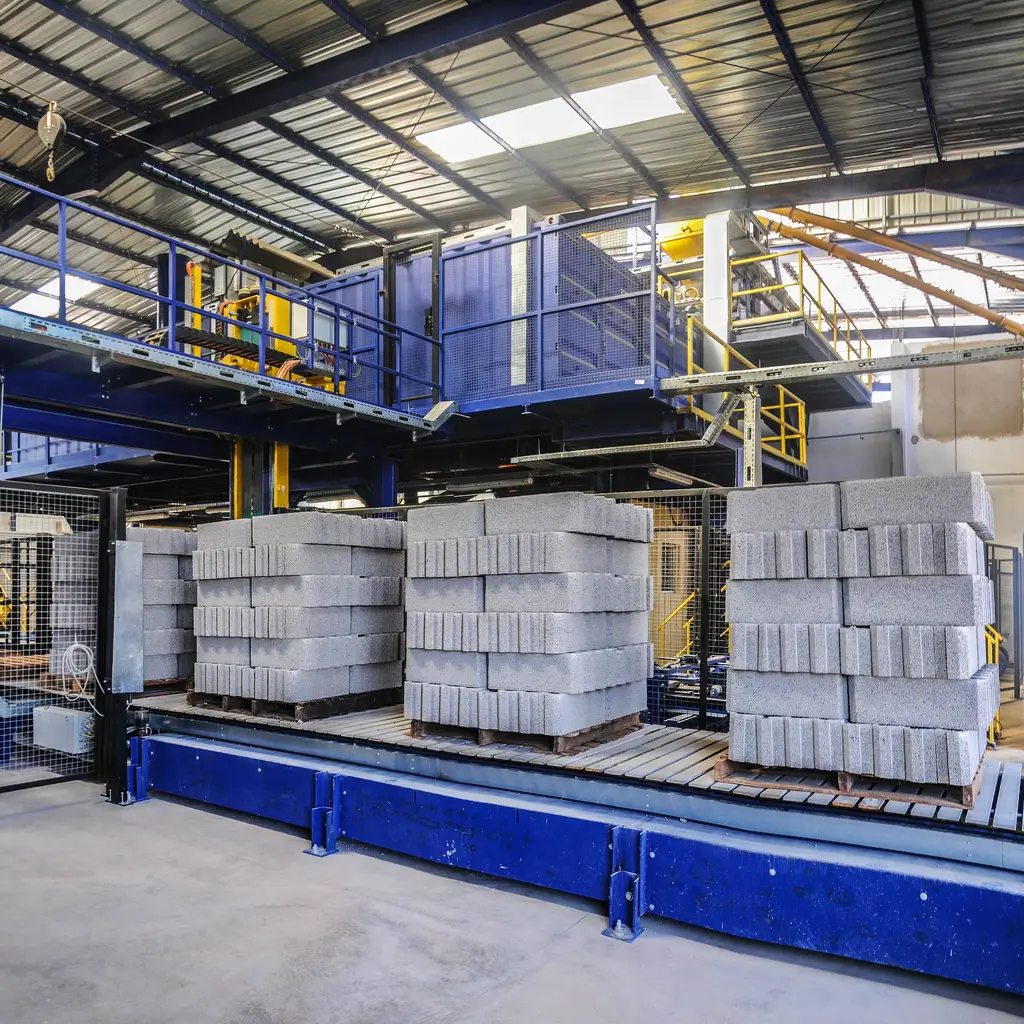
You produce masonry units where firing or curing involves heavy machinery and constant material movement, creating significant injury and production interruption risks.
The Southern Agency can review your plant layout and distribution network to help you choose insurance for your masonry business. We can help you distinguish between forklift-related injury coverage and the property limits needed for outdoor stock exposed to the weather.
Firing kilns and concrete curing systems need separate fire and breakdown reviews for their temperatures, pressure, and controls. Failure of either can halt production.
Moving dense brick and block with presses, conveyors, and forklifts exposes workers to crush and strain injuries.
Cutting and handling masonry generates respirable silica dust, creating worker health and regulatory exposure.
A brick or block that fails structurally after being built into a wall can lead to product and completed-product claims.
Trucks hauling heavy palletized product to job sites and yards face collision, cargo, and loading exposure.
Forming presses, conveyors, and mixing equipment are essential, and a sudden failure can stop production.
Large stockpiles of finished brick and block stored in the yard are exposed to weather and handling damage.
Policies to ask about. Which ones fit depends on your operations, your contracts, and the carrier’s forms.
These hypothetical examples are not agency claim results. Whether a loss is covered depends on the facts, policy terms, and applicable exclusions.
A kiln control system fails and production stops while repairs are made. Equipment breakdown may help with repair and lost income, subject to policy terms and exclusions. Check whether an internal control failure is covered rather than a process problem or wear. Review stock damage and the income and restoration terms purchased; stopped production alone is insufficient.
A loaded delivery truck is involved in a collision en route to a job site. Business auto may respond, depending on the policy and facts. Check the vehicle, driver, use, and loading handoff. Liability to others, damage to the truck and damage to its palletized cargo require separate comparison with the relevant terms.
A worker is injured moving palletized block in the yard. Workers' compensation may help with medical and wage costs, subject to policy terms and jurisdiction. Confirm the employer, worker's status, state, and yard or forklift duties. Those employee benefits differ from liability for unloading at a customer's site or damage to the cargo.
Start with the work you do and the questions your current policies leave unanswered. Carrier options depend on your location, risk, and underwriting. Explore our approach.
Plants commonly carry property, equipment breakdown, product, general liability, auto, and workers' compensation. The right mix depends on equipment, fleet, and operations, subject to underwriting.
Equipment breakdown may respond when a kiln or forming equipment suffers sudden mechanical or electrical failure, helping with repair and lost income, subject to policy terms.
Describe clay and concrete products, structural uses, nonstructural units, and pavers, including who controls design and specifications. Check the products and end uses included and review any injury or other damage alongside the policy's own-product, own-work, impaired-property, and contract provisions. Rejected blocks, a strength rating or the need to remove and rebuild a wall alone is not proof of an insured loss.
Underwriters scrutinize silica controls because of worker health exposure. Strong dust management can affect workers' compensation terms, depending on the operation and jurisdiction.
Describe the vehicle, driver, and loading, unloading, forklift, and site duties. Review auto and general liability exclusions, vehicle damage and the separate interest in goods or cargo. Listing a truck on the policy does not by itself insure every pallet, customer-site loss or worker injury.
Underwriters weigh equipment values, production, dust controls, fleet, and payroll. Not every plant needs the same policies, so pricing reflects the specific operation.
Bring your questions, current policies, and relevant contracts. An agent can review coverage terms, exclusions, and the information carriers ask for, then explain the options available to you.