

Mixer truck fleet accidents
Heavy rotating-drum trucks delivering in traffic and on job sites face significant collision, rollover, and third-party liability exposure.
Try a different word, or check the spelling.
Your driver's work may end at the chute or continue into pumping, placing, or finishing. Auto, equipment and site liability should fit the actual delivery duties, separately from a low-strength result or the cost to demolish and repour concrete.
The Southern Agency can help you manage the distinct risks of your batching plant and mobile delivery fleet.
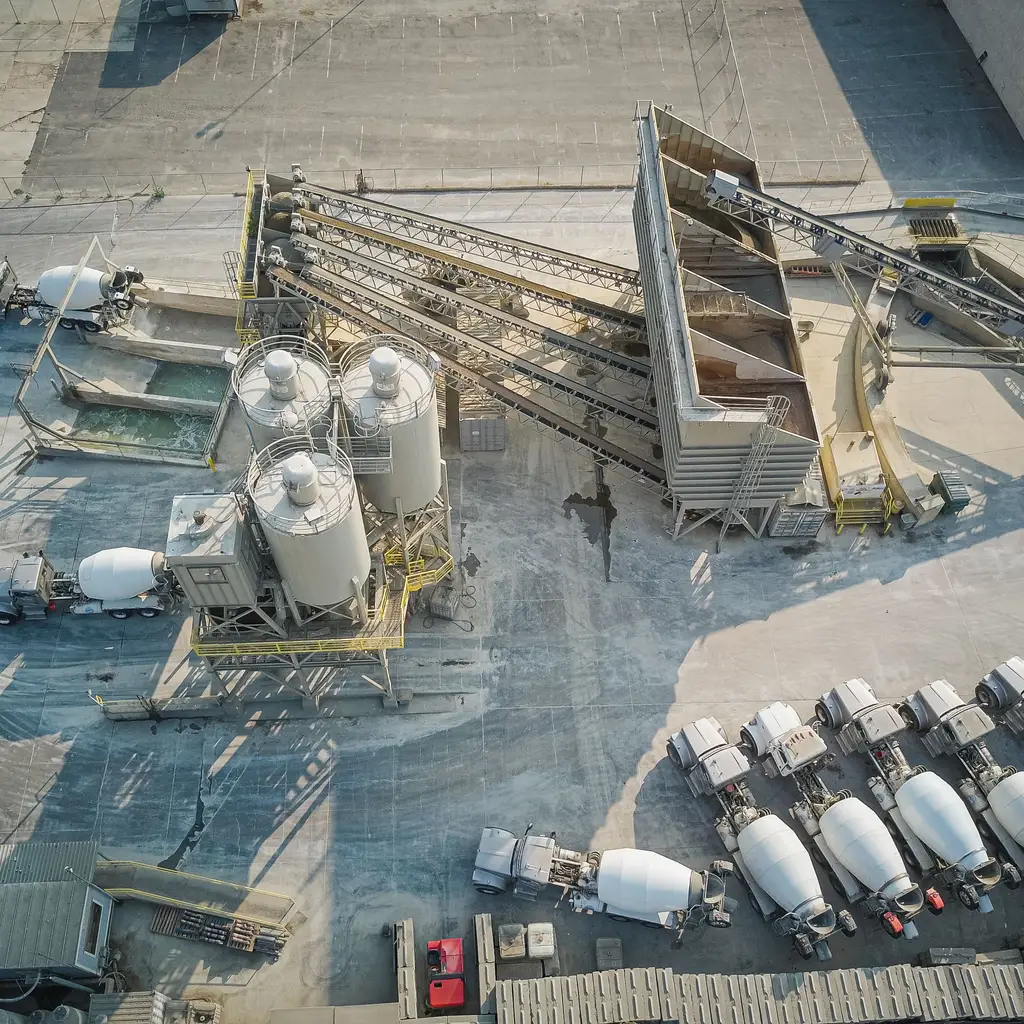
Your facility batches and delivers wet concrete to active jobsites. The tight delivery windows and structural requirements of your mix mean that quality issues or delivery accidents can lead to significant financial demands.
The Southern Agency can review your fleet operations and mix testing procedures to help you select appropriate insurance. For example, we can help you understand how your coverage may respond to a delivery vehicle accident versus a customer's demand for replacement due to low-strength concrete.
Heavy rotating-drum trucks delivering in traffic and on job sites face significant collision, rollover, and third-party liability exposure.
Low-strength test results can lead to demands for demolition and replacement without an injury or damage to other property. Liability for resulting harm and the cost to correct the concrete are different questions.
Cement dust and alkaline washout at the plant or jobsite can affect soil, water, or neighboring property. Cleanup, third-party claims, and regulatory obligations create different costs.
Silos, conveyors, hoppers, and loaders create caught-in, crush, and silica-dust hazards for plant workers.
Batch computers, conveyors, scales, and silo aeration can fail, halting production and delaying time-sensitive deliveries.
Fire, storm, or structural failure of silos and the batch plant can stop operations and damage stored materials.
Describe whether crews deliver through chutes, pump, place, or finish concrete. Damage to pavement, landscaping or structures can involve different auto, equipment, and site-work duties.
Policies to ask about. Which ones fit depends on your operations, your contracts, and the carrier’s forms.
These hypothetical examples are not agency claim results. Whether a loss is covered depends on the facts, policy terms, and applicable exclusions.
A loaded mixer collides with another vehicle en route to a pour, injuring the other vehicle’s driver. Review the covered vehicle, driver, and use for road liability. Damage to the mixer, the concrete load and the interrupted delivery need separate terms; the collision does not establish all three insured.
Cylinders from a delivered load test below specified strength and the pour requires tear-out. Identify any injury or damage to property other than the concrete and review own-product, own-work, impaired-property, and contract restrictions. The failed test and required demolition, replacement, or re-pouring alone do not establish product-liability payment.
Alkaline washout reaches a storm drain and prompts regulatory action. Identify the site and washout responsibility, release, and proposed pollution terms for cleanup and third-party claims. Check any expressly stated regulatory-defense expense separately; ordinary treatment, compliance correction and fines are not insured merely because a regulator is involved.
Start with the work you do and the questions your current policies leave unanswered. Carrier options depend on your location, risk, and underwriting. Explore our approach.
Heavy mixers travel public roads and active jobsites and can collide or roll over. Compare road liability and vehicle damage with the unloading, pumping, or placement work performed. Auto insurance does not itself establish protection for the concrete carried, every site loss, or missed delivery.
A failed strength test or required tear-out alone does not establish insured liability. Identify any injury or damage to property other than your concrete and review own-product, own-work, impaired-property, and contract restrictions. Demolition, replacement, re-pouring, and a strength warranty need separate review.
Alkaline washout can affect soil and water if released. Identify plant and jobsite responsibility, containment, and the release involved, then review covered cleanup and third-party claims. Check any expressly stated regulatory-defense expense separately; routine treatment, compliance correction and fines are not insured merely because a regulator is involved.
Identify a covered internal failure of batch controls, scales, conveyors, or aeration and review the stock and income extensions purchased. Repair, recalibration, and restart times may differ. Incorrect proportions, normal wear, or concrete setting alone do not establish covered breakdown.
Describe the material and dust-producing tasks and obtain qualified exposure advice. Applicable state worker requirements, classifications, and benefit eligibility need review for drivers and plant crews. Payroll affects rating; it does not set an automatic medical or wage-benefit limit.
Fleet size, delivery radius, production volume, dust and washout controls, equipment values, and loss history all factor in. Coverage availability depends on underwriting.
Bring your questions, current policies, and relevant contracts. An agent can review coverage terms, exclusions, and the information carriers ask for, then explain the options available to you.