

Drying kiln and kettle breakdown
Calcining kettles and long kiln dryers are production-critical; actual batch/continuous calcining and board-line bottlenecks determine the impact of an outage.
Try a different word, or check the spelling.
Your gypsum dust, paper facing, and additives are different materials, not one uniform fire exposure. Plant and worker protection should reflect those facts, while a board's promised rating and damage to a customer's building need separate product terms.
The Southern Agency can help you consider board production equipment, stock, and resulting product-damage claims.
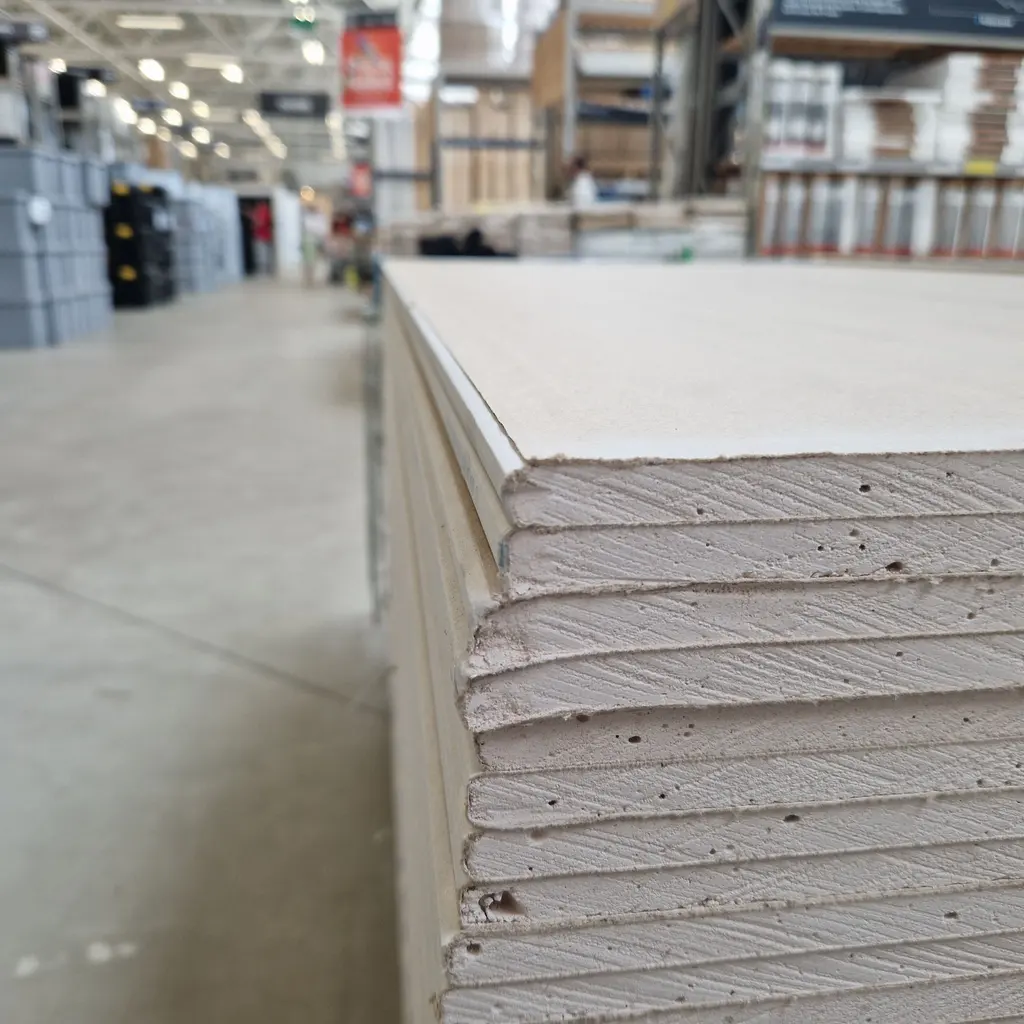
You produce gypsum wallboard through a high-speed process involving calcining, mixing, and drying in long kiln dryers. This continuous production supplies the construction market with large-format building panels.
The Southern Agency can review your calcining and board-line dependencies, stock values and installed uses to help you choose insurance. We can compare repair and income terms with liability for resulting building damage, keeping failed ratings, board replacement and dust-related questions distinct.
Calcining kettles and long kiln dryers are production-critical; actual batch/continuous calcining and board-line bottlenecks determine the impact of an outage.
Gypsum/calcium-sulfate mineral dust is not itself treated as combustible fuel; assess actual paper/additive/dust mixtures and respiratory/irritation and fire concerns separately.
Installed wallboard can draw claims over fire rating, moisture, or performance once incorporated into structures.
Because the board line runs nonstop, an equipment loss can cause substantial lost-income exposure during repairs.
Presses, conveyors, and large board panels expose workers to crush, strain, and laceration injuries.
Trucks hauling large board loads and warehoused finished panels face collision, handling, and storage damage.
Policies to ask about. Which ones fit depends on your operations, your contracts, and the carrier’s forms.
These hypothetical examples are not agency claim results. Whether a loss is covered depends on the facts, policy terms, and applicable exclusions.
A drying kiln fails and the continuous board line is forced offline for repairs. Equipment breakdown and purchased business income may help, depending on the policy and exclusions. Check covered internal kiln-dryer damage separately from wear or process problems, affected stock and income, waiting and restoration terms. Rejected panels and missed contractor orders need their own review.
A builder alleges installed wallboard failed its fire rating. Identify the actual board, test/assembly and design or installation duties and any injury or damage to other building property. Own-board tearout, replacement, code correction, contract rework, and withdrawal require separate review; a failed rating alone does not establish those benefits.
A plant fire involving accumulated gypsum and paper dust damages line equipment. Assess the actual combustible fraction and event rather than treat gypsum mineral as fuel. Check covered property and stock, valuation, and purchased income terms. Mixed dust and continuous output alone do not insure every fire or shutdown cost.
Start with the work you do and the questions your current policies leave unanswered. Carrier options depend on your location, risk, and underwriting. Explore our approach.
Plants commonly carry property, equipment breakdown, product, general liability, workers' compensation, and auto. The right mix depends on equipment and operations, subject to underwriting.
Equipment breakdown may help when a kiln, kettle, or press suffers sudden mechanical or electrical failure, subject to policy terms.
Identify board, test or assembly uses, design and installation duties and any injury or damage to other building property. Review own-product, own-work, impaired-property, mold, moisture, professional, and contract terms. Failed ratings, tearout, replacement or code correction alone do not insure every completed-product or recall cost.
Assess minerals, paper, additives, dust mixtures, and worker exposure separately. Calcium-sulfate mineral is not combustible fuel, while paper or actual mixtures can add fire concerns and mineral dust can irritate airways, eyes, or skin. Review materials included, controls, and covered causes; dust management does not guarantee terms or every illness or fire loss.
Business income coverage may respond when a covered loss halts the continuous line, helping with lost revenue during repairs, depending on the policy, limits, and exclusions.
Underwriters weigh equipment values, process continuity, dust controls, production, fleet, and payroll. Not every plant needs the same policies, so pricing reflects the operation.
Bring your questions, current policies, and relevant contracts. An agent can review coverage terms, exclusions, and the information carriers ask for, then explain the options available to you.