

Product safety and recall exposure
Defective fasteners, non-compliant flammability, or excessive lead can prompt a recall and bodily-injury claims involving young children.
Try a different word, or check the spelling.
Your garment's age range, materials, and sleepwear design affect which testing and certification questions apply. Product protection still needs to distinguish injury claims from retailer chargebacks, withdrawn garments, and penalties.
The Southern Agency can help you navigate the specific product-safety exposures in children's apparel.
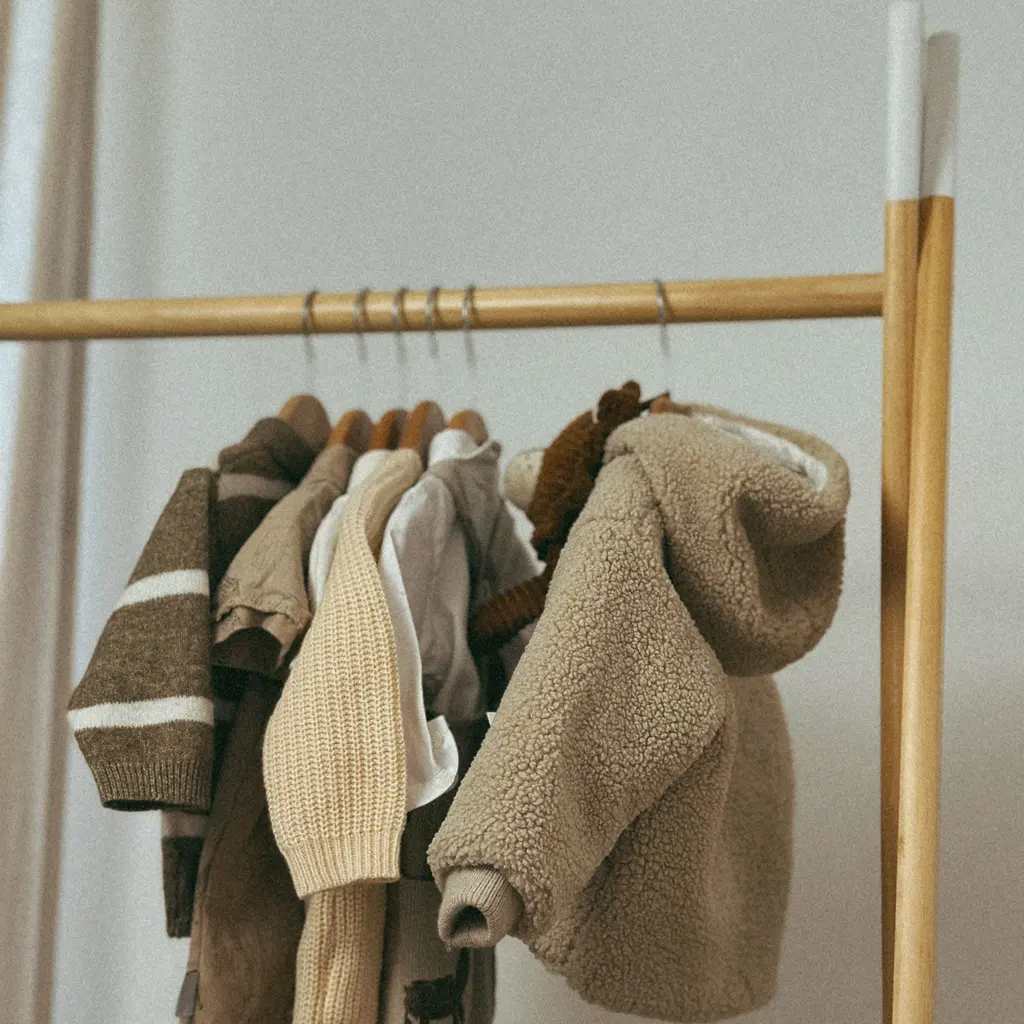
You design and sew garments for children, managing materials that must comply with various safety and labeling standards. A recall or failed test can create significant financial exposure independent of an injury claim.
The Southern Agency can review your product lines, testing certifications, and retailer agreements to help you select appropriate insurance. We can help you identify how your policies address product liability while clarifying that simple garment replacement or retailer chargebacks are not always insured events.
Defective fasteners, non-compliant flammability, or excessive lead can prompt a recall and bodily-injury claims involving young children.
Detached buttons, beads, or appliques and improperly sized drawstrings present serious injury risks specific to children's garments.
Product, age, materials, and sleepwear design determine which chemical, testing, and certification duties and exceptions need review. Failure to meet an applicable requirement can prompt rejection, withdrawal, or regulatory action; insurance does not automatically pay the penalties.
Fabric, thread, and finished garments concentrate stock in cutting and storage areas. Identify fibers, treatments, packaging, quantities, and storage arrangements for a material-specific fire assessment and peak-value review.
Sewing lines, embroidery heads, and pressing equipment are essential, and a breakdown can stall production against retailer delivery dates.
Sewing-machine operators and finishers face cuts, needle injuries, and repetitive-strain conditions over long shifts.
A buyer may request specified liability limits and additional-insured status before accepting apparel. Bring the actual vendor terms and compare the garments, duties, and endorsements included; the request does not add coverage.
Policies to ask about. Which ones fit depends on your operations, your contracts, and the carrier’s forms.
These hypothetical examples are not agency claim results. Whether a loss is covered depends on the facts, policy terms, and applicable exclusions.
A toddler reportedly swallows a button that separated from a garment, and the family pursues a claim. Product liability may respond to defense and damages, depending on the policy and facts. Check the garment, age and trim included and the injury and claim terms. Replacing the garment, recall, product guarantees, and refunds need separate review.
A lot of children's sleepwear is alleged to fail an applicable flammability standard, prompting injury claims and a recall. Product liability may help defend covered injury claims involving the insured garments. Any separately offered withdrawal protection has its own trigger, eligible expenses, and limits. Confirm the garment and rule; failed testing, garment replacement and refunds do not become covered injury damages simply because a recall occurs.
A fire in the fabric storage area damages inventory and machinery. Property and business income may help with repairs and lost production, subject to the policy. Check the covered fire and insured machinery and stock, including goods owned by customers. Income recovery depends on the protection, waiting, and restoration periods purchased; retailer penalties and every future sale are not assured payments.
Start with the work you do and the questions your current policies leave unanswered. Carrier options depend on your location, risk, and underwriting. Explore our approach.
A failed fastener or flammability defect can injure a child. Describe the age, garment, materials, and sleepwear or design duties. Review the products included and own-product, own-work, and contract exclusions. Age alone neither sets the right limit nor assures recall or refund benefits.
Review any separately offered withdrawal terms for the garments, ages, and territories included, the safety or defect trigger, notice and consent, expenses, and limits. Product injury liability and an ordinary umbrella do not automatically pay for inspection, field replacement, refunds, retailer chargebacks, or every recall expense. An endorsement's availability also needs confirmation.
Bring buyer or vendor terms for limits, the products included, additional-insured status, and indemnity, and compare them with issued endorsements. A retailer request, product-compliance certificate or insurance certificate neither assures matching available insurance nor fulfills every contractual promise.
Workers' compensation is commonly required for needle injuries and repetitive-strain conditions among operators and finishers, subject to state rules and policy terms.
Commercial property coverage may help protect inventory and equipment against fire and other covered perils. Coverage depends on the specific policy, limits, and exclusions.
Direct-to-consumer sales create payment and data exposure, so cyber coverage may be worth considering. Coverage availability depends on underwriting and your operations.
Bring your questions, current policies, and relevant contracts. An agent can review coverage terms, exclusions, and the information carriers ask for, then explain the options available to you.