Skip to content

Sportswear And Activewear Producer Insurance

Your wicking or support claim can be questioned even when a wearer has no skin injury. Product and performance-related terms need to distinguish that dispute, while online order data and launch-season stock create separate protection needs.

The Southern Agency can help you manage your production, online sales, and performance-claim risks through appropriate insurance.

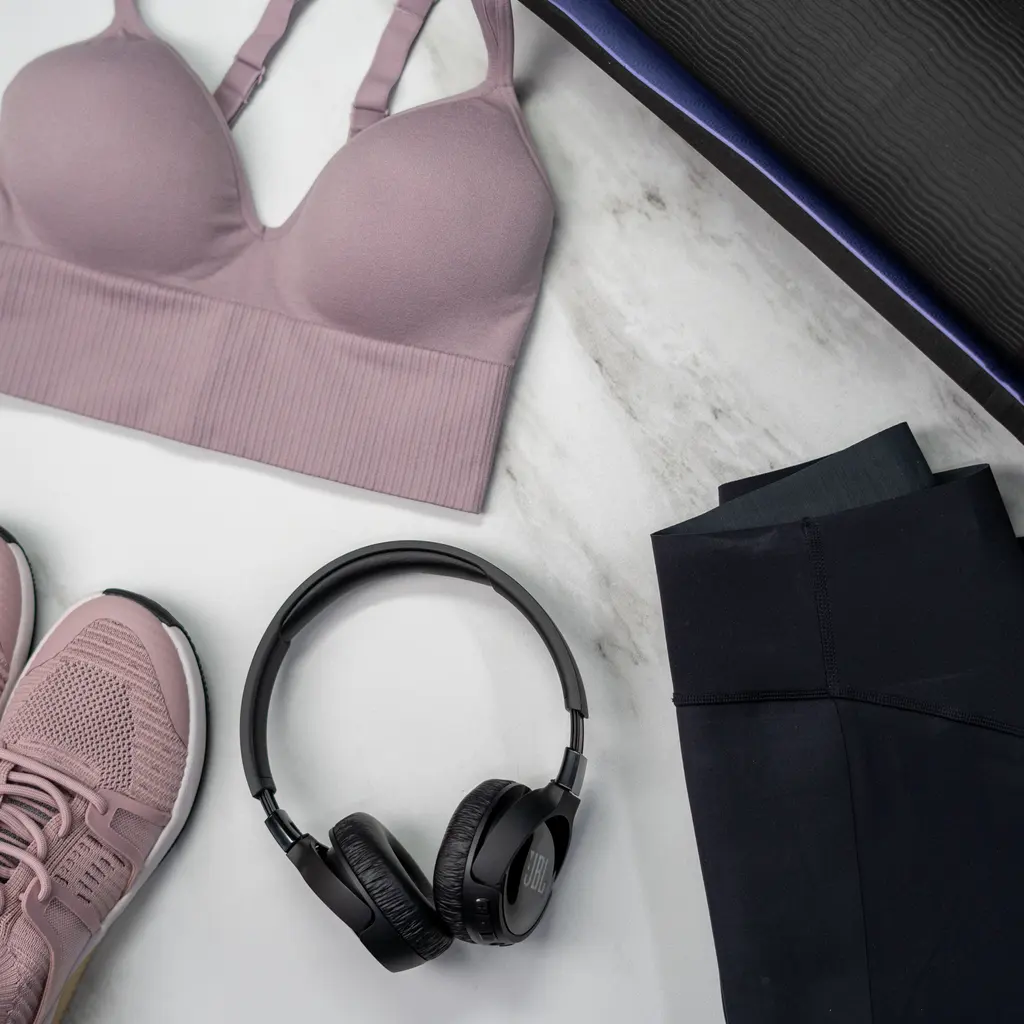
A sports bra and leggings arranged beside exercise accessories.

Industry overview

You design and sew performance wear, often using technical fabrics that may have antimicrobial or wicking claims. A skin-contact reaction or a performance-related disappointment can lead to claims, while your production relies on specific bonding and sewing equipment.

The Southern Agency can help you review your product performance claims, technical materials, and e-commerce operations to select appropriate insurance. We can discuss how to separate liability for garment-related injuries from cyber risks, production failures, and business interruption.

Risks worth discussing

Performance and advertising claims

Compression, support or moisture-wicking representations can be challenged when customers say the garment did not deliver. A refund or false-performance allegation without injury or property damage is not the same claim as a skin injury.

Skin reactions from fabric finishes

A wearer may allege a fabric or finish caused irritation. Record the treatment, supplier, affected product, and batch; the allegation and policy terms determine the liability review, not the presence of a technical-fabric label alone.

E-commerce data and platform exposure

An online store can expose customer or payment data or stop taking orders after a security incident. Identify the systems and providers involved; ordinary platform downtime and a covered cyber event may be treated differently.

Inventory and seasonal demand swings

Fabric and finished-stock values can rise before a launch or seasonal selling period. A fire or other insured loss at that point can leave a larger replacement and income exposure than off-season figures show.

Production equipment dependence

A cutting, sewing or seam-bonding machine failure can hold up a scheduled release. The cause of failure, repair time, and insured income terms matter; a missed launch by itself does not prove a covered machinery event.

Worker injuries on production lines

Line operators face needle and cutting injuries, handling and repetitive tasks. Describe cutting, sewing, bonding, and finishing duties and any heat or chemical work actually performed.

Situations to think through

These hypothetical examples are not agency claim results. Whether a loss is covered depends on the facts, policy terms, and applicable exclusions.

  1. Hypothetical: Skin irritation allegation

    A customer alleges an antimicrobial-treated top caused a rash. Product liability may address covered defense or damages if the product, use and injury allegation fit the policy. Paying an injury claim and replacing or withdrawing other tops are separate questions.

  2. Hypothetical: Online store data breach

    The brand’s e-commerce site is breached and customer payment data is exposed. Cyber coverage may address eligible forensic investigation and required notification after a covered incident, subject to reporting, consent, and other terms. Which party holds the data and the provider arrangements matter.

  3. Hypothetical: Bonding machine failure

    A seam-bonding machine fails before a scheduled product drop, delaying production and sales. Equipment breakdown may address eligible repair if the cause is an insured internal event. Any income extension has separate waiting and restoration terms; missed launch revenue, delivery penalties, and future demand are not all promised benefits.

Before you talk to an agent

What to have ready

Tick items as you gather them. Nothing here is saved or sent.

Questions to raise

  • Compare alleged skin injury with a refund or claim that compression, moisture-wicking, or another benefit failed to meet the advertised promise. Advertising-injury cover has defined offenses and quality and performance exclusions.
  • Describe treated fabrics and who specifies, applies, and tests the finish. Match the insured products and uses to those supplied rather than rely on a generic apparel description.
  • Map the storefront, payment processor, customer records, and service dependencies. Check which incidents and providers any cyber interruption extension insures.
  • Use seasonal and launch-period stock values and locations, not just off-season averages. Check any proposed reporting or peak-season arrangement and its conditions.
  • Estimate bonding or sewing repair lead times and the affected income, then separate insured restoration from a promised drop date or buyer delay penalty.

Contract terms to check

  • Identify responsibility for fabric specifications, treatments, tests, labels, and advertised benefits in supplier and finishing agreements. Separate injury liability from refunds, rejected stock and a promise that a garment will achieve a stated result.
  • Review platform and payment-provider agreements against the cyber policy’s insured systems, incident, and service-provider terms; using a hosted storefront does not settle which losses or response costs are insured.
  • Compare buyer limits, additional-insured status, and indemnities with the policy and endorsements. A certificate does not expand cover or insure every vendor promise.
  • Separate launch dates, delivery penalties, and replacement obligations from the terms for covered equipment repair and income loss. Recall or withdrawal costs also need their own grant and trigger.

What the agent conversation looks like

Start with the work you do and the questions your current policies leave unanswered. Carrier options depend on your location, risk, and underwriting. Explore our approach.

  1. ListenReview your operations, current coverage, and past claims.
  2. AssessIdentify potential hazards and discuss ways to reduce risk.
  3. BuildDiscuss policy and carrier options, premium costs, and audits.
  4. SupportReview changes and help you plan ahead as your needs develop.

Questions owners ask

Can marketing our performance benefits create risk?

Yes. Keep a claim that a garment caused bodily injury separate from a claim that compression, support, or moisture management fell short. Product liability does not establish cover for a refund or financial-only performance dispute. General liability advertising injury has defined offenses and exclusions, including quality and performance restrictions; compare the actual allegation and proposed terms.

Do we need cyber coverage for our online store?

Map the data and systems you control and the storefront and payment providers used. Cyber coverage may address a covered breach, specified liability and response costs, with interruption only as provided. Check the insured events, providers, reporting, waiting periods, and limits; outsourcing payment processing does not by itself answer those coverage questions.

Are skin reactions to our fabrics covered?

A covered injury allegation involving an insured garment or treatment may qualify for defense or damages. Identify the finish, supplier, intended use, batch, and testing records, then check product and activity restrictions. A rash allegation, replacing your own stock and withdrawing other garments involve different terms; a performance-only complaint is not turned into injury by the product-liability label.

How do we insure inventory during peak seasons?

Calculate raw-fabric, work-in-process and finished-stock values through the seasonal or launch cycle at each location. Compare valuation and limits with those peaks. If reporting or peak-season options are offered, check their dates and reporting conditions rather than assume an off-season limit rises when stock arrives.

What if production equipment fails before a drop?

Repair may qualify if the failure is an insured internal mechanical or electrical breakdown. Included income coverage depends on its cause, affected operations, waiting period, and restoration terms. Separate the estimated insured loss from a promised drop date, late-delivery penalty, or optimistic forecast of future launch sales.

Do retail partners require certain coverage?

A retail or wholesale buyer may request minimum limits, additional-insured status, and indemnities. Bring the actual agreement and compare it with the policy and endorsements, including any withdrawal or delivery promises. A certificate does not amend coverage or confirm that every requested term is insured.

Talk through your sportswear and activewear producer coverage

Bring your questions, current policies, and relevant contracts. An agent can review coverage terms, exclusions, and the information carriers ask for, then explain the options available to you.

How can we help you get started?

Choose the quote that fits, and we’ll take it from there.

Have a question? Contact us