

Sulfuric acid and electrolyte release
Spills or leaks of acidic electrolyte can cause corrosion, injury, and environmental contamination requiring cleanup and regulatory response.
Try a different word, or check the spelling.
Your metal records may need to distinguish customer copper from your own stock and any gold or silver recovered. Crime and property terms should fit those interests, with assay evidence and unexplained shortages considered separately.
The Southern Agency can help you review your specific chemical exposures, metal ownership and machinery breakdown risks.
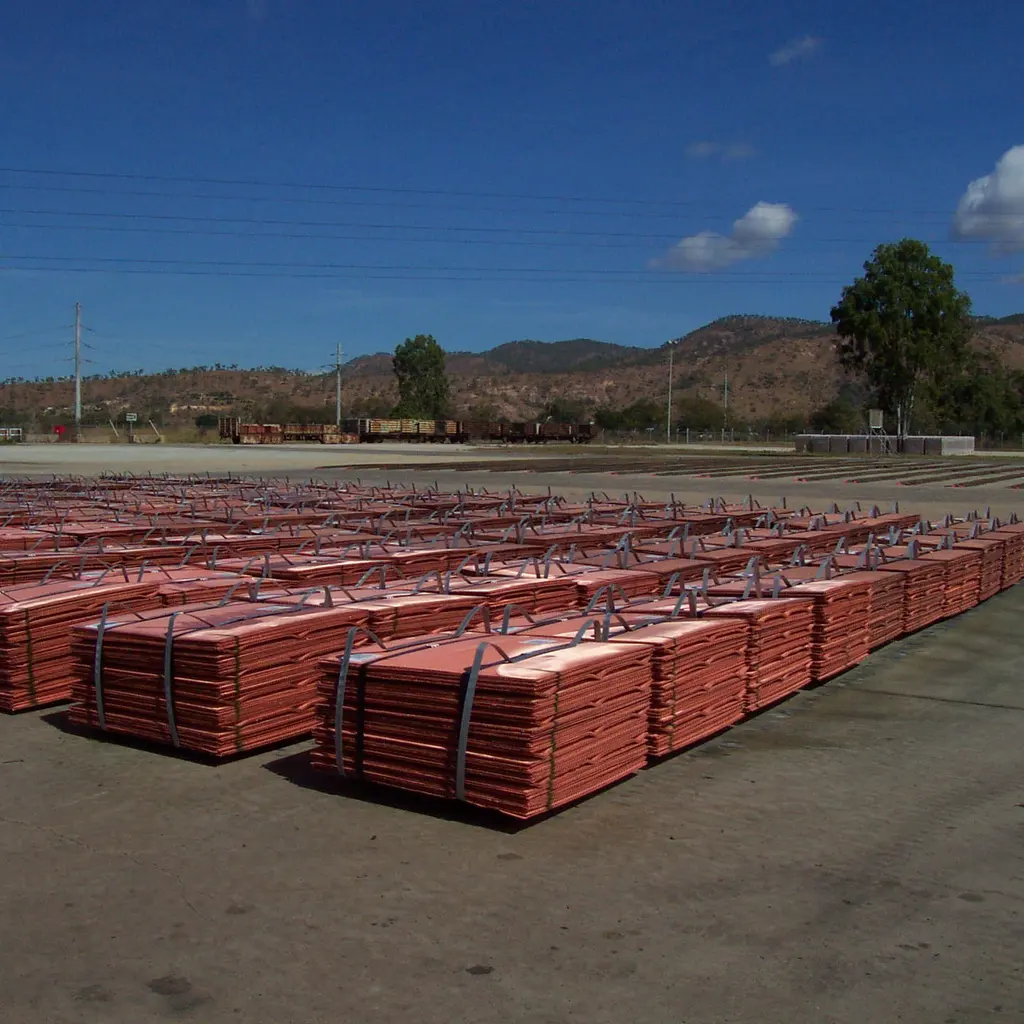
Your refining operations involve corrosive chemicals, molten metal and high-voltage systems that expose your staff to severe hazards and the environment to potential releases. A mechanical failure in your electrolytic cells or rectifiers can halt production and strand valuable work in progress.
The Southern Agency can review your refining processes and chemical handling to help you choose insurance for your facility. We can discuss coverage for property damage, environmental liability, and the potential for theft of precious metals on-site.
Spills or leaks of acidic electrolyte can cause corrosion, injury, and environmental contamination requiring cleanup and regulatory response.
Where gold or silver is recovered, those byproducts add theft exposure alongside valuable copper held for the refinery or customers. Employee and outside theft differ from unexplained inventory shrinkage.
Failure of rectifiers, electrolytic cells, or furnaces can halt refining and strand valuable work in progress.
Fire refining and anode casting involve high heat and molten metal, posing burn and explosion risks to workers.
Acidic discharges, sludges, and emissions create environmental liability subject to permitting and regulatory oversight.
Employees face acid burns, electrical hazards, and heat exposure across the tankhouse and casting areas.
Policies to ask about. Which ones fit depends on your operations, your contracts, and the carrier’s forms.
These hypothetical examples are not agency claim results. Whether a loss is covered depends on the facts, policy terms, and applicable exclusions.
An acidic electrolyte line fails and the spill reaches a containment failure point. Environmental liability may respond to cleanup, depending on the policy and loss facts. Check the acid, site and release included, prior conditions, consent, reporting and cleanup terms. Containment failure alone does not assure payment for every remediation cost or fine.
Recovered silver is found missing during reconciliation. Crime insurance may respond, subject to the policy, endorsements, and investigation findings. Missing silver alone is not proof of theft. Check the metal and owner included, the event and evidence, discovery, assay, valuation, and inventory-shortage exclusions.
A rectifier failure stops plating across the tankhouse and strands work in progress. Equipment breakdown may help with repair and lost income, depending on the policy. Compare the internal event with corrosion and wear provisions and review insured metal and work in progress and the income and restoration terms purchased. Stranded loads and metal-return promises are separate questions rather than assured payments.
Start with the work you do and the questions your current policies leave unanswered. Carrier options depend on your location, risk, and underwriting. Explore our approach.
Identify copper, slime and precious-metal ownership and values; not every refiner recovers the same metals. Check the theft events, people and property included, discovery, assays, and proof, and limits. Reconciliation shrinkage alone is not proof of insured theft or payment at the full contractual metal-return value.
Sulfuric acid, electrolyte, sludges, and emissions create pollution risk. Environmental liability may help address cleanup and claims, depending on policy terms and operations.
Property coverage addresses physical loss, while equipment breakdown may help when rectifiers, cells, or furnaces fail, including resulting downtime, subject to policy terms.
Workers' compensation may respond to qualifying employee injuries from acid, electrical and heat hazards. Requirements, covered workers and benefits depend on applicable state rules and the duties performed.
Compare actual injury and third-party liability scenarios and customer requests with the underlying and excess terms included and when the excess layer begins. An ordinary umbrella does not automatically add pollution cleanup, owned or entrusted-metal property, theft or commodity-trading benefits.
Underwriters weigh capacity, metal values, containment controls, equipment redundancy, emissions management, payroll, and loss history, each subject to policy terms.
Bring your questions, current policies, and relevant contracts. An agent can review coverage terms, exclusions, and the information carriers ask for, then explain the options available to you.