

Shredder and baler fires
Fuel residue, lithium batteries or sealed containers entering processing can cause fire or pressure hazards around shredders, balers, and stockpiles.
Try a different word, or check the spelling.
Your scale-house records help track cash purchases and valuable metals as stock and prices change. Crime and property protection should distinguish proven theft or a break-in from an unexplained shortage or a drop in scrap value.
The Southern Agency can help evaluate your recycling plant's specific environmental and operational hazards.
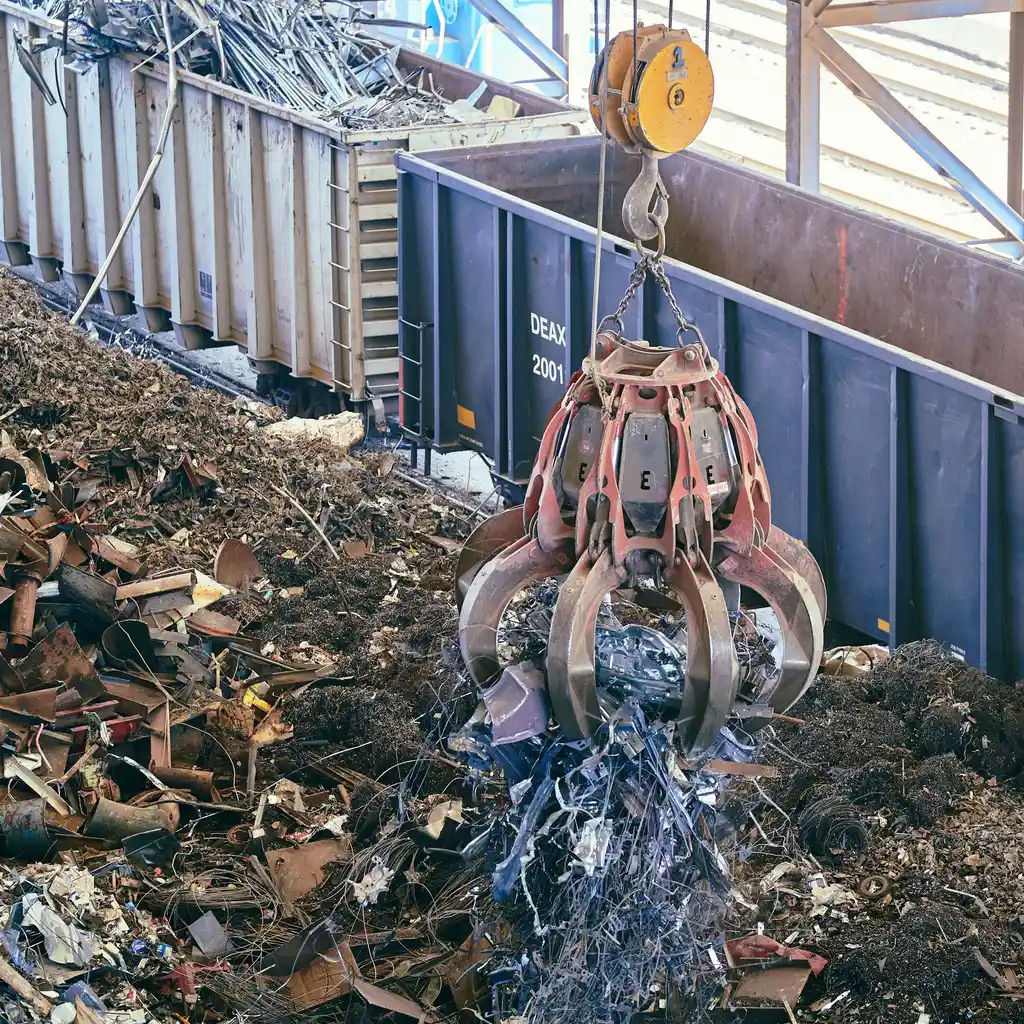
You operate a recycling facility that buys, shreds, and bales various metals for industrial use. The diverse inbound materials, from vehicle fluids to sealed containers, present significant fire, pollution, and mechanical safety risks.
The Southern Agency can review your site operations and safety protocols to help select appropriate insurance. For example, we can help you differentiate between the coverage for a shredder fire and the separate requirements for pollution cleanup or commodity price fluctuations.
Fuel residue, lithium batteries or sealed containers entering processing can cause fire or pressure hazards around shredders, balers, and stockpiles.
Material handlers, magnet cranes, and loaders can strike sellers or workers, drop loads, or overturn. Map pedestrian and machine routes.
Fluids, metals, and residues can reach soil or stormwater. Identify accepted material, site conditions, and handling duties with qualified environmental advisers.
Copper, brass, converters, and cash purchases warrant access and transaction records. Distinguish an outside break-in, employee theft, and unexplained shortages.
Road hauling creates vehicle liability and physical-damage questions separate from ownership, valuation, and loss of the scrap carried.
Public and commercial sellers can encounter moving equipment, falling material, and slips around the scale house and buying area.
Changing quantities and prices affect peak stock values and valuation. A fall in commodity price differs from covered physical damage.
Policies to ask about. Which ones fit depends on your operations, your contracts, and the carrier’s forms.
These hypothetical examples are not agency claim results. Whether a loss is covered depends on the facts, policy terms, and applicable exclusions.
An undetected lithium battery ignites in the shredder and fire reaches a scrap pile. Identify the fire cause, damaged machine and stock owners, locations and values. Compare fire damage with internal-failure terms. Any income claim depends on the extension purchased and the covered interruption period.
Thieves break in and remove stockpiled converters and copper. Preserve purchase, ownership, inventory, and break-in evidence. Compare property theft and purchased crime events, security conditions, valuation, and limits; the metal’s market value and the insured loss amount can differ.
Inspectors find metal-laden runoff leaving the yard after a storm. Identify the material, release, location, and prior conditions, then check cleanup, claim or discovery triggers, consent and reporting. A citation does not itself establish insured remediation, regulatory defense or fines.
Start with the work you do and the questions your current policies leave unanswered. Carrier options depend on your location, risk, and underwriting. Explore our approach.
Start with accepted materials, public buying, processing equipment, metal ownership, and trucks. Review property, mobile equipment, liability, pollution, employee injury, and theft as separate interests. The right parts and available terms depend on the declared operations, not the yard name.
Identify each machine, attachment, owner, value, and yard or road use, and distinguish stationary balers from mobile equipment. Compare the property and equipment parts for collision, theft, and internal failure. Damage to scrap or injury caused by the machine requires separate terms.
Inbound batteries, residual fuel, and sealed containers can introduce fire or pressure hazards; cutting adds hot work. Bring load-screening, fire-protection, maintenance, and loss records. Review covered fire damage separately from internal breakdown and purchased income terms. The cause, limits and conditions still govern a claim.
Accepted scrap, fluids, and residues can create soil and runoff exposure. Bring site history, drainage and handling information and review releases, cleanup, third-party claims, prior conditions, consent, and reporting. Permits, routine controls and fines are not funded simply because environmental insurance is held.
Establish whether the evidence shows an outside theft, employee theft, payment fraud, or only a shortage. Review the metal and cash, owners and events included, discovery, proof, valuation and limits, coordinating property and crime terms. Missing stock alone does not prove insured theft.
Bring peak quantities, current metal values, purchase records, and buyer valuation agreements for the insurer to review. Compare the policy’s valuation and limits with changing stock. Price decline, lost trading margin and a mill rejecting a load are different from covered physical stock loss.
Bring your questions, current policies, and relevant contracts. An agent can review coverage terms, exclusions, and the information carriers ask for, then explain the options available to you.