

Molten metal burns and explosions
Handling molten copper, aluminum, or lead exposes workers to severe burns and steam explosions when water or damp scrap contacts a hot melt.
Try a different word, or check the spelling.
Your metal can fall short on assay or change market value without suffering physical damage. Property and product terms should distinguish those commercial issues from a covered loss, with the actual refining route and toll interests considered.
The Southern Agency can help you coordinate your refinery's liability, property, and environmental coverage based on your unique processing methods.
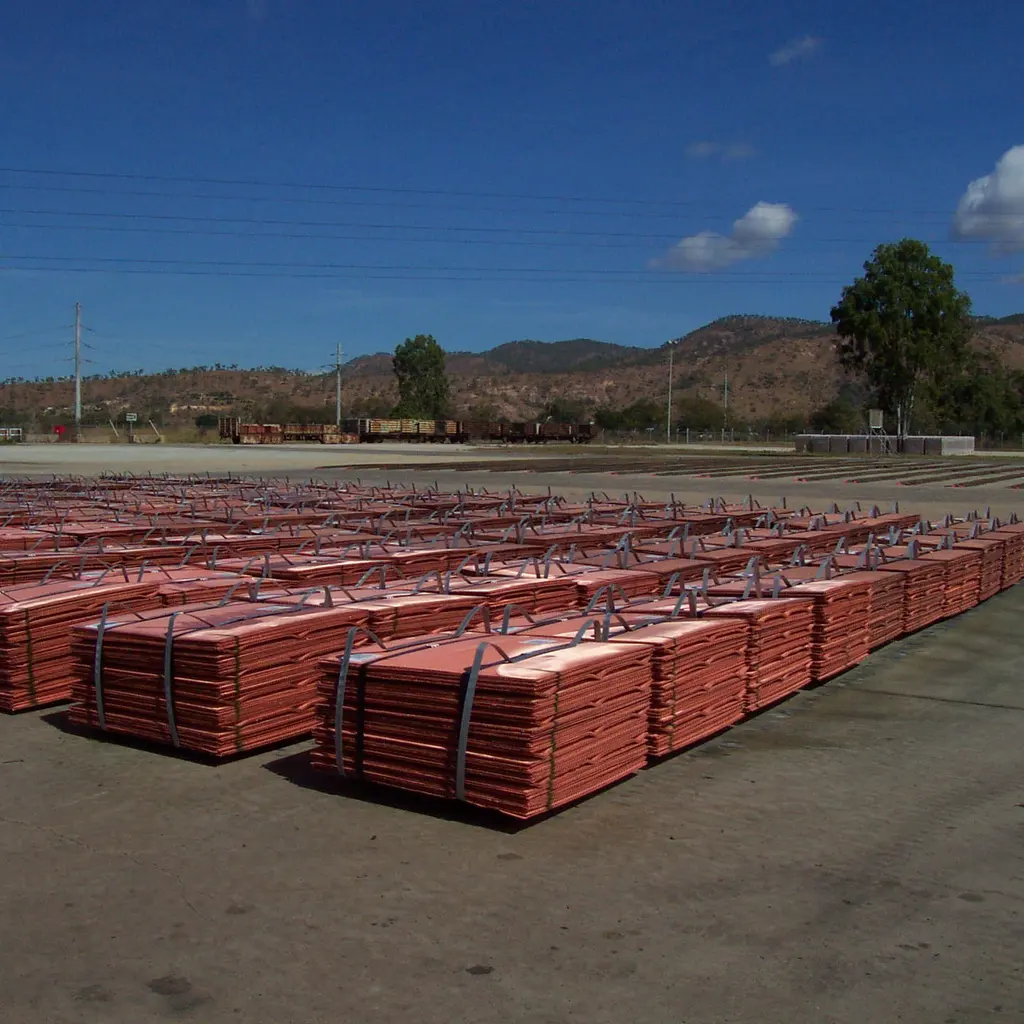
Your refinery processes metals through smelting, acid leaching, or electrolytic cells, creating potential hazards from molten baths, corrosive solutions, and high-energy equipment. A purity shortfall in your cathode or alloy can result in downstream disputes.
The Southern Agency can review your specific feedstock, chemistry, and toll arrangements to help select appropriate insurance. For example, we can help you distinguish between coverage for third-party property damage and the specific commercial terms for remelting or purifying off-spec metal.
Handling molten copper, aluminum, or lead exposes workers to severe burns and steam explosions when water or damp scrap contacts a hot melt.
Identify emissions and residues from the metals, feed, and smelting or leaching route used. Acid or metal-bearing releases can affect air, soil, or groundwater, but not every refining process generates the same sulfur or metal pollutants.
Failure of a smelting furnace, electrolytic rectifier, or casting machine can stop continuous processing and ruin in-process metal.
Electrolytic refining and hydrometallurgical leaching use strong acids that pose burn, inhalation, and spill hazards across the plant.
Cathode, ingot, or alloy that falls short of purity or composition specs can cause downstream losses for fabricators and casters.
Assess the particular metal fines, fuels, and reductants present. Combustibility depends on material and form; bulk metal and every refining residue should not be treated as the same dust-explosion hazard.
Because refining runs continuously, a breakdown or fire in one critical unit can idle the whole plant and stall metal commitments.
Policies to ask about. Which ones fit depends on your operations, your contracts, and the carrier’s forms.
These hypothetical examples are not agency claim results. Whether a loss is covered depends on the facts, policy terms, and applicable exclusions.
Damp scrap charged into a molten bath triggers a steam explosion that injures crew and damages the furnace. Workers' compensation and property coverage may respond, depending on policy terms and the facts of the incident. Review employee injury, furnace damage and metal-stock interests separately; neither a steam explosion nor severe injury determines the response of every policy.
Regulators identify heavy-metal seepage from a leaching area into nearby groundwater. An environmental liability policy may respond to investigation and cleanup costs, subject to the specific policy, endorsements, and exclusions. Check the site, prior-condition, pollution, investigation, cleanup, and reporting terms; discovery by a regulator alone does not establish payment.
A batch of cathode ships below the agreed purity and disrupts a fabricator’s production. Identify any injury or damage to other property and whether production can resume by replacing or remelting the metal. Review product, impaired-property, and contract terms; purity adjustments, your own cathode and customer downtime are not established benefits merely because a claim is made.
Start with the work you do and the questions your current policies leave unanswered. Carrier options depend on your location, risk, and underwriting. Explore our approach.
Identify the metals, feedstock, and smelting or leaching route rather than assuming identical emissions at every refinery. Review the actual sites, pollution conditions, prior contamination, cleanup, and third-party claims covered. Routine waste treatment, permits and fines are separate from an insured release.
Review employee burns separately from damage to the furnace, surrounding property, and in-process metal. Water contacting molten metal can cause a violent incident; describe feed and moisture controls with qualified safety advisers. Check covered causes and refractory or process terms rather than treating all melt incidents as insured breakdown.
Review the covered internal furnace, rectifier, or casting failure, including corrosion, wear, refractory and molten-material provisions. Check the stock and income extensions purchased and realistic restart time. A ruined batch or a production outage alone does not establish payment.
Identify any injury or damage to other property and how the off-spec metal affected the customer. Own-metal remelting, assay or price adjustments, rejected shipments and an undamaged fabricator’s production delay are different costs. Review product, impaired-property, and contract terms; a purity complaint alone does not establish coverage.
Business income coverage may respond when a covered breakdown or fire halts continuous refining, helping with lost earnings, depending on policy terms and exclusions.
Underwriters weigh metals processed, furnace capacity, emissions controls, stored metal value, and loss history. Not every refinery needs the same policies or limits.
Bring your questions, current policies, and relevant contracts. An agent can review coverage terms, exclusions, and the information carriers ask for, then explain the options available to you.