

Product failure causing injury
A chair, bed rail, or bench that fails under normal institutional use can injure students, patients, or staff and lead to product liability claims.
Try a different word, or check the spelling.
Your school or hospital bid can ask for a bond and insurance, but those documents serve different obligations. The actual solicitation should guide the review without treating delivery penalties, rejected furniture or principal indemnity as insured liability.
The Southern Agency can help you address the product and contract-related risks of building institutional-grade furniture.
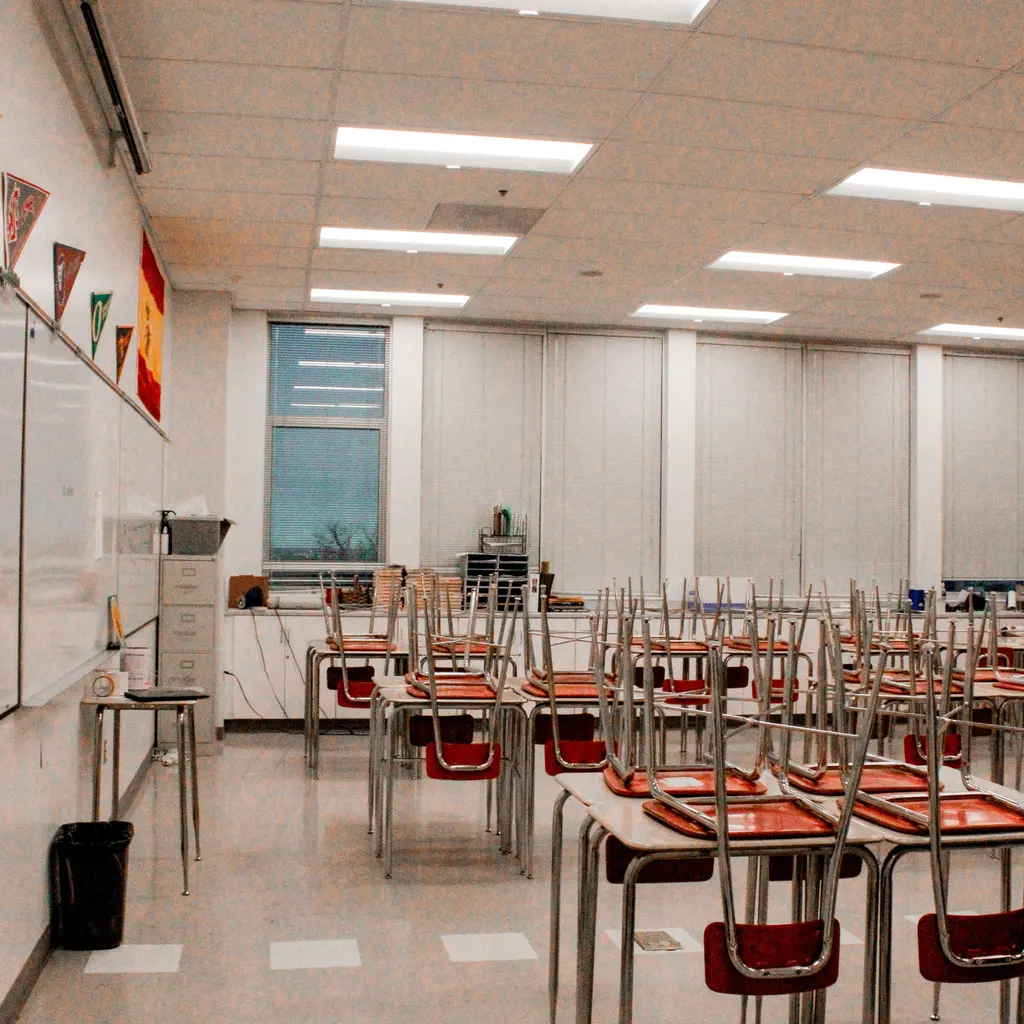
Your business builds casework and furniture for demanding environments like schools and hospitals. A structural failure can cause injury to public users, and your large contracts often involve specific insurance and bond requirements.
The Southern Agency can review your manufacturing process and contract obligations to help you select appropriate insurance. For example, we can compare how your liability coverage applies to finished-work injury versus the specific performance obligations in your public bids.
A chair, bed rail, or bench that fails under normal institutional use can injure students, patients, or staff and lead to product liability claims.
Failing to meet fire-rating, chemical-resistance, or accessibility specs can trigger rejected lots, rework, and breach-of-contract exposure.
Wood dust, finishes, and combustible materials combined with machinery create significant fire and explosion exposure in the factory.
Read the actual institutional solicitation and bid/performance/payment bond and insurance request. Requirements, qualification, capacity, and principal indemnity need individual review; the public buyer alone does not establish them.
A failure of CNC routers, panel saws, or finishing lines can stall a contract and expose the builder to delivery penalties.
Cutting, edge-banding, welding, and assembly operations expose workers to lacerations, crush injuries, and respiratory hazards.
Policies to ask about. Which ones fit depends on your operations, your contracts, and the carrier’s forms.
These hypothetical examples are not agency claim results. Whether a loss is covered depends on the facts, policy terms, and applicable exclusions.
A batch of student chairs fails at a weld and a user is injured. Product liability coverage may respond to the claim and defense costs, depending on policy terms and the facts of the incident. Review actual user injury and accepted product/install terms, distinct from replacing all chairs or correcting a rejected weld specification.
A finishing operation ignites and damages the plant and a contracted order in process. Property coverage may help with repairs and replacement, subject to the specific policy, endorsements, and exclusions. Check covered fire cause, ownership/value of contracted work and purchased income terms; deadline penalties and bond obligations are separate.
A delivery dispute on a school district contract prompts a bond claim. A surety relationship may respond to the obligee, with the builder responsible for indemnity, depending on the bond terms. Read actual bond trigger, obligee remedy, and principal indemnity duties; a delivery allegation alone does not establish payment or reimbursed loss to the builder.
Start with the work you do and the questions your current policies leave unanswered. Carrier options depend on your location, risk, and underwriting. Explore our approach.
A failed chair weld, bed rail or bench can injure users. Review product and installation scope, injury or other-property facts and exclusions separately from replacing furniture, correcting specifications or satisfying a warranty.
Read the solicitation with applicable legal advice; institutional furniture purchases do not all have the same bond duty. Compare requested bid, performance or payment obligations, qualification, capacity and principal indemnity. A bond is not the builder's first-party reimbursement.
Bring the buyer's limits, additional-insured request, and indemnities. Compare issued endorsements, product and installation scope and exclusions. The contract and certificate do not establish all requested cover or the ability to meet every condition.
Compare covered internal failure of routers, saws or finishing equipment, repair and restart time and purchased income terms. The builder's insured interruption differs from a buyer's delay demand, contractual penalty, performance guarantee, or bond claim.
Assess actual wood dust, metalwork and finishing chemistry, stock arrangement and controls with qualified advisers. Compare accepted property causes, values, and restoration terms; controls or a contract order alone do not guarantee coverage.
Describe cutting, edge banding, welding, assembly, delivery, and installation duties under applicable state employee classifications and requirements. Benefit eligibility follows qualifying facts and state rules, not the institutional buyer label.
Bring your questions, current policies, and relevant contracts. An agent can review coverage terms, exclusions, and the information carriers ask for, then explain the options available to you.