

Loss of irreplaceable work in progress
A fire or water loss can destroy weeks of custom millwork made to unique specifications that cannot be quickly remade, magnifying the impact.
Try a different word, or check the spelling.
Your stair or casework can remain on an active jobsite after your crew has finished fitting it. Protection for installed work needs attention at completion, not just project closeout, alongside the value of bespoke work still in your shop.
The Southern Agency can help you review coverage for your shop operations, valuable raw materials and onsite installation projects.
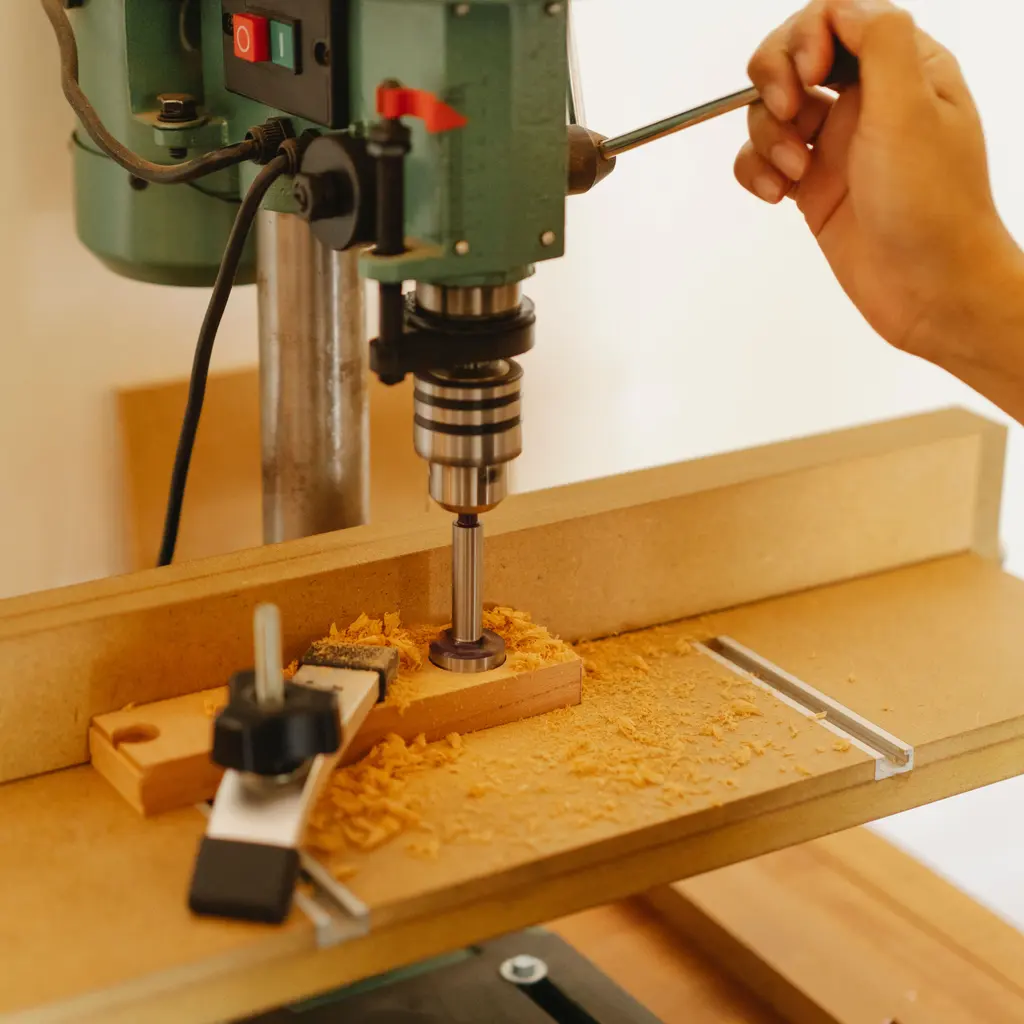
You produce bespoke architectural woodwork like stairs, moldings, and casework that you install in buildings under construction or renovation. A fire in your shop can destroy weeks of fabrication, or an onsite installation incident can damage your project and expose you to liability.
The Southern Agency can review your shop production and field installation duties to help select appropriate insurance. For example, we can examine how your policy covers work in progress against fire while also addressing the liability requirements often set by general contractors for your onsite work.
A fire or water loss can destroy weeks of custom millwork made to unique specifications that cannot be quickly remade, magnifying the impact.
Installing trim, stairs, and casework in active construction zones exposes crews to injury and the project to damage during fitting.
Finished millwork installed but not yet accepted can be damaged by other trades, weather, or site conditions before the project closes out.
Specialty hardwoods, veneers, and hardware represent significant inventory value vulnerable to fire, theft, and moisture damage.
Shapers, planers, sanders, and finishing create amputation and fire exposure from sawdust and solvent-based finishes.
General contractors often require specific liability limits and additional-insured status before millwork can be installed on a project.
Policies to ask about. Which ones fit depends on your operations, your contracts, and the carrier’s forms.
These hypothetical examples are not agency claim results. Whether a loss is covered depends on the facts, policy terms, and applicable exclusions.
A shop fire destroys a nearly finished set of custom paneling for a hotel lobby. Commercial property may help, depending on the policy and work-in-progress valuation. Check the covered fire cause and location, ownership and valuation of material and labor, and purchased income protection. Near completion alone does not insure the full sales price.
Finished casework installed at a job site is damaged by another trade before project handover. Inland marine or installation coverage may respond, subject to the policy and exclusions. Check project and installation interests, covered participants, the cause, valuation, and deductible and acceptance, occupancy, and end dates. Other-trade damage alone is not proof that every commission is insured.
A custom staircase is alleged to have failed after the project closed. Product and completed-operations coverage may respond to defense and damages, depending on the policy and facts. Establish any injury or damage to other property and check stair, design, and completed duties included, own-work, professional, and contract terms. A failed stair alone does not insure its replacement.
Start with the work you do and the questions your current policies leave unanswered. Carrier options depend on your location, risk, and underwriting. Explore our approach.
Document materials, ownership, accumulated labor, work in progress, and commission value. Compare covered causes and locations with the valuation basis and limits. Irreplaceable effort, contract price, future profit and installed or off-site interests are not automatically the same insured amount.
When millwork is installed as part of a building under construction, builders risk or installation coverage may help. The right approach depends on the contract and project structure, subject to policy terms.
Identify the actual project policy, covered participants, and millwork owner, the other-trade cause, location, valuation and deductible. Check acceptance, occupancy, and end dates. Installed but unaccepted status alone does not establish every installation or builders' risk benefit or full commission value.
Bring the contractor's limits, additional-insured, indemnity, and project-property requests and compare them with included duties and issued endorsements. Contracts and certificates do not amend the policy, prove availability or guarantee every commissioned property, design or redo obligation.
Yes. A claim that installed millwork failed can arise after handover. Product and completed-operations coverage may respond, depending on the policy in force and its terms.
Inland marine coverage may help protect tools and finished millwork in transit and at job sites, depending on policy terms and the circumstances of the loss.
Bring your questions, current policies, and relevant contracts. An agent can review coverage terms, exclusions, and the information carriers ask for, then explain the options available to you.