Skip to content

Structural Steel Fabricator Insurance

Supplying your beams and erecting them on site create different duties for lifting, connections, and completed work. Liability and project-property terms should follow the role you actually take, while a requested bond remains a separate obligation.

Start with your supply-only, delivery and erection work split, plus a customer's insurance requirements for the next project.

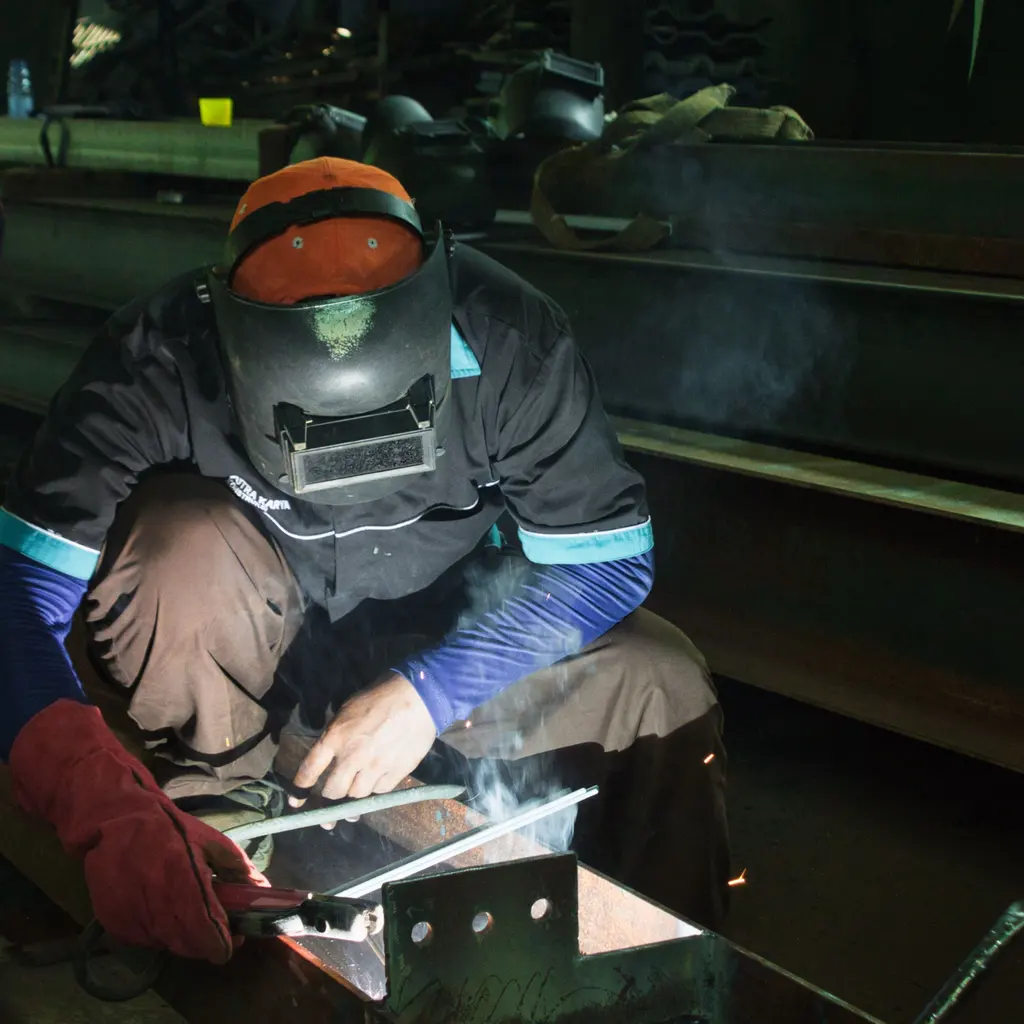
Welder in a protective hood joining a structural steel member inside a fabrication workshop.

Industry overview

You fabricate steel beams and columns for construction projects, performing drilling, welding, and possibly on-site erection. A connection allegation or a dropped load can lead to claims, while fabrication errors can delay a project.

The Southern Agency can review your fabrication, delivery and any erection work to help you compare insurance. We can discuss liability for supplied steel or completed field work alongside shop property and transit protection, keeping design obligations and project bonds separate.

Risks worth discussing

Structural failure from fabrication error

A fabricated member or connection can be alleged to fail during or after erection. Identify actual injury, other damage or loss of use separately from correcting the member and financial project claims; the defect alone does not settle the liability response.

Shop welding and crane injuries

Shop cutting, welding and overhead handling create burn, crush, and dropped-load hazards. Describe fitters, welders, crane operators, and maintenance duties, with field crews identified separately if the shop also erects.

Transit damage to fabricated steel

Long beams and columns may be damaged in a road accident or while being loaded, unloaded, or staged. Vehicle damage, liability to other road users and the interest in the steel are different loss questions.

Jobsite and erection liability

Supply, site coordination, and actual erection create different responsibilities. Identify who controls lifting, connections, and installation, and whether the claim arose from ongoing work, completed work, or a supplied product.

Bonding and contract requirements

A particular owner or procurement document may require bonds, limits, or additional-insured endorsements. Missing an actual requirement can affect eligibility, but larger or public work does not establish one universal bond or insurance rule.

Shop equipment breakdown

A saw, drill line or welding-equipment fault can stop fabrication and delay deliveries. Repair, the fabricator’s eligible income loss and customer delay penalties require different terms; normal wear or a missed deadline is not proof of insured breakdown.

Fire from cutting and hot work

Plasma cutting, grinding and welding generate sparks and hot material that can ignite nearby combustibles. Describe the actual hot-work and fire safeguards, along with the shop, equipment, and steel interests exposed.

Situations to think through

These hypothetical examples are not agency claim results. Whether a loss is covered depends on the facts, policy terms, and applicable exclusions.

  1. Hypothetical: Connection defect alleged on a project

    During erection, a connection is alleged to be defective, and the buyer demands correction and compensation for project delay. Replacing or repairing the connection differs from liability for covered injury, other-property damage or qualifying loss of use under GL. A manufacturers E&O form, if offered for this work, may address eligible customer financial liability; it is not proof the fabricator’s own weld correction or every delay demand is insured.

  2. Hypothetical: Beam damaged in transit

    A long beam is damaged in a road accident on its way to a project. Cargo or inland marine protection may address eligible damage to the insured steel interest on that trip. Business auto separately addresses covered vehicle liability or purchased truck damage; it is not proof that the beam or the project delay will be paid.

  3. Hypothetical: Bond required for a public job

    A particular public project requires performance and payment bonds before award. Failure to obtain its specified bonds can prevent the fabricator from proceeding at that stage. The required issued bonds, subject to surety qualification and terms, are the relevant instruments; liability insurance or a certificate does not replace them, and bond issue does not guarantee award.

Before you talk to an agent

What to have ready

Tick items as you gather them. Nothing here is saved or sent.

Questions to raise

  • Separate supply-only fabrication, delivery, site coordination, erection, and subcontracted duties. Compare products, ongoing-work and completed-operations terms with the actual role and injury or damage timing.
  • Allocate responsibility for drawings, connection details, welding, testing, and acceptance. Distinguish correcting the fabricated member from injury, other-property damage, qualifying loss of use and a financial project demand.
  • Trace steel and equipment ownership through loading, transport, unloading, staging, and any erection. Review vehicle insurance separately from cargo and any installation or project-property terms, including acceptance and end conditions.
  • Bring requested liability limits, additional-insured wording, indemnities, and any excess layers. Compare issued terms rather than promise that every project requirement can be insured.
  • For a bond request, bring the required form, named obligee, amount, and deadline. Review surety qualification and indemnity separately from liability insurance; a bond does not assure contract award.

Contract terms to check

  • Identify who supplies the engineered drawings, details connections, fabricates, checks welds, delivers, and erects. Separate manufacturing to supplied drawings from independently sold engineering or design services; a professional or E&O form must accept the actual work and product role, with prior-acts and reporting checked if claims-made.
  • Compare owner or general-contractor limits, ongoing and completed-work requirements, additional-insured requests and indemnities with issued policy wording and endorsements. A certificate does not amend coverage, and matching terms may not be available.
  • Allocate ownership and risk during loading, transport, rigging, staging, and erection. Check the actual cargo or project-property participants, interests, locations, causes, and end dates; covering a truck or crane does not settle the steel carried or lifted.
  • Review connection correction, rejected members, removal, replacement, withdrawal, and delivery penalties separately from liability for injury or damage. Any manufacturers E&O financial-loss option needs the actual work and claim insured, not an assumption that it fulfills every guarantee.
  • Read any required performance and payment bond forms and indemnity before relying on a bonding arrangement. The surety assesses the principal and may seek reimbursement under an indemnity agreement; issuance and project award remain separate decisions.

What the agent conversation looks like

Start with the work you do and the questions your current policies leave unanswered. Carrier options depend on your location, risk, and underwriting. Explore our approach.

  1. ListenReview your operations, current coverage, and past claims.
  2. AssessIdentify potential hazards and discuss ways to reduce risk.
  3. BuildDiscuss policy and carrier options, premium costs, and audits.
  4. SupportReview changes and help you plan ahead as your needs develop.

Questions owners ask

Why does completed-operations matter for structural steel?

A connection or weld allegation may arise after your fabrication or installation work is complete. Determine whether you supplied only, also erected, or subcontracted work, when the work was complete and when injury or damage occurred. Product, ongoing-work and completed-operations provisions can differ; correcting your steel or satisfying a performance promise is not the same as covered resulting harm.

Do we need surety bonds?

A project may require performance and payment bonds at a specified stage. Read its procurement or customer documents for the form, parties protected, amount, and timing. Surety qualification and any indemnity are separate from insurance underwriting; issuing a bond does not guarantee project award.

How is steel covered while being hauled to a site?

Establish ownership, values and responsibility during loading, the road trip, unloading and staging. Cargo or inland marine may address eligible damage to steel on insured trips or locations. Business auto separately addresses covered vehicle liability and purchased vehicle damage; an outside carrier’s legal liability is not the same as direct protection for the beam.

What if we also erect the steel we fabricate?

Describe erection, connections, hired lifting equipment, and subcontractors as well as fabrication and delivery. Review product liability and ongoing or completed site-work terms alongside worker classifications. Check auto and mobile-equipment definitions for lifting equipment. Steel, equipment and property being worked on may need different terms; fabrication cover does not establish that every site activity is included.

Will project owners dictate our insurance?

An owner or general contractor may request limits, additional-insured status, and indemnities. Compare its written terms with issued policies and endorsements, including the ongoing and completed work they insure. Contracts and certificates do not expand cover, and some requested terms may be unavailable. Identify any obligations left outside the policies or bonds before agreeing to the contract.

Is equipment breakdown worth carrying?

Estimate the repair and restart needs of saws, drill lines, and welders, then compare eligible internal failures and any purchased stock, income, or extra-expense extensions. Waiting periods, restoration terms, and limits matter. Wear, maintenance, a stopped delivery and customer penalties are not all insured breakdown or delay costs.

Talk through your structural steel fabricator coverage

Bring your questions, current policies, and relevant contracts. An agent can review coverage terms, exclusions, and the information carriers ask for, then explain the options available to you.

How can we help you get started?

Choose the quote that fits, and we’ll take it from there.

Have a question? Contact us