

Finishing chemicals and fire
Solvent-based stains, lacquers, adhesives, and curing systems create significant fire and flash-fire exposure across the production line.
Try a different word, or check the spelling.
Your panel may be judged on its bond and specified flame-spread rating after it leaves the laminating line. Product terms should distinguish resulting damage from withdrawing or replacing panels, while presses and finishing releases need separate protection.
The Southern Agency can help you assess your plant’s production-line risks and the liability associated with your finished panels.
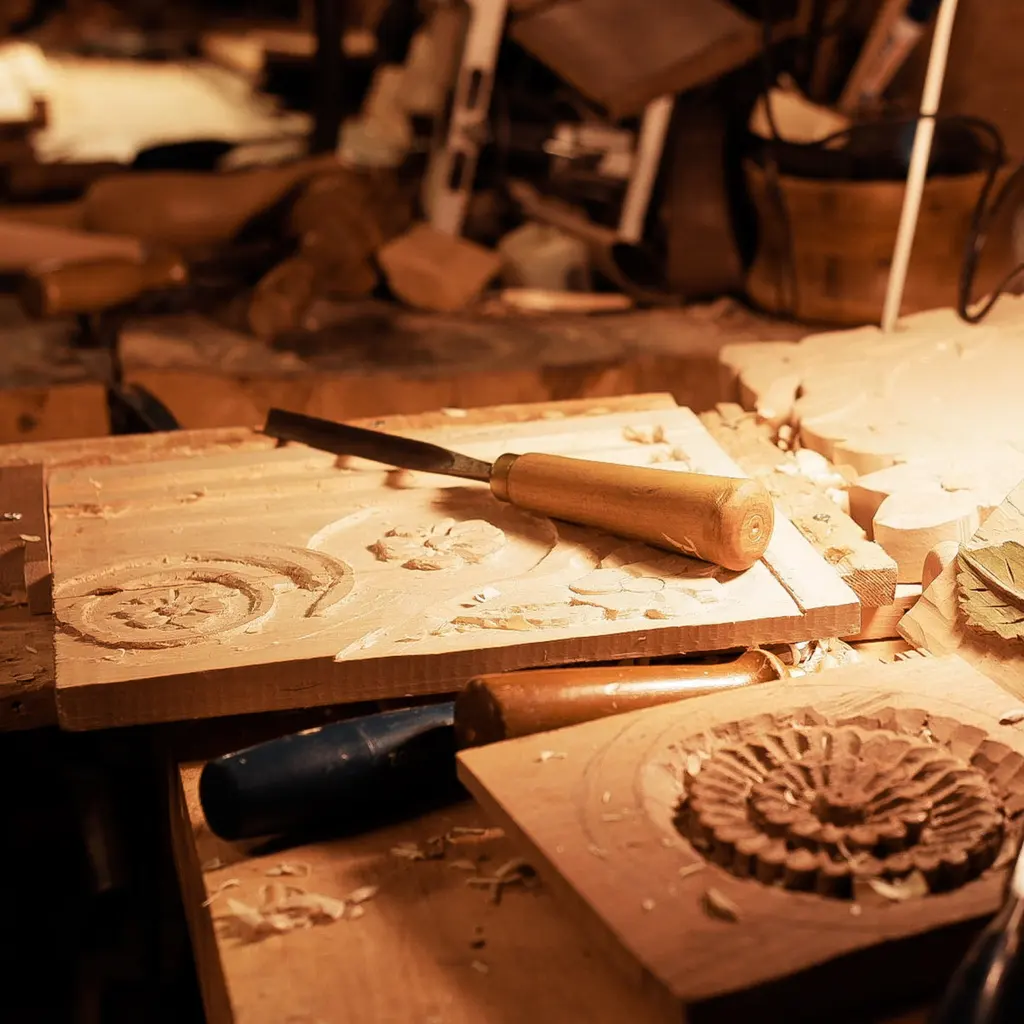
You press, laminate and finish panels for walls, furniture or other specified uses. Wood dust and any solvent-based finishes create plant hazards, while press failures can stop output. Delamination or a disputed flame-spread rating can also leave you facing removal and replacement demands.
The Southern Agency can review your plant’s high-volume finishing processes to help you choose insurance for your equipment and stock. For instance, we can discuss how equipment breakdown coverage may apply to your laminating presses alongside environmental liability for your waste handling.
Solvent-based stains, lacquers, adhesives, and curing systems create significant fire and flash-fire exposure across the production line.
Sanding and cutting generate fine dust that, if not controlled, raises fire and explosion risk in collection systems and the plant.
Solvent emissions and finishing waste create environmental exposure tied to air permits, storage, and disposal requirements.
Delamination or panels that fail to meet specified flame-spread or quality ratings can trigger product and recall-related claims.
Hydraulic presses, laminating lines, and coating systems are central to throughput, and a breakdown can halt high-volume production.
Large stocks of finished panels concentrate value that fire, smoke, or water could damage before shipment.
Policies to ask about. Which ones fit depends on your operations, your contracts, and the carrier’s forms.
These hypothetical examples are not agency claim results. Whether a loss is covered depends on the facts, policy terms, and applicable exclusions.
Solvent vapors ignite near a coating line and fire spreads to finished inventory. Commercial property may help, depending on the policy and exclusions. Check the covered fire cause, ownership and valuation of panels and equipment and purchased income protection. Deficient finishes and the full pending order price are separate questions.
A batch of panels is alleged to fall short of a specified flame-spread rating after installation. Establish the actual test or contract requirement and any injury or damage to other property. Check included uses, own-product, own-work, and impaired-property provisions and separate withdrawal terms. A failed rating alone does not insure every panel removal, replacement, refund, or recall.
A solvent container leaks and contaminates soil near the loading dock. Environmental liability may respond to cleanup and claims, subject to the policy and exclusions. Check the solvent, site and release included, prior conditions and cleanup, consent and reporting terms. Routine disposal, permit duties, and fines need separate review; a leak alone does not establish every payment.
Start with the work you do and the questions your current policies leave unanswered. Carrier options depend on your location, risk, and underwriting. Explore our approach.
Describe veneers, substrates, finishes, product uses, and line layout. Compare property, product and general liability, internal breakdown and purchased income, applicable workers' compensation and release and excess terms. Duties and wording determine the proposed mix and acceptance, not a universal paneling package.
Solvent emissions, coating waste, and chemical storage create pollution exposure. Environmental liability may help with cleanup and third-party claims, subject to the specific policy and exclusions.
Establish the specified test or contract, panel use and any injury or damage to other property. Check products included, own-product, own-work, impaired-property, and contract terms separately from withdrawal. Delamination or a failed rating alone does not insure every removal, replacement, refund or recall.
Assess finishing materials, dust, and equipment and document controls. Check operations included, covered property and causes, valuation and conditions. Controls inform that review but do not promise availability, favorable pricing or every fire payment.
Equipment breakdown coverage may help repair presses and laminating lines and address resulting lost income, subject to the specific policy and exclusions.
Commercial property coverage may help protect finished panels against fire, smoke, and water, with limits set to reflect peak inventory, subject to the specific policy.
Bring your questions, current policies, and relevant contracts. An agent can review coverage terms, exclusions, and the information carriers ask for, then explain the options available to you.