

Product and completed-operations failure
A defective brake, interlock, or controller assembled in the shop can cause passenger injury after the elevator is installed and in service, generating long-tail liability claims.
Try a different word, or check the spelling.
Your cab and controls can be staged, commissioned, and handed over at different times. Installation, equipment, and completed-work terms need clear transitions, rather than assuming a requested waiver or additional-insured status covers every stage.
The Southern Agency can help you protect your business through the complex phases of elevator manufacturing and installation.
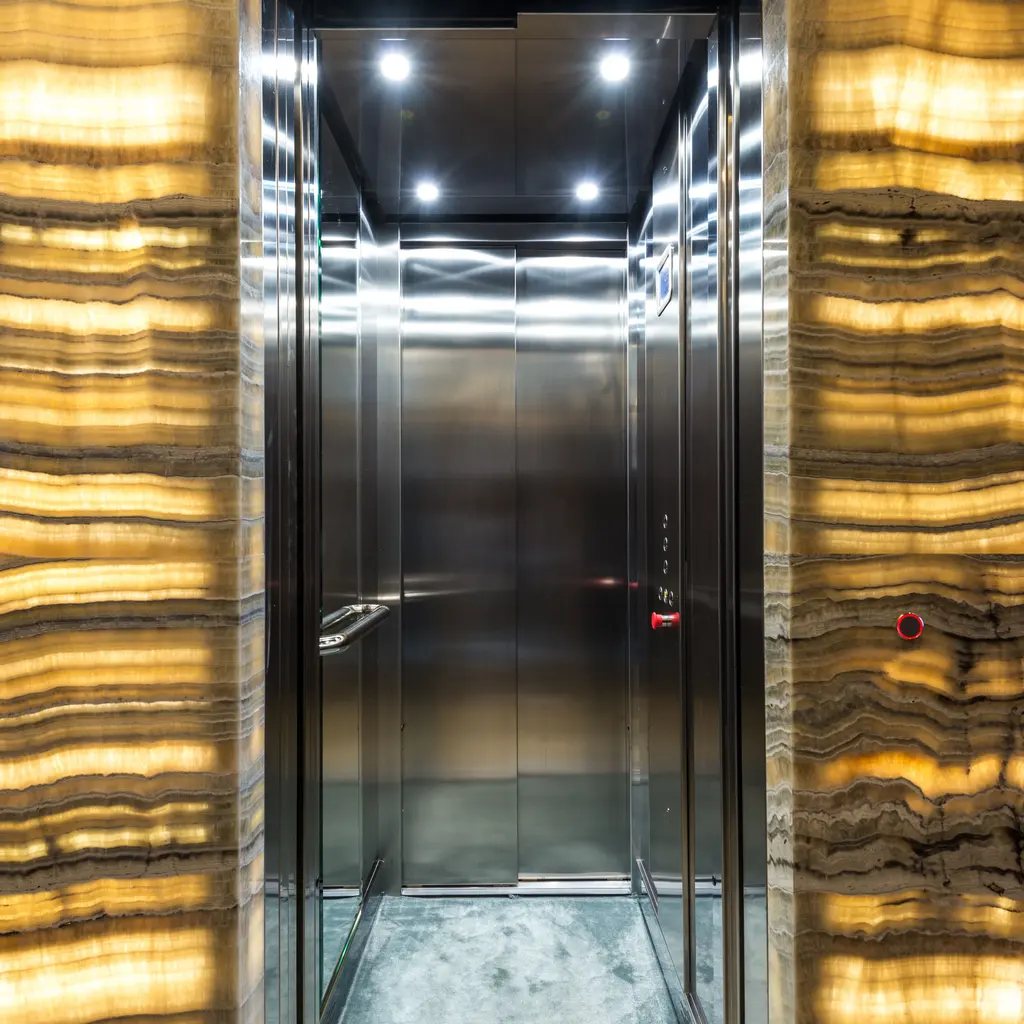
You fabricate complex elevator systems and send crews for onsite installation, meaning your work carries both factory-floor hazards and long-term passenger safety consequences. A design or installation error could lead to claims years after you have finished a project.
The Southern Agency can review your fabrication, installation and any maintenance duties to help you select insurance. We can compare passenger-injury and completed-work terms after handover with design exclusions, policy timing and protection for cabs or controllers in transit, staging and commissioning.
A defective brake, interlock, or controller assembled in the shop can cause passenger injury after the elevator is installed and in service, generating long-tail liability claims.
Installation crews work inside hoistways at height around open shafts, exposing them to falls, dropped loads, and struck-by injuries during commissioning.
Handling rails, counterweights, and hoist machines with cranes and presses in the plant creates crush, pinch, and back-injury exposures for assemblers.
Wiring controllers and servicing hydraulic power units exposes workers and the finished product to shock, arc-flash, and fluid-leak incidents.
Moving cabs, machines, and control panels to building sites risks impact and handling damage before installation is complete.
General contractors and building owners routinely require specific limits, additional-insured status, and waivers before an assembler can work on site.
Welding, machining, and testing equipment can spark fire or suffer breakdown, halting production of made-to-order units.
Policies to ask about. Which ones fit depends on your operations, your contracts, and the carrier’s forms.
These hypothetical examples are not agency claim results. Whether a loss is covered depends on the facts, policy terms, and applicable exclusions.
A passenger is injured when a door interlock assembled by the firm allegedly malfunctions months after installation. Product and completed-operations coverage may respond to defense and liability costs, depending on the policy and facts. Check interlock, assembly, and installation duties included, injury, policy trigger, timing, and continuing completed-work terms. Own-work, design or professional and contract remedies remain separate questions.
A technician falls while setting rails inside a shaft and is seriously hurt. Workers' compensation may help with medical care and lost wages, subject to the policy and jurisdiction. Confirm the insured employer and worker, work performed, jurisdiction, and benefits. This employee injury differs from a third-party passenger-liability claim.
A hoist machine is damaged in a handling incident en route to a jobsite. Inland marine may respond to repair or replacement, subject to the policy, endorsements, and exclusions. Review ownership, the handling, carrier, staging or installation stage, covered causes, valuation, and limits. Heavy-load damage and a contractual replacement demand alone do not establish full payment.
Start with the work you do and the questions your current policies leave unanswered. Carrier options depend on your location, risk, and underwriting. Explore our approach.
Because passengers ride the finished product, an assembly defect can cause serious injury after installation. Product and completed-operations coverage may help respond to such claims, subject to policy terms and underwriting.
Typically yes. Field installation adds jobsite liability and worker-injury exposure. General liability and workers' compensation are commonly needed for crews working in shafts, depending on operations.
It concerns work included in the policy after installation or commissioning, not a lifetime warranty. Check when injury or damage must occur versus when claims must be made or reported, relevant policy periods, completed-operations aggregates, and continuing cover. Retroactive and prior-acts terms matter where claims-made wording applies. Review design, maintenance, inspection, own-work, and contract exclusions too.
Inland marine coverage may help protect cabs, machines, and controllers in transit or staged at a site. Coverage depends on the specific policy, limits, and exclusions.
Read general contractor and building-owner requests for limits, additional-insured status, waivers, and indemnity. Compare elevator, design, installation, and any service duties included with issued endorsements. A certificate or commissioning date does not amend terms, prove availability or guarantee every future claim.
Workers' compensation commonly responds to injuries to installers and assemblers, including falls and electrical incidents, subject to the policy and the applicable jurisdiction.
Bring your questions, current policies, and relevant contracts. An agent can review coverage terms, exclusions, and the information carriers ask for, then explain the options available to you.