

Falls into open hoistways
Crews installing rails, cars, and controllers work over open shafts, facing severe fall exposure during rough-in and assembly.
Try a different word, or check the spelling.
The motors, cars, and controllers you handle may wait on site before commissioning. Project-property protection and liability once passengers use the system need attention at different stages.
The Southern Agency can help you manage your installation, rigging, and equipment-protection needs with appropriate coverage.
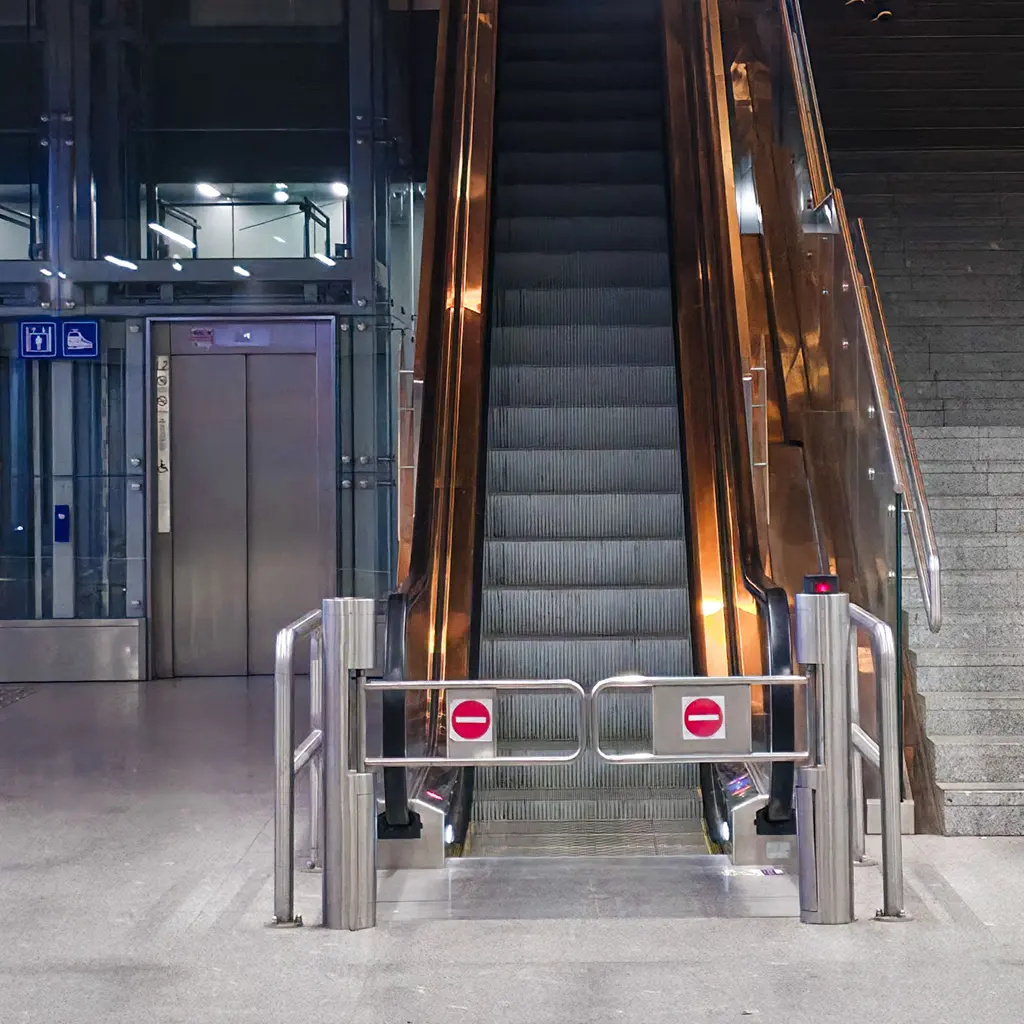
You install new elevator and escalator systems in construction projects, where heavy rigging and high-value mechanical assembly are constant. Your work creates high-consequence exposure for public safety once equipment is commissioned, and your site-based tools are vulnerable during the build.
The Southern Agency can review your rigging procedures and project-based work to help you select appropriate coverage. For example, we can discuss how builders risk insurance may protect high-value motors while on site, while liability insurance addresses potential installation failures.
Crews installing rails, cars, and controllers work over open shafts, facing severe fall exposure during rough-in and assembly.
Hoisting cars, counterweights, and escalator trusses into place risks dropped loads, crush injuries, and damage to the structure.
An improperly installed or commissioned unit can fail under public load, causing entrapment or injury and severe liability claims.
Cars, motors, and controllers staged or installed during construction are exposed to fire, water, and theft before the project closes.
Mistakes in layout, load sizing, or code conformance during installation can create violations and liability for resulting failures.
Rigging within a partially built shaft can damage framing, finishes, or systems installed by other trades.
Policies to ask about. Which ones fit depends on your operations, your contracts, and the carrier’s forms.
Ready to compare options?
Get a quote for Elevator and Escalator Installation Contractor Or call 1-800-777-1TSAThese hypothetical examples are not agency claim results. Whether a loss is covered depends on the facts, policy terms, and applicable exclusions.
Hypothetical: a car slips during hoisting and damages shaft framing. Identify car and framing ownership, custody and rigging responsibility. GL or project-property terms may address covered resulting damage, but compare work-property, load, included-interest and lifting restrictions. The damaged car, your hoist and delay costs are not automatically covered under the same policy.
Hypothetical: an escalator stops abruptly and injures a rider after commissioning. Preserve testing, acceptance, maintenance-handoff and event records; separate resulting injury from correcting the unit. Review actual completed-operations, professional and accepted-installation terms. Public opening does not itself prove coverage or responsibility.
Hypothetical: a technician falls while setting rails in a shaft. Workers' compensation may provide qualifying medical and wage benefits under applicable law. Identify actual employer, shaft duties and work state; another trade's injured worker or damaged rigging and components require separate liability or property review.
Start with the work you do and the questions your current policies leave unanswered. Carrier options depend on your location, risk, and underwriting. Explore our approach.
Installers commonly carry general liability with completed operations, workers' compensation, builders risk, inland marine, and often professional liability. The right mix depends on projects, subject to underwriting.
A newly installed unit carrying the public can fail catastrophically. Completed-operations and excess limits may respond to severe claims, depending on the policy, endorsements, and facts.
Cars, motors, and controllers installed during construction can be covered under a builders risk policy on the project, subject to its terms and how the contractor is included.
If you handle layout, load sizing, or commissioning, professional liability may help with errors in those decisions. Coverage depends on the work performed and underwriting.
Inland marine commonly covers rigging gear, hoists, and tools at job sites and in transit. Coverage depends on the specific policy and how items are scheduled.
Workers' compensation may respond to medical care and lost wages for hoistway and rigging injuries, subject to policy terms and state requirements.
Bring your questions, current policies, and relevant contracts. An agent can review coverage terms, exclusions, and the information carriers ask for, then explain the options available to you.