

Damage to customer-supplied goods
Garments, caps, and uniforms held for decoration can be ruined by fire, water, or a machine jam, creating bailee liability for others' property.
Try a different word, or check the spelling.
Your customer's blank uniform can arrive with a different owner and value from the thread you supply. Property and entrusted-goods protection should distinguish both from the expense of stitching the wrong logo, color or placement.
The Southern Agency can help you align your property, equipment, and liability coverage with the realities of custom embroidery production.
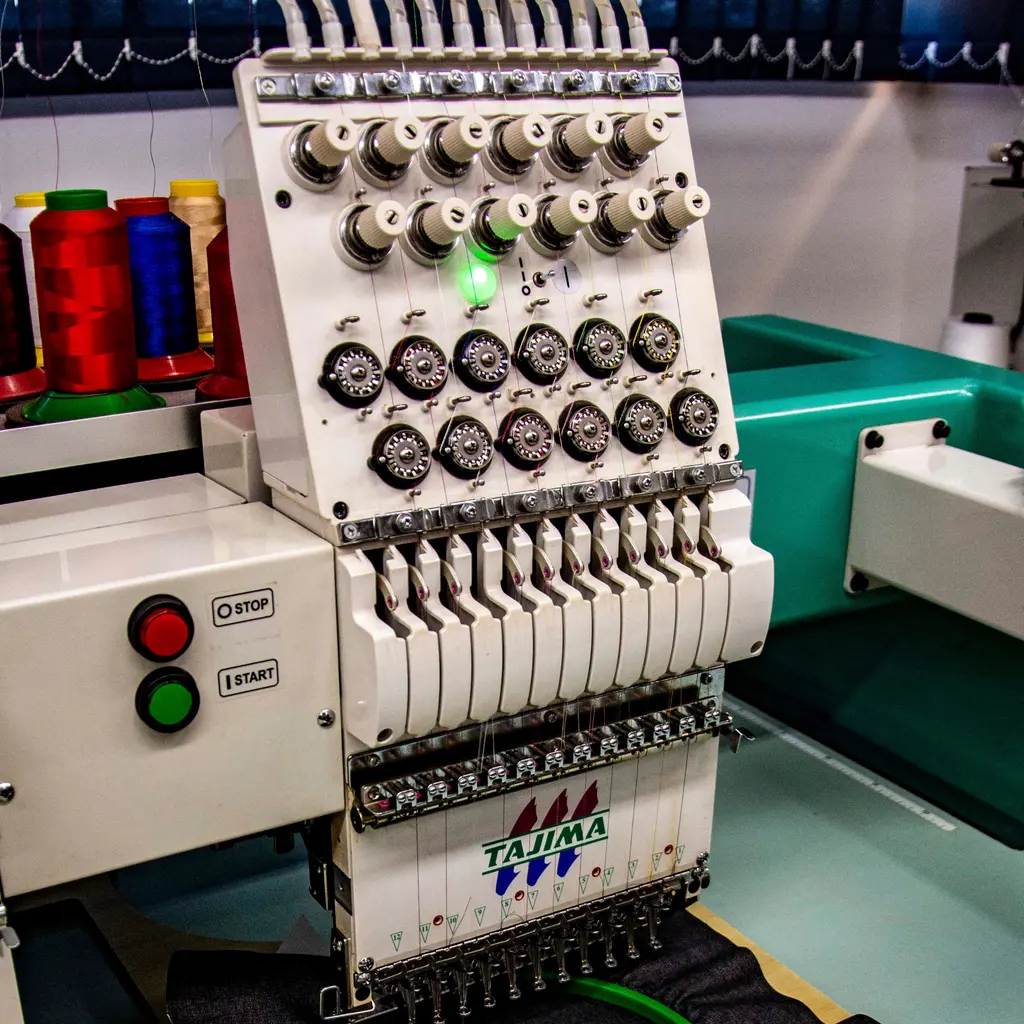
You decorate apparel and goods by stitching designs onto items supplied by customers or purchased by your shop. A fire or machine failure can destroy stock or halt production, while a single misembroidered order can lead to costly rework.
The Southern Agency can review your equipment, customer-owned goods, and storefront risks to help select appropriate insurance. We can discuss liability for customer property, cyber coverage for stored payment data, and workers' compensation for shop staff.
Garments, caps, and uniforms held for decoration can be ruined by fire, water, or a machine jam, creating bailee liability for others' property.
Incorrect logos, colors, or placement can require redoing entire runs and replacing blank goods at the shop's expense.
A failed multi-head machine or digitizing computer can stall production and cause missed customer deadlines.
Shops with walk-in counters or showrooms face slip-and-fall and other premises injury exposure from visiting customers.
Website ordering and stored card information create cyber and PCI exposure if systems are compromised.
Stocked blanks, thread, and backing materials are combustible and exposed to fire and smoke losses.
Operators face needle-stick, repetitive-motion, and pinch injuries around fast-running embroidery heads.
Policies to ask about. Which ones fit depends on your operations, your contracts, and the carrier’s forms.
These hypothetical examples are not agency claim results. Whether a loss is covered depends on the facts, policy terms, and applicable exclusions.
A water leak soaks a customer's order of blank jackets awaiting embroidery. Inland marine bailee coverage may respond, depending on the policy and facts. Check jacket ownership, the covered water cause, custody, and property form, valuation, and limits. A bailee label alone does not cover every sprinkler, water or processing loss.
An entire run is embroidered with the wrong logo and must be redone on new blanks. These are correction and rework demands. Review ownership, processing, workmanship, and contract provisions in the actual policy and endorsements. Product or general liability, bailee and cyber coverage do not automatically pay for the rerun or new goods.
The shop's website is compromised and customer card data is exposed. Cyber coverage may respond to breach response and notification, depending on the policy. Check the card data and role insured, covered security or privacy event, purchased response and payment-card assessment terms, consent, reporting, and limits. Assessments and site downtime each need their own review.
Start with the work you do and the questions your current policies leave unanswered. Carrier options depend on your location, risk, and underwriting. Explore our approach.
List garment owners, peak values and processing, storage, subcontractor and transit stages. Review direct customer-property versus legal-liability cover, stitching, and workmanship, covered causes, valuation and limits. Custody alone does not insure every jam, wrong stitch, rerun, or deadline.
Check decorating and storefront duties included, insured shop and client goods, covered causes and limits. Review stitching and workmanship, internal machine failure, online and payment data, artwork and applicable employee cover separately. A package label does not establish that all are included or available.
Establish whether the claim concerns wrong artwork or placement, damage to client goods or an intellectual-property allegation. Check ownership, processing, workmanship, artwork, or advertising duties included and contract provisions. Approval proves neither rights nor insurance. Wrong logos, reruns and replacement blanks are not automatic product or bailee benefits.
Describe your data and payment role and provider duties. Check security or privacy events included, purchased response, interruption, and payment-card assessment terms, notice, consent, and limits. Taking online orders or using a processor alone does not insure every assessment, fraud, outage, or order rework.
If customers visit a storefront, general liability commonly responds to slip-and-fall and similar premises claims, subject to policy terms and underwriting.
Underwriters weigh machine values, customer goods on hand, foot traffic, online sales, and loss history. Not every shop needs the same set of policies.
Bring your questions, current policies, and relevant contracts. An agent can review coverage terms, exclusions, and the information carriers ask for, then explain the options available to you.