

Embroidery and decoration equipment failure
Multi-head embroidery machines and heat presses are essential to production, and downtime can stall bulk orders with firm ship dates.
Try a different word, or check the spelling.
Your team's licensed logo can limit what you do with a rejected cap order, even when the blanks are undamaged. Stock and product protection should not be confused with permission to use a mark or a promise to pay for reruns.
The Southern Agency can help you review decorating machinery, branded stock and goods sent to outside finishers.
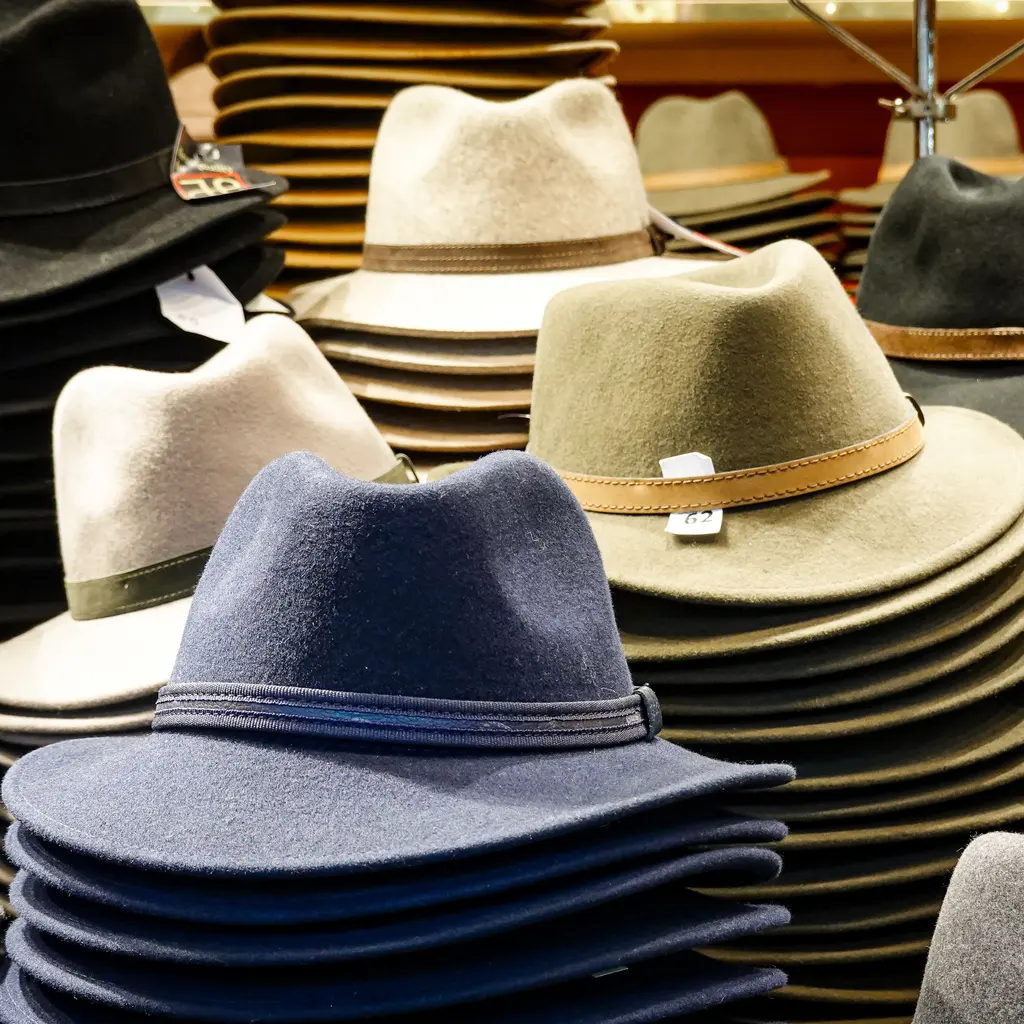
You manufacture and decorate headwear using embroidery, screen printing, and other finishing techniques. Your business fulfills bulk orders for teams and promotional clients, often utilizing licensed logos.
The Southern Agency can review your decorating equipment, licensed-stock values and outside-finisher arrangements to help you choose insurance. We can distinguish wearer-injury liability from wrong-logo reruns, and check machinery, stock and transit terms without treating insurance as permission to use a mark.
Multi-head embroidery machines and heat presses are essential to production, and downtime can stall bulk orders with firm ship dates.
Incorrect logos, colors or sizing can leave goods difficult or contractually restricted to resell, leading to rerun and buyer disputes.
Licensed team/brand marks require actual permission and approved use. Misuse or expiry can raise IP and contractual disputes; GL advertising-injury wording does not itself supply permission or every claim benefit.
Dyes, adhesives, or hardware in contact with the wearer's head and skin can prompt claims if they cause irritation or injury.
Blanks, thread, and finished branded caps concentrate stock in storage; review actual materials, fire protection, theft evidence, and ownership/valuation interests.
Operators face needle injuries, burns from pressing, and repetitive-motion strain across embroidery and finishing tasks.
Policies to ask about. Which ones fit depends on your operations, your contracts, and the carrier’s forms.
These hypothetical examples are not agency claim results. Whether a loss is covered depends on the facts, policy terms, and applicable exclusions.
A multi-head embroidery machine fails during a large team order. Equipment breakdown may help repair covered internal damage, and purchased business income may address lost output, subject to policy terms. Check stock extensions and restoration time separately from rerun costs or a missed team order.
A customer alleges a cap's interior band caused a skin reaction. Product liability may help defend the wearer-injury claim and pay covered damages, subject to the policy, endorsements, and exclusions. Replacing caps, refunds, withdrawal and license disputes remain separate questions.
A quantity of finished licensed caps is stolen from storage. Commercial property may help with the stolen stock, depending on the policy and facts. Check theft evidence, ownership, branding restrictions, and valuation; neither full retail margin nor every unexplained shortage is assured.
Start with the work you do and the questions your current policies leave unanswered. Carrier options depend on your location, risk, and underwriting. Explore our approach.
Compare property causes and covered internal breakdown for the actual multi-head machines and presses. Ask about repair lead time, a substitute decoration route, income waiting periods, and any stock extension; a defective logo run or delivery deadline alone does not establish covered breakdown.
Show the license and artwork approval. General-liability advertising-injury wording has intellectual-property and contractual boundaries and does not grant use of a mark. Compare any separately offered intellectual-property or media protection with goods and activities expressly included, not a generic advertising label.
Skin reactions or adjustable hardware injuries can produce product claims. Review wearers, materials, claim facts and covered injury separately from buying back caps, replacing a lot or defending licensing disputes. Those costs are not automatically insured with a wearer-injury claim.
Identify blank and cap owners, who bears loss, decorator, distributor, and carrier handoffs and peak load value. Compare transit and temporary storage expressly included, exclusions, and valuation. Ordinary premises property or auto liability alone does not prove cargo cover.
Bring the buyer contract and any requested limits or additional-insured endorsement. Compare issued terms and any scope restrictions; neither a certificate nor an order requirement establishes cover or an ability to satisfy every vendor condition.
Check state employee rules and embroidery, steam, blocking, heat-press, and finishing classifications. Disclose needle, burn and repetitive-injury duties; the headwear label alone does not determine every requirement or benefit.
Bring your questions, current policies, and relevant contracts. An agent can review coverage terms, exclusions, and the information carriers ask for, then explain the options available to you.