

Lint accumulation and fire
Airborne cotton and blended lint settles throughout the weave room and machinery, creating a persistent fire hazard ignited by friction or faults.
Try a different word, or check the spelling.
Your looms can be working correctly while a shared compressed-air system stops a block of production. Breakdown terms need to fit those dependencies, with off-count fabric and delivery promises kept separate from machinery repair.
The Southern Agency can help you align your property and breakdown insurance with the high-throughput demands of a weaving mill.
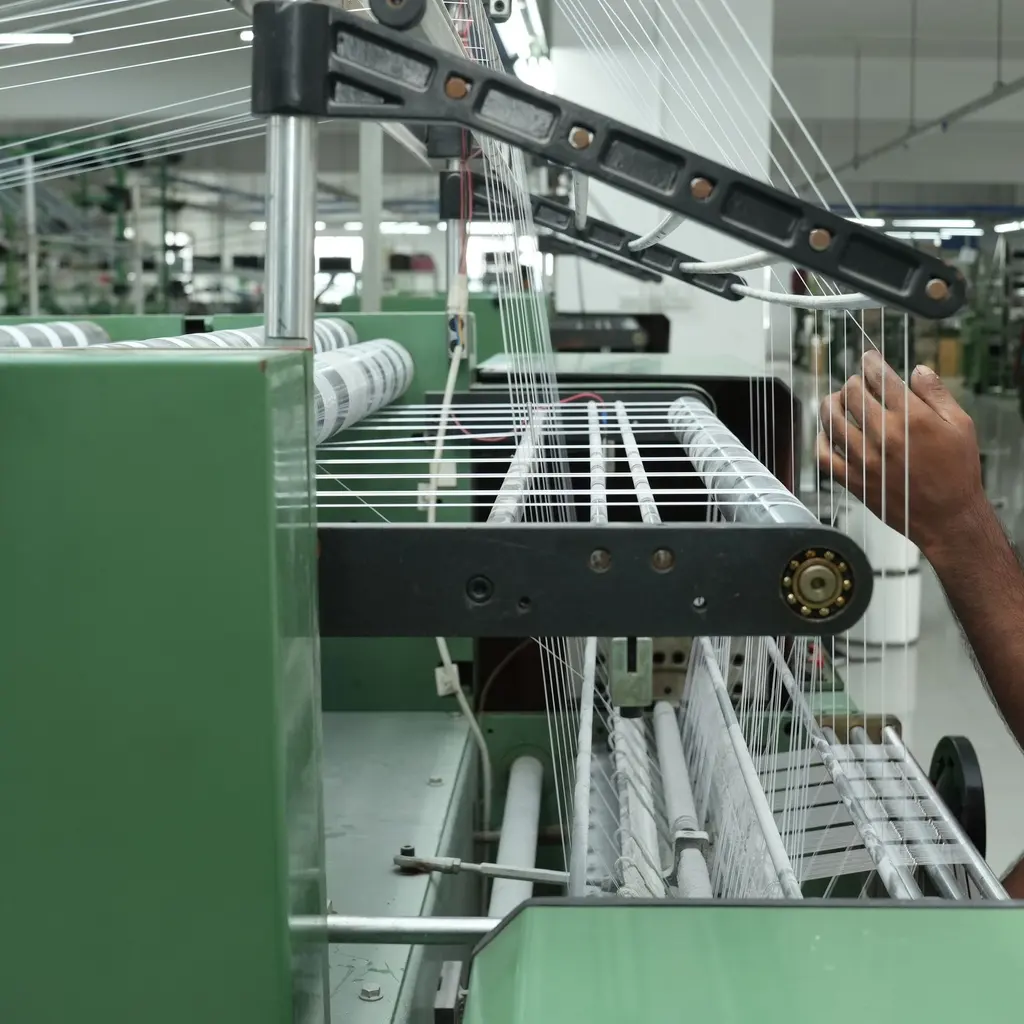
You turn yarn into woven fabric using the looms and preparation systems your mill operates. Fiber and lint, moving machinery and shared air or power dependencies can expose stock, workers and production; an off-count roll creates a different loss from a damaged loom.
The Southern Agency can review your loom operations, yarn stocks, and compressed-air systems to help select appropriate insurance. We can discuss fire safety for lint accumulation, breakdown coverage for your looms, and liability for your shipments.
Airborne cotton and blended lint settles throughout the weave room and machinery, creating a persistent fire hazard ignited by friction or faults.
Failure of looms, warpers, or compressed-air systems can idle large blocks of production and scrap fabric in process.
High-speed looms and moving yarn create entanglement, pinch, and repetitive-motion injuries for weave-room workers.
Large stocks of yarn and rolled woven fabric concentrate property value exposed to fire, water, and smoke damage.
Weave defects, off-count construction, or strength shortfalls can be rejected by finishers and apparel manufacturers.
Constant loom operation generates noise and fiber dust that raise hearing and respiratory occupational concerns.
A stoppage can disrupt deliveries to dyers, finishers, and garment makers depending on the mill's greige output.
Policies to ask about. Which ones fit depends on your operations, your contracts, and the carrier’s forms.
These hypothetical examples are not agency claim results. Whether a loss is covered depends on the facts, policy terms, and applicable exclusions.
Accumulated lint ignites near a loom drive and spreads across a section of the weave room. Property and purchased business income may respond, depending on the policy and facts. Check the covered lint fire, stock and equipment by owner, valuation and income terms. Finisher commitments or seasonal delivery obligations are not automatically insured amounts.
A compressed-air system failure idles a bank of air-jet looms mid-run. Equipment breakdown and purchased business income may respond, subject to the policy, endorsements, and exclusions. Check the covered internal air-system event, affected banks and stock, income terms, waiting periods, and restoration. Utility or process stoppages and scrapped rolls alone do not prove that response.
A finisher rejects a woven run for off-count construction. Review whether there is injury or damage to other property, or only nonconforming cloth and contract demands. Own-product, impaired-property and contract terms matter for reweaving, downstream garment rework, refunds, and withdrawal.
Start with the work you do and the questions your current policies leave unanswered. Carrier options depend on your location, risk, and underwriting. Explore our approach.
Weaving mills commonly carry property, equipment breakdown, product liability, general liability, workers' compensation, inland marine, and auto coverage, depending on operations and underwriting.
Cotton and blended lint can accumulate around moving machinery and burn if ignited. Review fibers, particles, process conditions, housekeeping, and fire protection with qualified advisers. Check covered property, causes, and policy conditions separately; controls alone do not guarantee availability or payment for every fire.
Check for covered internal damage to looms, warpers or compressed-air systems and affected banks and stock. Review purchased stock, income and extra expense, waiting periods and restoration terms. Equipment breakdown may respond subject to the policy and exclusions; sudden stoppage, process scrap and downtime alone do not establish every payment.
Identify weave, use, design and testing duties and any injury or damage to other property. Check products included, own-product, own-work, impaired-property, and contract terms. Off-count or strength failures, rejected cloth and downstream rework alone do not insure every product claim, refund or recall.
List yarn, work in progress and greige rolls by owner and peak value through storage, finishers, and carriers. Compare covered causes, ownership, custody, processing, workmanship, valuation, and limits under actual property and transit terms. A premises label, delivery receipt or declared value alone is not all-risk roll or finished-garment protection.
Underwriters weigh loom count, fiber blends, inventory value, lint controls, and loss history. Not every textile plant needs the same set of policies.
Bring your questions, current policies, and relevant contracts. An agent can review coverage terms, exclusions, and the information carriers ask for, then explain the options available to you.