

Knitting machine and needle damage
Fine needles and cams can break or misadjust, damaging the machine and producing defective knit fabric across an entire run.
Try a different word, or check the spelling.
You can lose a run to a needle or cam setting without establishing an insured machine failure. Breakdown and stock terms need to distinguish the cause from holes, shrinkage or size rejection, alongside protection for yarn at outside finishers.
The Southern Agency can help you coordinate property, equipment breakdown, product, and inventory coverage around delicate knitting machinery.
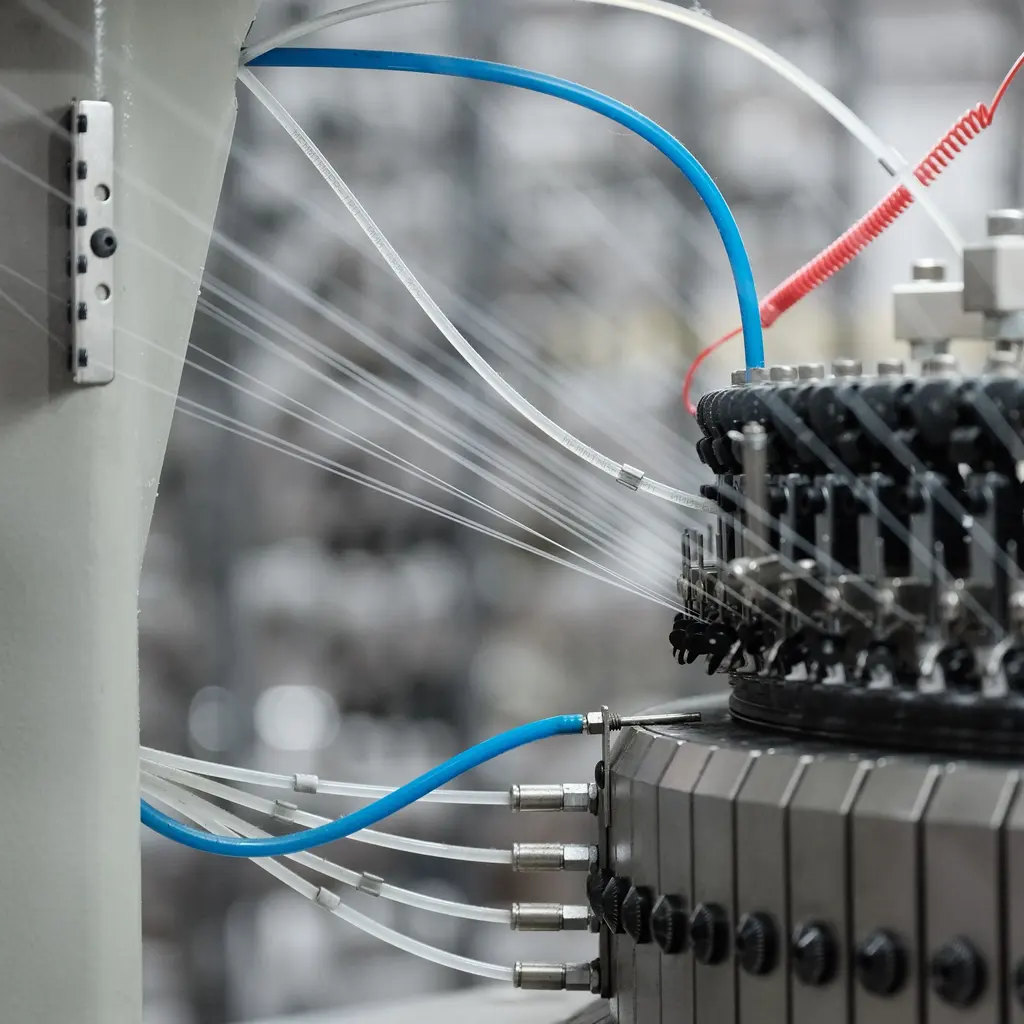
You produce fabric and garments using banks of fast-running knitting machines that require precise needle and cam settings. Large inventories of yarn and fiber create significant fire loads and downtime risks.
The Southern Agency can review your mill operations to help you select appropriate insurance. For example, we can help assess whether a needle break or cam misadjustment qualifies for machine breakdown coverage versus ordinary maintenance, while also addressing product exposure if garments are rejected for sizing or run issues.
Fine needles and cams can break or misadjust, damaging the machine and producing defective knit fabric across an entire run.
Failure of circular or flat knitting machines or their drives can idle production and scrap in-process knit goods.
Stored yarn, machine lubricants, and finished knit inventory create fire, smoke, and water-damage exposure.
Runs, holes, sizing errors, or shrinkage problems can lead to rejected shipments and product claims from apparel customers.
Significant value sits in yarn stock and finished knit goods awaiting shipment, vulnerable to a single property loss.
Setting needles and servicing fast-running machines exposes technicians to pinch, cut, and repetitive-motion injuries.
A machinery or property loss can disrupt deliveries to brands and cut-and-sew customers on seasonal timelines.
Policies to ask about. Which ones fit depends on your operations, your contracts, and the carrier’s forms.
These hypothetical examples are not agency claim results. Whether a loss is covered depends on the facts, policy terms, and applicable exclusions.
A broken needle goes unnoticed and produces flawed fabric across a long run before the machine is stopped. Equipment breakdown may help repair machine damage if there is a covered internal failure, subject to the policy, endorsements, and facts. Establish whether there is actual machine damage rather than only needle or cam adjustment, wear or flawed output. Payment for scrapped fabric requires its own purchased terms.
A drive on a circular knitting machine fails mid-run, halting output. Equipment breakdown may help repair covered drive damage, and purchased business income may address lost output, subject to the policy and exclusions. Check repair, reset and restoration time and purchased stock extensions separately from seasonal orders and late-delivery charges.
A batch of knit garments is alleged to shrink beyond specification after washing. The resulting replacement, refund, rerun and buyer financial demands need separate review from any actual injury or damage to other property. Product liability concerns covered injury or damage, not simply garments failing a shrinkage specification; that rejection alone does not establish product liability or withdrawal payment.
Start with the work you do and the questions your current policies leave unanswered. Carrier options depend on your location, risk, and underwriting. Explore our approach.
Start with machines, yarn, fabric, and garment values and owners, finishing stages, and employee duties. Compare property, internal breakdown and purchased income, off-site interests, product and premises terms; no package automatically covers rejected knit goods or every small mill.
Knitting interlocks yarn loops on circular or flat machines using needles and cams; weaving interlaces warp and weft. Assess the material, machine damage and setup, stock and finishing duties rather than assuming a universal dust ranking or that every needle break stops the mill.
Establish insured internal damage separately from wear, needle or cam setting and a flawed run. Compare equipment definitions, repair and reset time and purchased stock or income extensions. Sudden discovery of scrap does not prove all scrap or machine work is covered.
Distinguish injury or other-property allegations from holes, sizing or shrinkage rejection, own-garment replacement, and reruns. Review goods included, own-product, impaired-property, and recall terms; a failed specification alone does not establish product cover.
Report peak yarn, fabric and shaped-garment values by owner through the mill, outside finishers, storage, and transit. Compare covered causes and valuation rather than assuming all outside locations or quality defects are insured.
Present machine, drive and stock values, yarn, product and finishing mix, ownership and location duties, controls, payroll, and claims. These support individual review, not a generic mill price, automatic package eligibility, or favorable-terms promise.
Bring your questions, current policies, and relevant contracts. An agent can review coverage terms, exclusions, and the information carriers ask for, then explain the options available to you.