

Furnace eruption or molten-metal explosion
Water-cooling leaks or moisture reaching molten alloy can cause violent eruptions, endangering workers and damaging the furnace and structure.
Try a different word, or check the spelling.
Your steelmaker customer buys alloy to a composition, but a rejected or remelted batch is not automatically an injury claim. Product terms need to distinguish those costs, alongside cover for furnaces, transformers and actual slag-handling duties.
The Southern Agency can help you align your insurance with the complex environmental, mechanical, and safety hazards of your ferroalloy plant.
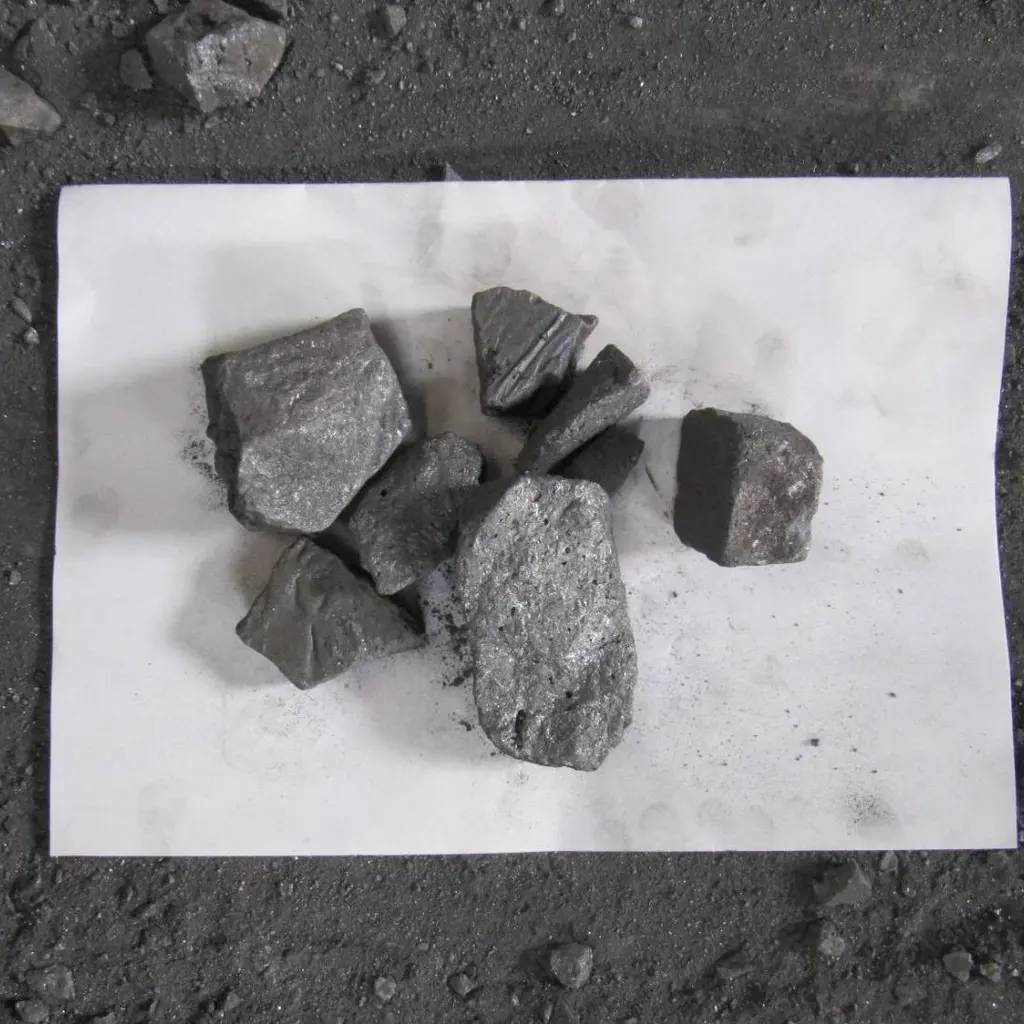
You produce alloys for steelmaking through the smelting, refining or other route used at your plant. A cooling leak reaching molten metal can injure crews and damage the works, while a failed furnace transformer can interrupt output. Dust, gases and slag vary with the actual alloy and feed materials.
The Southern Agency can review your furnace operations, emissions management, and materials handling to help select appropriate insurance. We can discuss property and breakdown coverage for your furnaces, pollution liability, and worker safety.
Water-cooling leaks or moisture reaching molten alloy can cause violent eruptions, endangering workers and damaging the furnace and structure.
High-power submerged arc furnaces and transformers are costly and central, so failure can halt a continuous operation for weeks.
Carbon monoxide, silica, and manganese dust create occupational health hazards and require careful ventilation and controls.
Slag disposal, furnace fume, and particulate emissions create environmental liability subject to permits and oversight.
Charging, tapping, crushing, and sizing involve heavy equipment and moving parts that expose workers to serious injury.
Alloy that fails to meet composition can disrupt a steelmaker's process, creating product-related liability exposure.
Policies to ask about. Which ones fit depends on your operations, your contracts, and the carrier’s forms.
These hypothetical examples are not agency claim results. Whether a loss is covered depends on the facts, policy terms, and applicable exclusions.
A furnace cooling leak reaches molten alloy, causing an eruption with injuries and damage. Identify the actual furnace and covered cause, property interests, and who was injured. Employee benefits, third-party injury or damage, and repair of the plant have different triggers, limits and exclusions.
A furnace transformer fails and stops smelting for an extended period. Equipment breakdown and purchased business income may help, subject to the policy and exclusions. Check the covered internal transformer event separately from wear, refractory, and process conditions, then stock, income, waiting, and restoration terms. Continuous smelting alone does not insure every outage cost.
A dust-control upset during slag handling causes an emissions exceedance requiring a response. Review the actual accepted release and site, cleanup, or defense trigger, and consent and notice terms. Ordinary slag/emissions duties, fines and an exceedance alone are not the same as insured pollution loss.
Start with the work you do and the questions your current policies leave unanswered. Carrier options depend on your location, risk, and underwriting. Explore our approach.
Moisture or cooling leaks reaching molten alloy can cause severe injury and damage. The largest exposure depends on the actual route, materials, site, and equipment. Compare events included and property, employee, third-party and pollution terms rather than assume all benefits from a furnace incident.
Furnace fume, dust and slag warrant a separate pollution review. Describe materials, sites, history and treatment, disposal and transport duties. Check releases, cleanup and third-party claims included, prior conditions, notice and consent; routine emissions or slag duties, permit exceedances and fines are separate questions.
Check for covered internal furnace or transformer damage separately from refractory, wear, corrosion, process, or power conditions. Review repairs, affected stock and purchased income or extra expense, waiting periods and restoration terms. Continuous smelting and an outage alone do not insure every cost.
Off-spec composition can prompt claims. Identify alloy, use, cause, and any injury or damage to other property, then check products included, own-product, impaired-property and contract terms. Rejected alloy, remelting, impaired steel and a steelmaker shutdown alone do not insure every liability or rework cost.
Identify feed, alloy, process, actual dust, and gas exposure, worker status, and jurisdiction. Review applicable occupational-injury benefits and the covered loss. Ventilation or monitoring alone does not guarantee availability, favorable terms, benefits for every disease or pollution cleanup.
Underwriters weigh furnace size and power, safeguards, emissions controls, equipment values, payroll, and loss history. Each shapes pricing, subject to policy terms.
Bring your questions, current policies, and relevant contracts. An agent can review coverage terms, exclusions, and the information carriers ask for, then explain the options available to you.