

Product liability from defective footwear
Sole separation, slip-resistance failures, or material reactions on a worn product can lead to injury claims and chargebacks from retail buyers.
Try a different word, or check the spelling.
Your retail buyer's indemnity or additional-insured request does not itself insure a sole defect or replace shoes pulled from sale. Product protection needs to fit the footwear, bonding, and design duties your factory accepts.
The Southern Agency can help you consider factory losses alongside claims involving the footwear you manufacture.
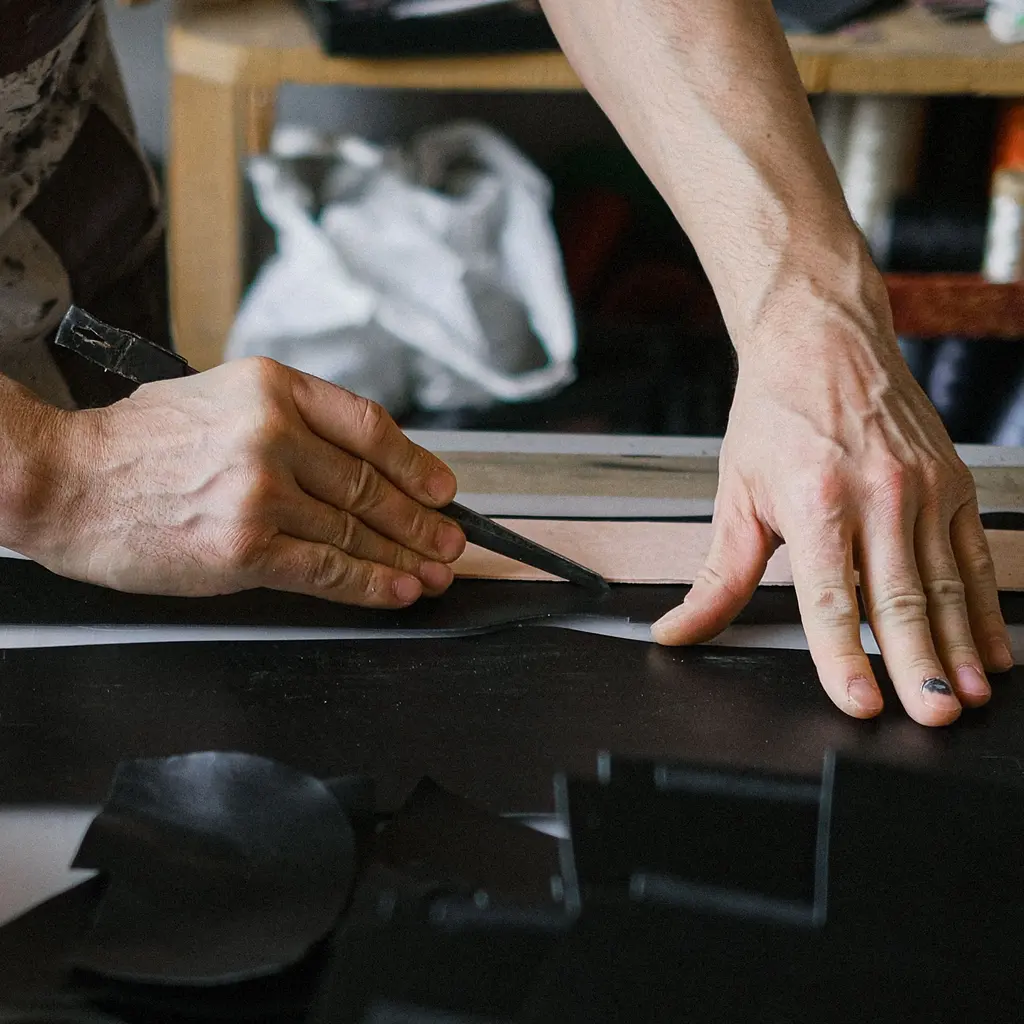
You operate a footwear factory that cuts, stitches, and assembles leather, rubber, and synthetics into shoes using adhesive and molding processes. Your production often involves high-pressure machinery and tight shipping schedules for retail partners.
The Southern Agency can help you evaluate your production lines, including bonding and heating processes, to select insurance that matches your operations. We can discuss how your coverage addresses product liability for potential material defects versus the costs of replacing stock for retail partners.
Sole separation, slip-resistance failures, or material reactions on a worn product can lead to injury claims and chargebacks from retail buyers.
Identify actual solvent/cement/primer/cleaner and heat duties and formulation characteristics; not every footwear bonding process or adhesive has identical fire/air exposure.
Cutting presses, stitchers, and sole-attaching equipment expose operators to lacerations, crush injuries, and repetitive-strain claims.
A failure in molding, lasting or conveyor equipment can halt output and idle a shift, interrupting revenue and delaying shipments.
Stockpiles of leather, soles, and boxed finished goods concentrate value that fire, smoke, or water damage could destroy quickly.
Brands and wholesalers commonly require specific liability limits, additional insured status, and indemnity language before placing orders.
Finished footwear moving to distribution centers can be damaged, lost or stolen in transit, creating recovery and chargeback disputes.
Policies to ask about. Which ones fit depends on your operations, your contracts, and the carrier’s forms.
These hypothetical examples are not agency claim results. Whether a loss is covered depends on the facts, policy terms, and applicable exclusions.
A retailer pulls a boot batch with premature sole separation and demands replacement. Identify any actual injury or damage to other property, then compare accepted footwear and design with own-product, impaired-property, and contract terms. Replacing the boots, refunding the buyer, and withdrawing stock are distinct from an injury claim.
Solvent vapors near the lasting station ignite and damage equipment and inventory. Property and purchased business income may help, depending on the policy. Check the covered solvent fire, equipment and stock by owner, valuation, income, waiting, and restoration terms. A stopped order or future retail margin is not automatically the insured amount.
A cutting-press operator suffers a hand injury during a shift. Workers' compensation may respond to medical costs and lost wages, subject to policy terms and applicable law. Check employee status, jurisdiction, qualifying occupational-injury benefits and reporting separately from contractor status, wage demands or third-party claims.
Start with the work you do and the questions your current policies leave unanswered. Carrier options depend on your location, risk, and underwriting. Explore our approach.
Shoes and boots are worn on the body, so defects in soles, glue bonds, or materials can lead to injury claims. Product liability may help respond, subject to policy terms and underwriting.
List cements, primers, cleaners, heat processes, formulations, and controls actually used. Review duties included, covered causes, and conditions. Adhesives are not all solvent-based or equally flammable, and controls do not guarantee a quote, price, or every fire or income loss.
Check for covered internal damage to molding, lasting, press or conveyor equipment, wear, and process restrictions and affected stock. Review purchased stock, income and extra expense, waiting periods, and restoration. Equipment breakdown may respond subject to the policy; bad bonds or a missed retail window alone do not insure every cost.
Read brand or wholesaler agreements for limits, insured entities, additional-insured endorsements, and indemnity. Compare footwear and design duties included with issued terms. Certificates and contracts do not amend insurance, guarantee every requested status or turn replacement or recall chargebacks into liability benefits.
Commercial property coverage may help protect boxed footwear and raw materials against fire, smoke, and water damage, depending on policy terms and the limits selected.
Workers' compensation commonly responds to medical costs and lost wages for press, stitching, and assembly injuries, subject to policy terms and applicable state law.
Bring your questions, current policies, and relevant contracts. An agent can review coverage terms, exclusions, and the information carriers ask for, then explain the options available to you.