

Pollution and effluent liability
Actual chrome/non-chrome tanning and sulfide/dye streams determine effluent hazards; a treatment upset can create release and cleanup demands, distinct from ordinary treatment, permit correction, and penalties.
Try a different word, or check the spelling.
Your chrome or non-chrome process determines which effluent and waste routes need attention. Release protection should fit those materials, while routine treatment, permit correction and rejected leather remain different costs from a covered pollution event.
The Southern Agency can help address the environmental, property, and worker exposures inherent in chemical hide processing.
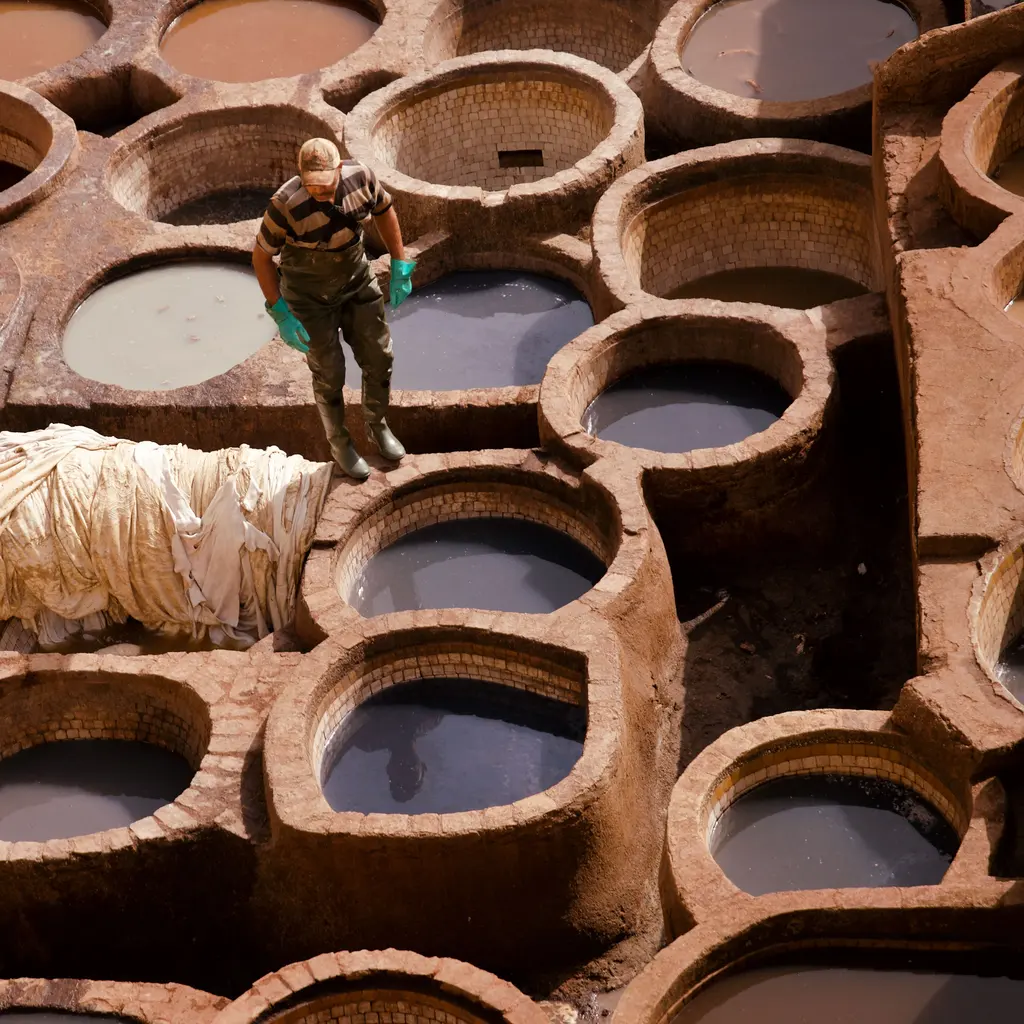
You process hides using chemicals, drums, presses, and drying lines to create leather. This environment involves heavy machinery, confined spaces, and complex waste streams that present industrial hazards.
The Southern Agency can review your processing methods and waste handling to help you select appropriate insurance. For example, we can help clarify the difference between routine effluent compliance and an insured pollution release, while reviewing property limits for specialized machinery.
Actual chrome/non-chrome tanning and sulfide/dye streams determine effluent hazards; a treatment upset can create release and cleanup demands, distinct from ordinary treatment, permit correction, and penalties.
Acids, alkalis, and tanning agents in wet processing areas can cause chemical burns, respiratory harm, and toxic-gas exposure.
Solvents, finishing chemicals, and large hide stocks concentrate fire load and property value across the facility.
Drums, fleshing machines, and presses expose workers to crush, entanglement, and laceration injuries in damp conditions.
A failure in tanning drums, boilers, or drying lines can stop a batch and idle the facility, interrupting revenue.
Tanning sludge and chemical waste must be stored and disposed of properly, with mishandling creating regulatory and third-party claims.
Policies to ask about. Which ones fit depends on your operations, your contracts, and the carrier’s forms.
These hypothetical examples are not agency claim results. Whether a loss is covered depends on the facts, policy terms, and applicable exclusions.
A treatment system upset releases chromium-laden wastewater above permitted limits, triggering cleanup and regulatory action. Environmental liability may help with covered cleanup and third-party claims, depending on the policy, endorsements, and exclusions. Check the chrome-process release, site and substances included, cleanup, third-party and reporting terms separately from ordinary treatment, permit correction, reporting duties and fines.
A worker is splashed by an acidic bath during processing. Workers' compensation may help with medical costs and lost wages, subject to the policy and applicable law. Check the employer, jurisdiction, and qualifying benefits separately from any property or pollution interests, which are not all covered merely because a worker was splashed.
A main tanning drum fails mid-batch and stops production. Equipment breakdown may help repair covered internal drum damage, and purchased business income may address lost output, depending on the policy. Compare repair and restart time and purchased batch and income terms separately from chemistry errors, quality holds, and demands for every lost order.
Start with the work you do and the questions your current policies leave unanswered. Carrier options depend on your location, risk, and underwriting. Explore our approach.
Chrome or non-chrome processes, sulfides, finishes, wastewater, and waste routes can create pollution claims. Compare sites, substances, releases and cleanup terms included separately from ordinary treatment, permit compliance, and penalties. No single chemistry applies to every tannery.
Check property and general liability pollution exclusions and any limited extensions, then any separately offered environmental terms. Neither a cleanup demand nor a dedicated policy label proves every site, release, ongoing treatment, or regulatory cost is insured.
Describe wet-area acids, alkalis, potential hydrogen sulfide, drum, fleshing, press, and maintenance duties with qualified safety advisers. Compare state employee classifications and qualifying benefits; exposure or controls alone do not guarantee payment for every claim.
Identify covered internal failure separately from chemistry errors, worn equipment, and quality holds. Compare repair and restart time, purchased batch, stock, and income terms and waiting periods; a stopped or rejected batch is not automatically covered.
A chemical-residue or defect allegation may concern user injury, other damage, the maker's leather, or impaired customer goods. Review chemistry, end use, own-goods, pollution, and withdrawal terms; a quality complaint is not automatically a covered product claim.
Bring discharge and control records, sludge, and waste records and qualified advice on duties. Compare policy acceptance, conditions, and exclusions separately; good compliance does not establish availability, favorable price, or cover for every violation or cleanup cost.
Bring your questions, current policies, and relevant contracts. An agent can review coverage terms, exclusions, and the information carriers ask for, then explain the options available to you.