

Furnace and molten material incidents
Cupolas and melt furnaces hold material at extreme temperatures, and spills, splashes, or refractory failures can cause severe burns and fire damage.
Try a different word, or check the spelling.
Your furnace restart includes cooling and preparing the line, not just replacing a failed part. Breakdown and income terms should reflect those steps, separately from refractory upkeep or a promise about insulation ratings.
The Southern Agency can help you identify key risks in your fiberizing and finishing operations and choose insurance for your facility and products.
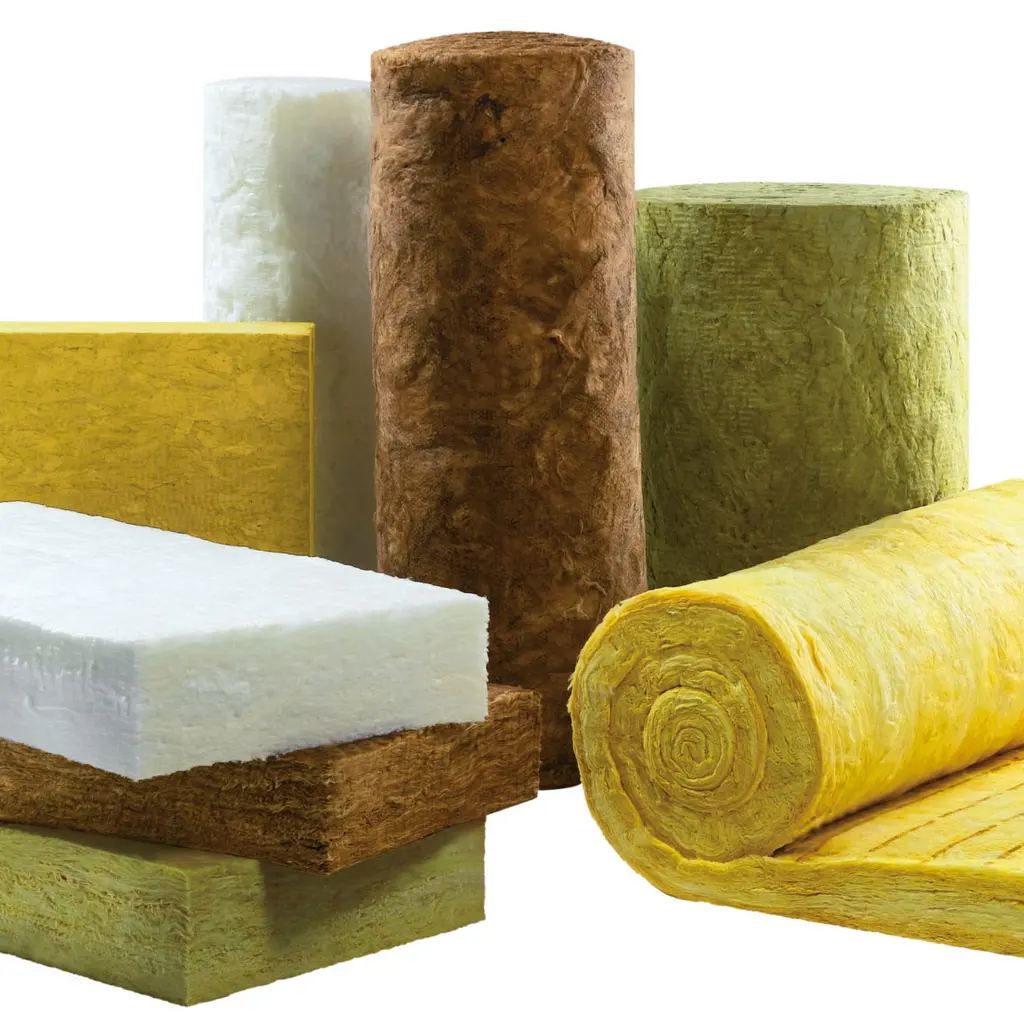
You melt mineral feedstock and turn it into insulation through spinning, finishing and packaging. Molten material, moving machinery and airborne fibers create different worker hazards, while furnace or spinner damage can stop the line. Customers may also challenge the performance ratings on a finished batch.
The Southern Agency can help you review your thermal processes and material handling to select appropriate insurance. We can discuss, for instance, how to distinguish coverage for a furnace breakdown from the maintenance of refractory linings.
Cupolas and melt furnaces hold material at extreme temperatures, and spills, splashes, or refractory failures can cause severe burns and fire damage.
Where the line uses oils or binders and oven curing, assess the actual chemistry, deposits, and heat sources for ignition and fire spread.
Assess airborne mineral fibers from spinning and finishing and, where binders are used, the fumes from their application and curing. Worker exposure and air emissions depend on the materials and process.
A furnace, spinner, or conveyor failure can stop a continuous process. Repair, cooling, and restart requirements determine the interruption, not a fixed downtime estimate.
Insulation sold on stated fire and thermal ratings could expose the plant to product claims if a batch fails to perform as labeled.
Handling mineral feedstock and finished batts around cranes, conveyors and balers creates caught-in, crush and lifting hazards.
Stack emissions, dust, and process water can trigger environmental liability and regulatory penalties if controls fail.
Policies to ask about. Which ones fit depends on your operations, your contracts, and the carrier’s forms.
These hypothetical examples are not agency claim results. Whether a loss is covered depends on the facts, policy terms, and applicable exclusions.
A worn furnace lining gives way and molten mineral damages nearby equipment and the building. Review refractory wear and maintenance exclusions separately from any covered resulting fire or other damage. Property, internal-breakdown, and purchased income provisions need their own cause-of-loss review; the spill does not establish payment for the lining, all repairs, or the entire shutdown.
A contractor alleges that a batch of board insulation did not meet its stated fire resistance. Identify the product, application, and any injury or damage to other building property. Replacing or removing the insulation, correcting its rating and meeting a performance guarantee are separate from covered liability for resulting harm.
Fiber dust drifts beyond the property and neighbors report air-quality harm. Environmental liability coverage may respond to claims and cleanup, depending on policy terms and the facts. Describe the fiber, location and alleged harm and check pollution conditions, cleanup scope, reporting, and consent. Normal dust collection and compliance costs are separate.
Start with the work you do and the questions your current policies leave unanswered. Carrier options depend on your location, risk, and underwriting. Explore our approach.
The furnace, spinners, and conveyors can be bottlenecks in a continuous process. Check the internal failures covered and the treatment of refractory deterioration and process losses. Any income extension must address the repair and restart period; a stoppage alone does not establish payment.
A fire or thermal-performance allegation may lead to injury or other-property damage claims. Identify the insulation and application involved and review the policy’s product and impaired-property terms. Failed tests, replacement of your insulation, rework, and withdrawal costs are separate from liability for resulting harm.
Describe the fiber, binder, and release, including whether neighboring property or people are affected. Review pollution conditions, cleanup obligations, and third-party claims in the proposed environmental policy. Routine dust collection, waste treatment, and regulatory penalties should not be treated as insured cleanup.
Describe the furnace and escaped molten mineral, then review the cause of the loss. Fire damage and sudden equipment failure can be treated differently from a worn refractory lining or normal furnace maintenance. Check property, breakdown and any income provisions rather than assuming one covers the whole event.
The melting and fiberizing process, binder chemistry, furnace and line values, controls, product uses, and loss history inform the review. Give realistic stock values and restart estimates. The plant description alone does not establish an offered policy or premium.
Describe the actual heat, fiber, fume, and material-handling duties, along with employee status and state locations. Workers’ compensation requirements and benefit eligibility depend on the applicable rules and policy; neither exposure nor payroll alone determines every illness claim.
Bring your questions, current policies, and relevant contracts. An agent can review coverage terms, exclusions, and the information carriers ask for, then explain the options available to you.