

Mass-produced defect and recall
A flaw in metallurgy, threading, or heat treatment can repeat across a large lot, leading to product liability and recall exposure when fasteners fail.
Try a different word, or check the spelling.
Your customer's certification file can matter as much as the fastener lot delivered with it. Product protection should distinguish damage caused by a part from recertifying an assembly, replacing bolts or settling a quality dispute.
The Southern Agency can help you consider manufacturing equipment and the end uses of your hardware.
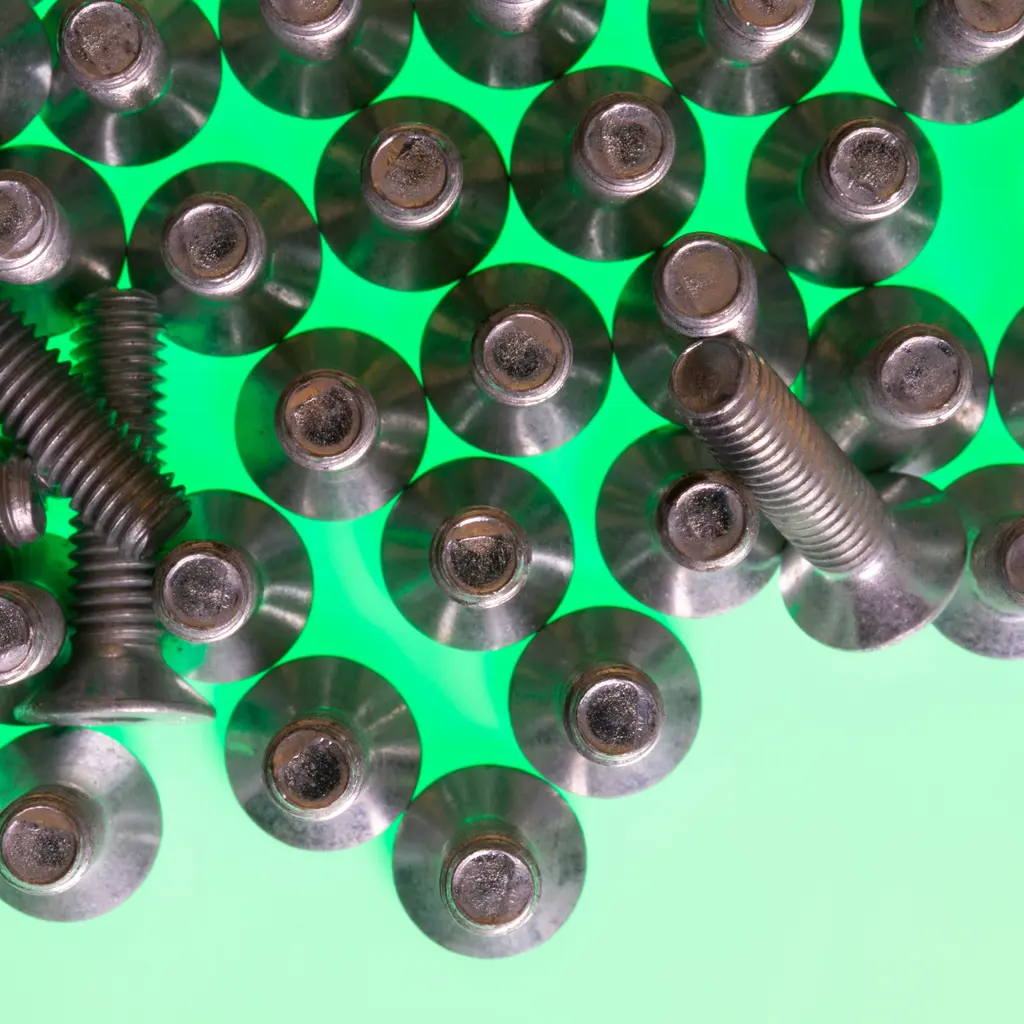
You run automated high-speed lines that convert metal wire and bar stock into millions of fasteners. Your production relies on consistency in heat treatment, threading, and plating across large volume runs.
The Southern Agency can review your fasteners, customer end uses and automated-line dependencies with you. We can compare protection for repeated-lot injury claims with separately arranged recall expenses, and check machinery, tooling and inventory values against the production time a failure could cost.
A flaw in metallurgy, threading, or heat treatment can repeat across a large lot, leading to product liability and recall exposure when fasteners fail.
Cold headers, threaders, and plating equipment are critical to output, and a failure can halt production and threaten supply commitments.
Large volumes of wire stock and finished hardware are exposed to fire, water damage, and theft, representing significant property value.
Fast-cycling presses and headers create amputation and caught-in hazards for operators feeding and tending the lines.
Moving heavy coils, bins, and finished goods with forklifts and hoists exposes workers to crush and ergonomic injuries.
Customers often impose specifications and certifications, and a documentation or quality lapse can trigger rejected lots and liability disputes.
Cutting oils, lubricants, and accumulated metal fines raise fire risk that can damage machinery and large finished-goods inventory.
Policies to ask about. Which ones fit depends on your operations, your contracts, and the carrier’s forms.
These hypothetical examples are not agency claim results. Whether a loss is covered depends on the facts, policy terms, and applicable exclusions.
A lot of bolts is alleged to have failed in a customer's assembly due to a heat-treatment error. Product liability may help with defense and resulting injury or damage to other parts of the assembly, depending on the policy and facts. Check bolts, heat treatment, design, and uses included. Replacing own parts, impaired assemblies, contract rework, and withdrawal remain separate questions.
A primary cold header breaks down and stops a production run. Equipment breakdown may help repair covered internal damage, and purchased business income may address lost output, subject to the policy and exclusions. Check tooling and stock owners, waiting periods, and restoration. Failed lots and supply penalties are not automatically insured.
A quantity of finished hardware is stolen from the warehouse. Property or purchased crime cover may help with the stolen stock, subject to the policy, limits, and exclusions. Check the theft cause, proof, hardware owner, discovery, reporting, and valuation under each form. A discrepancy or full customer contract value is not automatically payable.
Start with the work you do and the questions your current policies leave unanswered. Carrier options depend on your location, risk, and underwriting. Explore our approach.
A single defect can repeat across millions of parts. Product liability coverage may respond to injury or damage when defective hardware fails downstream, subject to policy terms and underwriting.
A repeated lot may prompt withdrawal. Compare any separately offered recall cover for the components and uses included, safety or defect trigger, expenses, limits, notice, and consent with ordinary injury or damage terms. Own-part or assembly replacement, customer rework and excess wording alone do not insure all recall or chargeback costs.
Equipment breakdown coverage may help with repair and lost income when headers, threaders, or plating lines fail, depending on the specific policy and exclusions.
Commercial property may help with raw wire and finished hardware damaged by covered fire or water events. Compare theft causes under property and any purchased crime form separately, including employee dishonesty, proof, ownership, discovery, and valuation. A shortage alone is not proof of covered theft.
Identify specifications, certifications, insured entities, limits, additional-insured endorsements, and indemnity, rework, or withdrawal duties. Compare products and duties accepted and issued terms. Contracts and certificates do not amend cover or insure every lot replacement, requested status, penalty or recall expense.
Most states require it for employees, and high-speed machinery creates real injury exposure. Requirements depend on your state and operations.
Bring your questions, current policies, and relevant contracts. An agent can review coverage terms, exclusions, and the information carriers ask for, then explain the options available to you.