

Severe burns and heat injuries
Furnaces and hot workpieces expose workers to burns and heat stress.
Try a different word, or check the spelling.
Your crews work through repeated hammer impacts as well as hot-stock handling. Employee protection needs to account for hearing and machinery duties, while customer dies, press repairs and defective forgings involve different insured interests.
The Southern Agency can help you review your forging operations and assess insurance terms for plant property, product liability, and equipment failures.
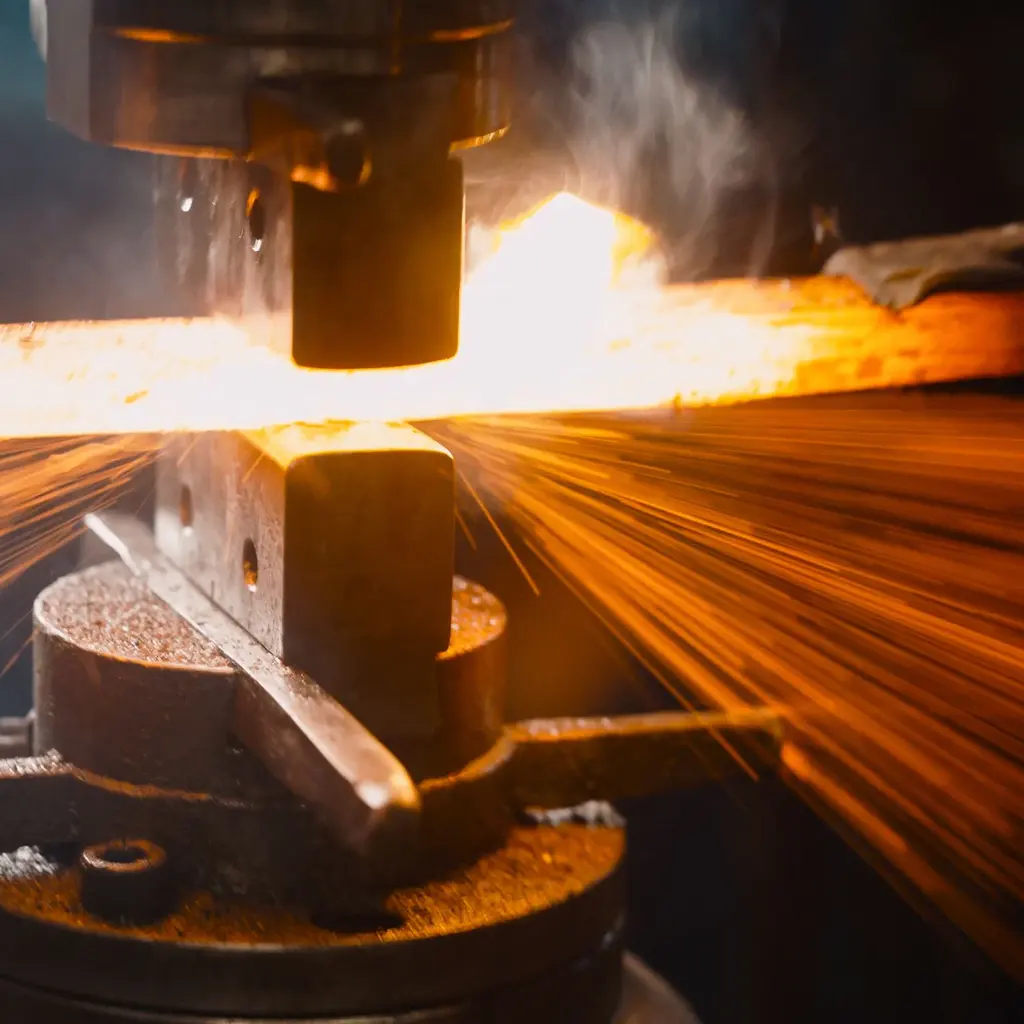
You shape heated billet and bar stock into components using heavy hammers, presses, and furnaces. If a metallurgical defect occurs in a load-bearing part, or if heavy handling leads to workplace accidents, your business may face significant liability or operational disruption.
The Southern Agency can review your plant activities, such as furnace operations and quench-fluid use, to help you choose appropriate insurance. For example, we can assist in distinguishing coverage for an insured breakdown of a hydraulic press from the routine maintenance or wear that you manage as an operator.
Furnaces and hot workpieces expose workers to burns and heat stress.
Drop hammers, presses, and heavy handling of hot stock create crush and struck-by hazards for operators and material handlers.
The repetitive, high-decibel impact of forging hammers can cause long-term hearing damage and vibration-related claims.
A grain-flow or metallurgical defect in a load-bearing forging can contribute to a downstream failure, creating product liability exposure.
Forging furnaces, hammers, and presses are costly and time-sensitive, and a failure can halt production and contracts for an extended period.
Process heat can ignite combustible materials. Assess the quench fluids used and their storage alongside stock and other materials that could be damaged.
Furnace emissions and used quench oils can create environmental exposure if released or improperly managed.
Policies to ask about. Which ones fit depends on your operations, your contracts, and the carrier’s forms.
These hypothetical examples are not agency claim results. Whether a loss is covered depends on the facts, policy terms, and applicable exclusions.
A worker is burned handling heated stock near a furnace. Workers' compensation may help with medical care and lost wages, subject to the policy and applicable law.
A forged component is alleged to have failed in a customer's machinery due to a metallurgical defect. Product liability coverage may respond, depending on policy terms and the facts. Establish whether there is injury or damage beyond the forging. Sorting, replacement, an impaired customer process and recall demands are distinct from such liability.
A primary forging hammer fails and halts production. Equipment breakdown coverage may help with repair and lost income, depending on the policy and exclusions. Establish the internal cause and time to repair and restart. Check purchased income terms separately from wear, servicing, and customer delivery penalties.
Start with the work you do and the questions your current policies leave unanswered. Carrier options depend on your location, risk, and underwriting. Explore our approach.
Burns, heavy impact and noise need to be described in the employee and state classification review. Include maintenance and material handling, not just press operators. Requirements and qualifying occupational-injury or illness benefits depend on the applicable rules.
Identify the component, load-bearing role, end use, and design responsibility. A metallurgical defect alleged to cause injury or other-property damage differs from a rejected forging, sorting costs, replacement, customer downtime or recall. Check the restrictions in the offered form.
Compare covered internal furnace or hammer failure with repair, replacement-part, and restart estimates. Wear, refractory maintenance and a missed delivery date are not by themselves insured breakdown. Lost income requires the applicable extension and restoration terms.
Explain furnace emissions, quench-fluid chemistry, storage, and waste routes. Check covered releases, cleanup, and third-party claims against site history and reporting conditions. Normal treatment, disposal, compliance upgrades, and fines are separate questions.
Describe process heat, the quench fluids used and where stock and oils are stored. Check covered property causes, values, and conditions with qualified fire advisers. Controls can inform the assessment but do not guarantee a claim payment or particular terms.
Compare potential third-party losses with the products, end uses, and underlying policies the excess form covers. Check attachment and exclusions. Additional liability limits do not replace workers’ compensation or automatically cover recall, pollution, own equipment, or design services.
Bring your questions, current policies, and relevant contracts. An agent can review coverage terms, exclusions, and the information carriers ask for, then explain the options available to you.