Skip to content

Switchgear And Circuit Breaker Manufacturer Insurance

A breaker that fails to interrupt a fault can leave far more than your own gear damaged. Review product liability alongside your role in protection settings, coordination and commissioning.

The Southern Agency can help you evaluate your coverage for the critical nature of electrical protective equipment manufacturing.

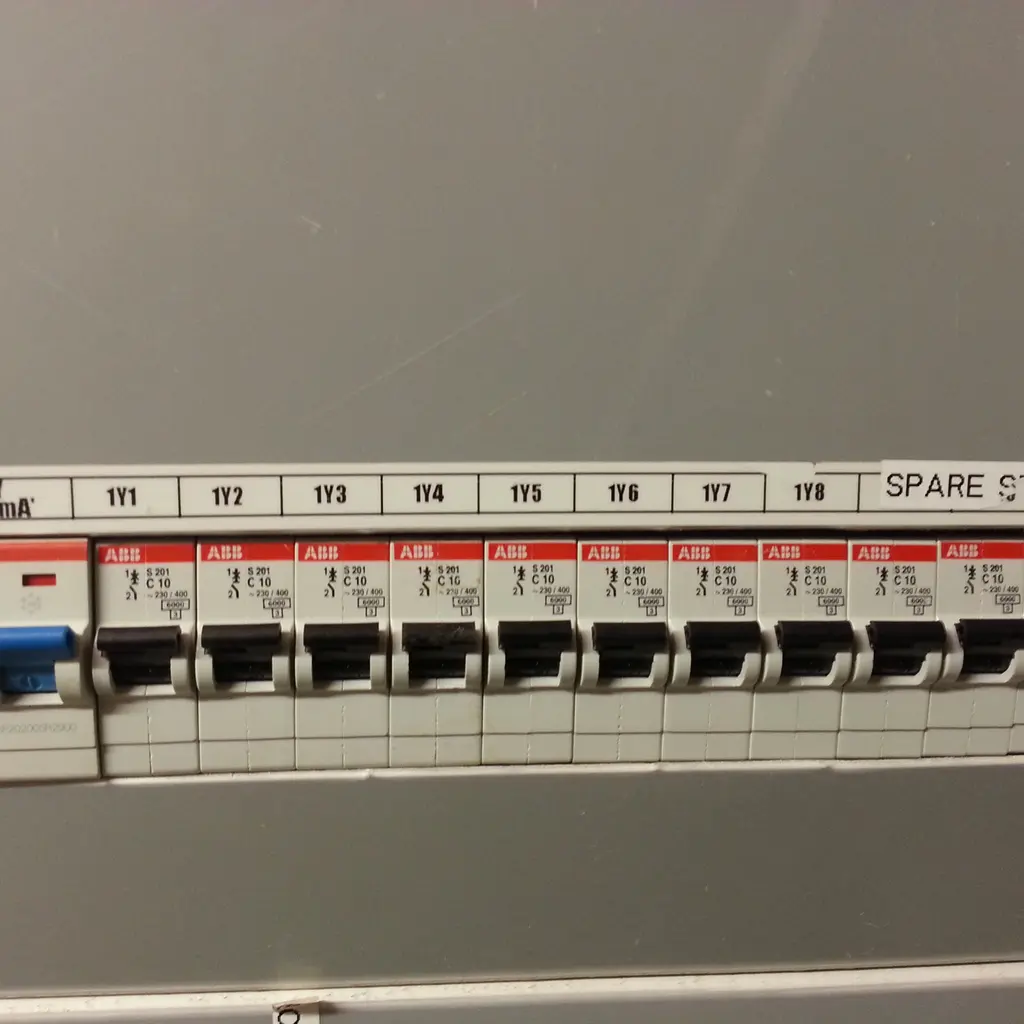
A row of miniature circuit breakers mounted in an electrical distribution panel.

Industry overview

You build protective electrical equipment, including switchgear and breakers, often used in critical data centers or utilities. Equipment failure during a fault can lead to significant injury or damage claims, while setting errors can disrupt operations.

The Southern Agency can review your design, testing, and fabrication roles to help you select appropriate insurance. We can clarify, for example, why an outage demand from a utility customer may exceed the scope of your general liability insurance.

Risks worth discussing

Protective device fails to operate

A breaker that does not interrupt a fault may allow injury, fire, or damage to other equipment. Identify the assembly, rating, application and alleged design, manufacture or setting error separately from replacing the breaker.

Arc-flash injury from product defect

A protection or coordination error can be alleged to contribute to an arc-flash injury or damage. Establish who designed the scheme, selected the device, set it, and commissioned the system; the allegation alone does not decide fault or cover.

High-voltage testing hazards

High-voltage and short-circuit tests expose staff and test equipment to electrical injury and damage. Describe the tests actually performed, worker roles, and qualified safety controls, including testing done by others.

Critical-infrastructure downstream loss

A hospital, utility or data-center customer may claim equipment damage, loss of use or outage costs. Separate covered damages from service guarantees, delay charges and financial demands not tied to insured injury or property damage.

Enclosure fabrication injuries

Forming, machining and welding enclosures and busbars expose workers to struck-by, caught-in, and burn hazards. Include maintenance, loading and actual employment arrangements.

Test equipment breakdown

An internal failure of a high-voltage test system can hold up release of completed assemblies. Repair, product retesting, ordinary calibration, and customer delay require separate cause and expense review.

Specification and coordination disputes

Incorrect ratings, settings or coordination can lead to retuning, replacement or rejected gear and lost-production demands. A failed specification alone does not establish covered injury or property damage; design or study services need their actual terms.

Situations to think through

These hypothetical examples are not agency claim results. Whether a loss is covered depends on the facts, policy terms, and applicable exclusions.

  1. Hypothetical: Breaker fails to trip

    A customer alleges a breaker failed to interrupt a fault, allowing an arc-flash that damaged other equipment and injured a worker. Product liability may address covered defense and damages if the device, use and duties fit its terms. Repairing the breaker, recalling other units, and paying every claimed outage charge are separate questions.

  2. Hypothetical: Arc-flash during testing

    An arc-flash during high-voltage testing injures an employee. Workers compensation may address qualifying medical and wage benefits under the applicable rules. Test-equipment or customer-assembly damage involves separate property interests and causes; one employee claim does not fund the whole event.

  3. Hypothetical: Test system breakdown

    A high-voltage test system fails and completed assemblies cannot be released. Equipment breakdown may address eligible repair after insured internal damage, with income only under the protection purchased. Routine calibration, failed acceptance results, retesting costs and buyer delay charges do not establish that trigger or the entire claimed shutdown loss.

Before you talk to an agent

What to have ready

Tick items as you gather them. Nothing here is saved or sent.

Questions to raise

  • Map manufacture, device selection, coordination studies, settings, installation, and commissioning to the party responsible. Compare those duties with product and any professional-services terms.
  • Use plausible injury, other-equipment damage, and loss-of-use scenarios when discussing limits. Compare those amounts with primary aggregates and defense treatment, keeping customer outage guarantees separate. A hospital or utility name alone does not determine the additional limit needed.
  • Describe actual high-voltage and short-circuit tests, controls, outside labs, and test-system values. Insurance does not certify an assembly or approve the protection scheme.
  • Estimate test-system repair and replacement time separately from calibration, product retesting, and customer acceptance. Compare purchased income and extra expense with those stages.
  • Keep withdrawal, replacement, settings correction and warranty commitments distinct from liability for resulting injury or property damage. A buyer’s certificate request does not add those expenses.

Contract terms to check

  • Allocate assembly design and manufacture, ratings, protection coordination, settings, and installation or commissioning. Identify whether a buyer, consultant, installer, or manufacturer controls each stage; a wrong setting is not necessarily a broken product.
  • Separate injury, other-equipment damage and alleged loss of use from retuning, own-gear replacement, rejected specifications, withdrawal and customer outage guarantees. Check own-product, impaired-property, professional, and contract terms for the loss alleged.
  • If manufacturer errors-and-omissions or services terms are offered for financial loss, confirm the products and coordination or design duties included. Review exclusions and, where claims-made, prior acts and when claims must be made and reported; a general consultants policy does not establish those activities insured.
  • Compare utility, hospital, data-center, vendor, and distributor requests with issued limits and endorsements. A certificate does not add insured status or cover every indemnity, availability promise, penalty, or recall obligation.
  • Bring equipment finance, customer-tooling and testing agreements. Separate insured property interests, internal test-system repair and purchased income from ordinary calibration, certification, acceptance testing and promised delivery dates.

What the agent conversation looks like

Start with the work you do and the questions your current policies leave unanswered. Carrier options depend on your location, risk, and underwriting. Explore our approach.

  1. ListenReview your operations, current coverage, and past claims.
  2. AssessIdentify potential hazards and discuss ways to reduce risk.
  3. BuildDiscuss policy and carrier options, premium costs, and audits.
  4. SupportReview changes and help you plan ahead as your needs develop.

Questions owners ask

Why is product liability so significant here?

A failed protective device can be alleged to allow injury, fire, or damage to other equipment. Describe voltage, rating, use and who selected, designed, or set the protection. Compare the actual injury or damage claim with own-gear replacement, impaired-property, professional, warranty, and withdrawal terms, rather than assume every fault claim has the same response.

How are high-voltage testing hazards covered?

Workers compensation may address qualifying employee electrical injuries under applicable state rules. Describe in-house and outsourced tests, staff duties, and controls. Property damage, internal test-system repair and income are separate from employee benefits; insurance does not approve the safety procedure.

Does coverage reflect critical-infrastructure customers?

Disclose the systems and services protected and possible injury, equipment damage, and loss of use. Compare buyer outage remedies, indemnities, and requested limits with actual product duties and issued terms. A critical-infrastructure label does not establish capacity, a required limit, or payment for every downstream interruption.

What if the defect is a settings or coordination error?

An incorrect rating or setting can contribute to injury or damage even if no component broke. Product liability may address a covered resulting claim. Retuning, replacing gear, and financial-only shutdown demands need separate review, including any offered manufacturer errors-and-omissions or design-services terms, professional, and impaired-property exclusions and claims-made deadlines where used.

What protects us if a test system breaks down?

An insured internal event may qualify for eligible test-system repair. Purchased income and extra expense have waiting periods, restoration terms, and limits. Calibration, product-test failure, retesting and buyer acceptance or delivery delays alone do not establish insured machine damage or every interruption cost.

Why consider an umbrella policy?

Compare plausible claims and customer requests with primary limits, aggregates, and defense treatment. An excess layer may add limits above the specified underlying cover, subject to its attachment and exclusions. It does not itself cover recall, settings correction, performance guarantees, or plant repair; the devices and duties must fit both layers.

Talk through your switchgear and circuit breaker manufacturer coverage

Bring your questions, current policies, and relevant contracts. An agent can review coverage terms, exclusions, and the information carriers ask for, then explain the options available to you.

How can we help you get started?

Choose the quote that fits, and we’ll take it from there.

Have a question? Contact us