

Pressure vessel failure in the field
A weld, design, or material defect can lead to a leak, rupture, or explosion at a customer site long after delivery, driving serious liability claims.
Try a different word, or check the spelling.
Your code stamp and a customer's proof-test requirement do not make every failed vessel an insured loss. Product, testing and transport protection need to distinguish harm to others from repairing or reworking the vessel itself.
The Southern Agency can help you coordinate insurance for your pressure vessel manufacturing, covering fabrication equipment and liability for products in the field.
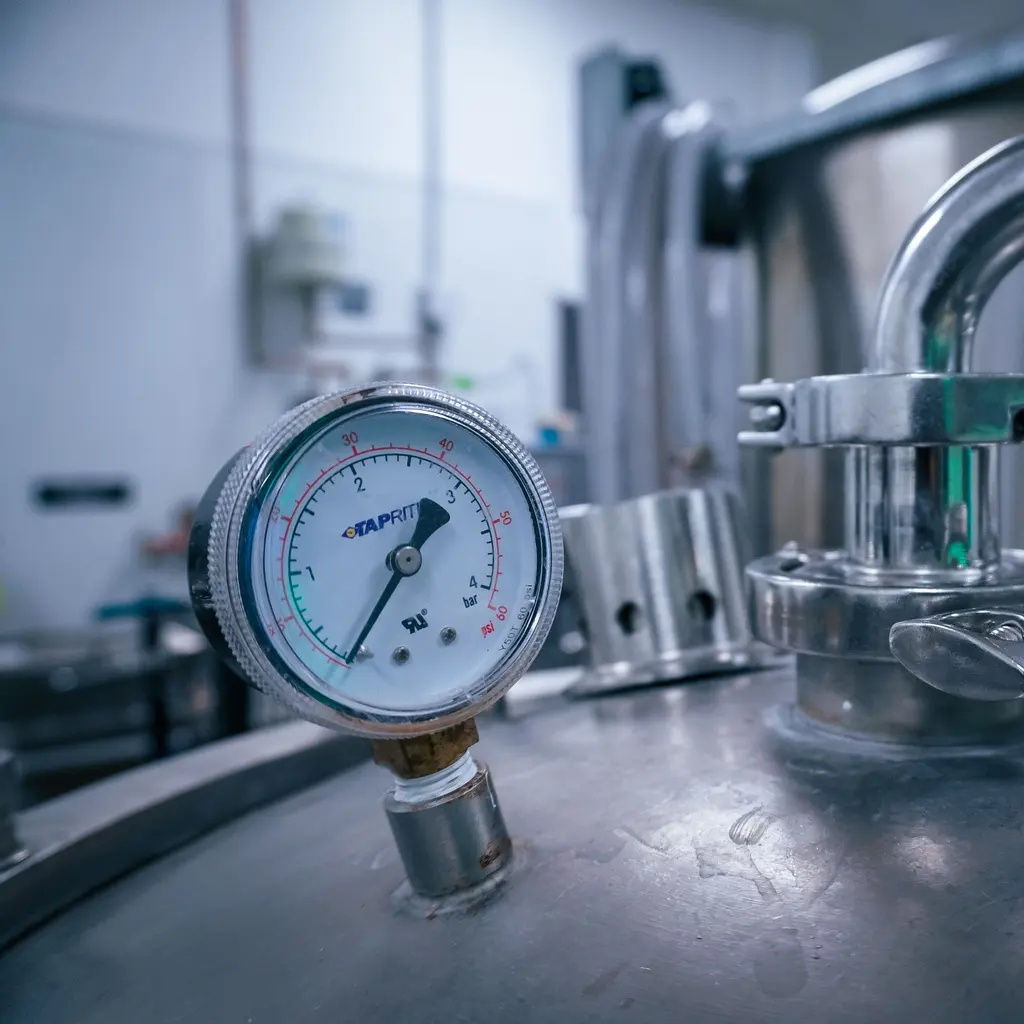
You fabricate heavy pressure vessels and tanks where a welding defect could cause a rupture at a client's site, or a test failure could injure someone in your shop.
The Southern Agency can review your fabrication, testing, and shipping processes to help you select appropriate insurance. We can help you clarify the scope of your product liability regarding vessel installation versus the costs of repairing a vessel that fails a proof test.
A weld, design, or material defect can lead to a leak, rupture, or explosion at a customer site long after delivery, driving serious liability claims.
Certified welders working heavy plate face burns, arc flash, fume exposure, and fire risk that create meaningful workers' compensation exposure.
Filling and pressurizing a vessel for testing can cause sudden energy release, posing injury and property damage risk inside the plant.
Rolling, forming, and lifting large steel sections with overhead cranes exposes workers to crush and dropped-load injuries.
Plate rolls, welding positioners, and test rigs are costly to repair, and an extended outage can halt code-stamped production and contracts.
ASME certification and customer specifications impose requirements, and a documentation or quality lapse can trigger rework and liability disputes.
Plasma cutting, grinding, and welding generate sparks and slag that can ignite materials, threatening the plant and work in progress.
Policies to ask about. Which ones fit depends on your operations, your contracts, and the carrier’s forms.
These hypothetical examples are not agency claim results. Whether a loss is covered depends on the facts, policy terms, and applicable exclusions.
A storage tank develops a seam leak at a customer facility and is alleged to stem from a weld defect. Product liability may help with resulting damage and defense, depending on the policy and facts. Identify any injury or damage to other property separately from repairing the tank or seam. Review impaired property, the contents and any pollution, design and contract or recall exclusions, and the timing of damage and the claim.
A welder suffers serious burns during hot work on a vessel. Workers' compensation may help with medical care and lost wages, subject to the policy and applicable law. Confirm the employment relationship, state, and covered occupational injury. These employee benefits differ from customer claims during testing or delivery and from other wage or contract promises.
A primary plate-rolling machine fails mid-contract and stops production. Equipment breakdown may help with repair and lost income if the internal failure is covered. Review any income protection purchased, its waiting and restoration periods, and limits. Missing a contract deadline or owing a penalty does not by itself make those costs insured.
Start with the work you do and the questions your current policies leave unanswered. Carrier options depend on your location, risk, and underwriting. Explore our approach.
A vessel defect can cause injury or damage years after delivery. Describe the vessel, contents, service conditions, and your design, fabrication and installation duties. Review which products are included, pressure and design exclusions, and when injury or damage must occur. Where claims-made terms apply, check reporting and prior-acts provisions too. An old delivery date alone does not assure coverage for every future claim.
Work with qualified advisers to identify the applicable Boiler and Pressure Vessel Code (BPVC) section and mark and your manufacturing, assembly, design, and testing scope. Certification and insurance are separate. A code stamp does not add insured parties, set a universal insurance limit, assure payment for correction or recertification, or prove that every legal and customer requirement is satisfied.
Equipment breakdown coverage may help with repair costs and lost income when critical fabrication machinery fails, depending on the specific policy and exclusions.
Inland marine coverage may help protect fabricated vessels and materials in transit, including oversized loads, depending on policy terms and the carrier arrangement.
Bring supply terms and any pressure-testing, design or installation obligations, indemnities, requested limits, and additional-insured requirements. Compare those duties with the policy and endorsements issued. A request or certificate is not a promise that matching terms are available or that every indemnity, code correction, or rework cost is covered.
Most states require it for employees, and welders face significant burn and crush exposure. Requirements depend on your state and operations.
Bring your questions, current policies, and relevant contracts. An agent can review coverage terms, exclusions, and the information carriers ask for, then explain the options available to you.