

Solvent fire and vapor ignition
Solvent-based inks and dyes generate flammable vapors that can ignite during mixing, grinding, and filling operations.
Try a different word, or check the spelling.
Your color can be off shade without damaging the paper or textile it touches. Product and property terms should separate physical substrate damage from correcting the color, reprinting and other performance disputes.
The Southern Agency can help you protect your plant and production while managing the chemical and environmental exposures of your manufacturing process.
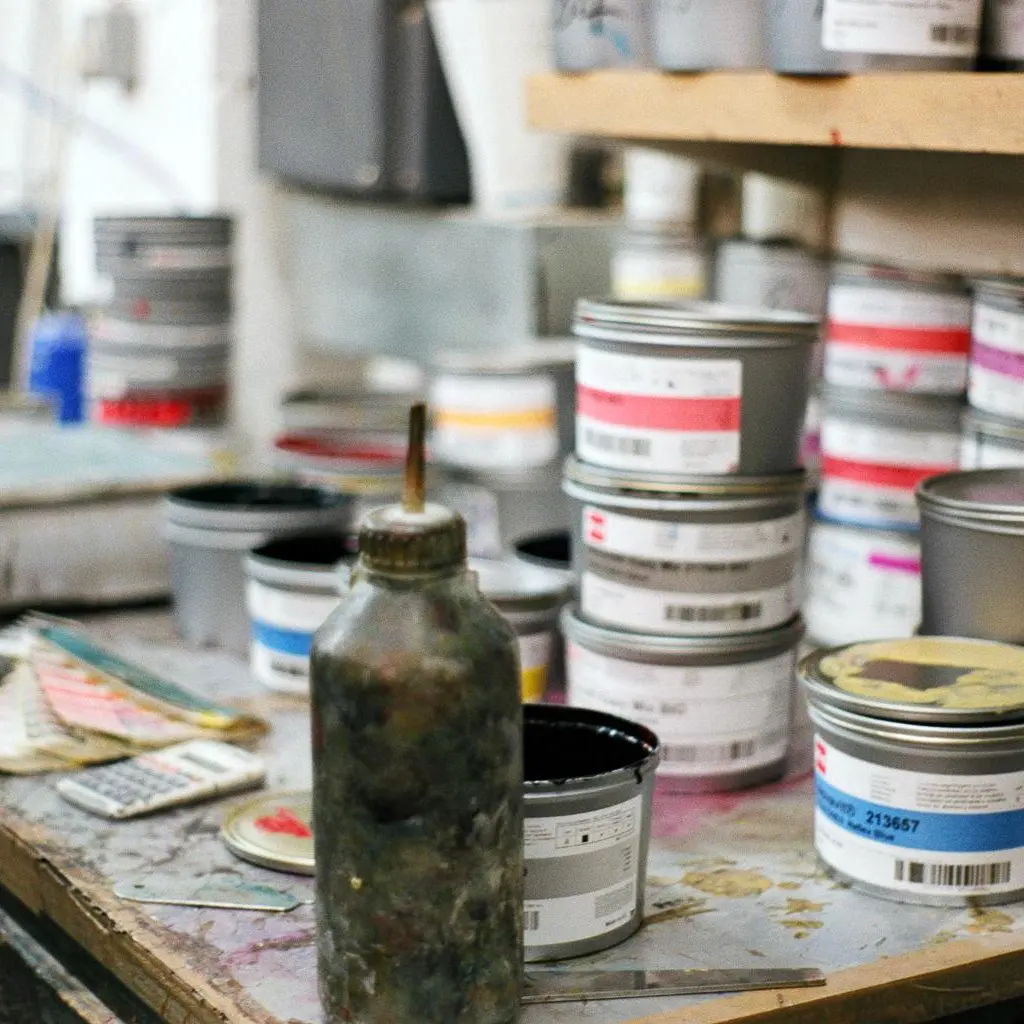
Your factory blends pigments, solvents, and resins into inks and dyes. This process creates fire risks from flammable solvents, health hazards from dust, and pollution risks from wastewater and chemical handling.
The Southern Agency can review your chemical formulations and waste-handling routes to help you select appropriate insurance. For example, we can discuss how your environmental policy handles accidental releases versus routine permit compliance.
Solvent-based inks and dyes generate flammable vapors that can ignite during mixing, grinding, and filling operations.
Actual pigment/additive composition, particle form and process determine dust combustibility and inhalation concerns; grinding does not make every pigment an explosive fuel.
Off-shade or contaminated color can spoil customer paper, textile or packaging; distinguish actual physical substrate damage from own color replacement, reprinting, impaired property and performance disputes.
Actual factory wash/process water and chemical waste can contaminate drains or waterways. Distinguish manufacturer waste routes from customer dye-house discharge and ordinary compliance duties.
Mills, dispersers, mixers, and filling lines are critical, and a failure can stall batches and spoil in-process color.
Staff face solvent inhalation, pigment dust, and skin-contact hazards during grinding, blending, and packaging.
Policies to ask about. Which ones fit depends on your operations, your contracts, and the carrier’s forms.
These hypothetical examples are not agency claim results. Whether a loss is covered depends on the facts, policy terms, and applicable exclusions.
A printer alleges an off-shade ink batch spoiled a large packaging run. Product liability may help with defense and covered damages, subject to the policy, but the allegation alone does not prove physical substrate damage. Establish whether the demand concerns damaged paper or packaging, ink correction or replacement, reprinting, impaired goods or delay, then compare own-product, impaired-property and contract terms.
Solvent vapors ignite in the mixing area, damaging mills and inventory. Commercial property may help repair equipment and replace stock, and purchased business income may address lost output, subject to the policy and exclusions. Check covered fire cause, equipment and stock values and restoration scope; batch rejection and every lost order are separate questions.
Dye process water reaches a storm drain and prompts a regulatory complaint. Environmental liability may help with covered cleanup and defense costs, depending on endorsements and exclusions. Check release, cleanup and defense triggers, notice and consent separately from ordinary treatment, reporting, permit correction and penalties; the complaint alone does not prove cover.
Start with the work you do and the questions your current policies leave unanswered. Carrier options depend on your location, risk, and underwriting. Explore our approach.
Identify whether ink or dye physically damaged customer paper, textile or packaging or instead failed approved shade or purity and prompted replacement or reprinting. Review own-product, impaired-property, contract, and recall terms. A ruined-run allegation or off-shade batch does not automatically establish covered property damage.
Describe dye chemistry, manufacturing wastewater, waste handlers, and customer application duties separately. Compare releases, cleanup and third-party claims included, reporting and consent with normal treatment, permit correction, reporting duties, and fines, which are not automatically insured.
Assess pigment and additive composition, particle form and process with qualified advisers. Some dusts can burn; others chiefly raise exposure concerns. Compare the property or employee cause and terms rather than treating every pigment as explosive or every dust injury as insured.
Disclose solvent versus water-based carriers, quantities, grinding, mixing, and filling stages and material-specific controls. Compare property causes and values included and any purchased income extension. A solvent label or controls alone do not establish payment for every fire or favorable terms.
Identify covered internal failure of a mill, disperser, mixer or filler separately from formulation, shade, wear or cleaning issues. Review repair, cleaning and restart time, purchased stock or income extensions, waiting periods, and exclusions. A spoiled batch or missed shipment alone is not insured breakdown.
Describe solvents, pigments, additives, contact and inhalation exposures and blending or filling duties under state employee classifications. Compare qualifying injury and benefit rules; chemical exposure or the factory label alone does not establish payment for every occupational claim.
Bring your questions, current policies, and relevant contracts. An agent can review coverage terms, exclusions, and the information carriers ask for, then explain the options available to you.