

Rack and shelving collapse
Design, weld or anchoring faults in loaded racking can cause collapse and injure people or damage stored goods. Establish the alleged cause and parties involved.
Try a different word, or check the spelling.
Your rack's capacity, drawings and anchoring plan may involve different design and installation parties. Liability protection should follow those actual duties, separately from redesigning the system or meeting a project's bond request.
The Southern Agency can help evaluate your shop's fabrication hazards and field installation risks.
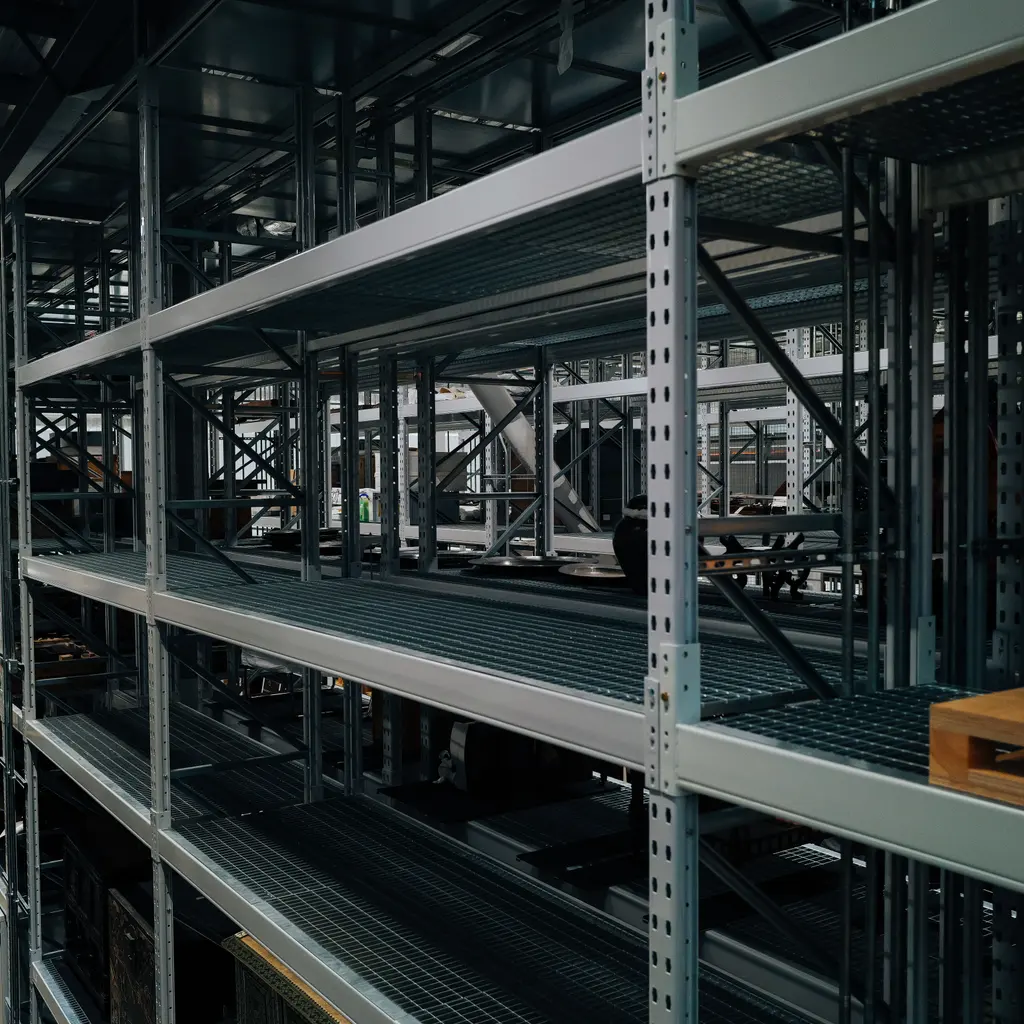
You fabricate and install industrial storage systems and office partitions, performing heavy metal forming and site-based construction. The risk of rack collapse or mounting failure carries long-term liability for both physical injury and property damage.
The Southern Agency can review your design and installation practices to help select appropriate insurance. For example, we can help you distinguish between a liability claim for a rack failure and the separate protection needed for your onsite installation crews.
Design, weld or anchoring faults in loaded racking can cause collapse and injure people or damage stored goods. Establish the alleged cause and parties involved.
Identify responsibility for capacities, drawings, and any site or seismic requirements. A calculation dispute may involve injury, loss of use or only engineering correction.
Handling and erecting racking or partitions can damage a customer’s premises or injure occupants or crew members. Identify whose people and property are involved.
Roll forming, punching, and welding expose staff to machinery and hot-work hazards. Review coating chemistry, dust and ignition conditions rather than assume every finish presents the same fire risk.
Uprights, beams, and panels can bend or suffer impact during loading, shipment, and site handling. Identify ownership and the stage at which damage occurred.
Metal handling, welding, and lifting can cause burns, crush injuries, and strains in the shop and on site. Describe both fabrication and installation duties.
Policies to ask about. Which ones fit depends on your operations, your contracts, and the carrier’s forms.
These hypothetical examples are not agency claim results. Whether a loss is covered depends on the facts, policy terms, and applicable exclusions.
Installed pallet racking collapses under load and injures a worker. Establish the worker’s employer, the design, fabrication, and installation duties, and whether work was complete. Review the injury claim separately from repairing the rack, replacing other systems, or fulfilling a load-rating warranty.
A fire near the powder-coat line damages the shop and steel inventory. Establish the fire cause, affected machinery and stock owners, values and covered location. Review property and any purchased income terms separately from internal failure and the cost of completing delayed orders.
An installation crew damages a customer’s ceiling and flooring while erecting partitions. Identify the damaged property and the part being worked on, then review installation, custody, and worked-on restrictions. Repairing your own partition and meeting a completion promise are separate costs.
Start with the work you do and the questions your current policies leave unanswered. Carrier options depend on your location, risk, and underwriting. Explore our approach.
A loaded rack can collapse and injure people or damage stored goods. Describe capacity, intended use, design, weld, and installation duties, then review the resulting claim and limits. Own-system repair, rerating, warranty, and withdrawal require different terms from injury or other-property damage.
Declare delivery, lifting, anchoring, erection, and any subcontracted work. Review ongoing and completed-work liability, property in custody or being worked on, and employee benefits. Insuring the shop or shipping the components does not establish protection for every site activity.
Identify who calculates, supplies, and approves capacities and anchoring. A defect can lead to injury, loss of use or only redesign before service. Compare product, installation and professional-services restrictions. If an advice policy is offered, check the defined service, injury and product exclusions and any claims-made reporting and prior-acts terms.
Read the actual solicitation or installation agreement and bond form; size or a public buyer does not establish one universal obligation. Compare bid, performance, and payment duties, qualification, capacity, and principal indemnity with the surety. A bond is not your reimbursement policy for a failed rack or late job.
Identify component owners, values, packing, carrier, and custody through loading, transit, staging, and installation. Check causes, handling and theft terms, limits and when protection ends. Carrier legal liability may differ from full component value, and installation liability is a separate review.
Describe welding, punching, roll forming, metal handling, and site lifting or anchoring, with payroll, employment status, and work states. Review applicable classifications and qualifying medical and wage benefits. Fabrication and installation duties should both be disclosed; requirements follow state rules and employment facts.
Bring your questions, current policies, and relevant contracts. An agent can review coverage terms, exclusions, and the information carriers ask for, then explain the options available to you.