

Hand-tool laceration injuries
Round knives, skiving blades, and stitching awls expose artisans and any helpers to cuts and puncture wounds during daily work.
Try a different word, or check the spelling.
Your tools and finished leather goods may go to a fair or pop-up where you also demonstrate the work. A studio package needs to be checked for that activity and show value, separately from a custom-fit refund or commission dispute.
The Southern Agency can help you match liability, property and tool coverage to your specific blend of craftsmanship and direct sales.
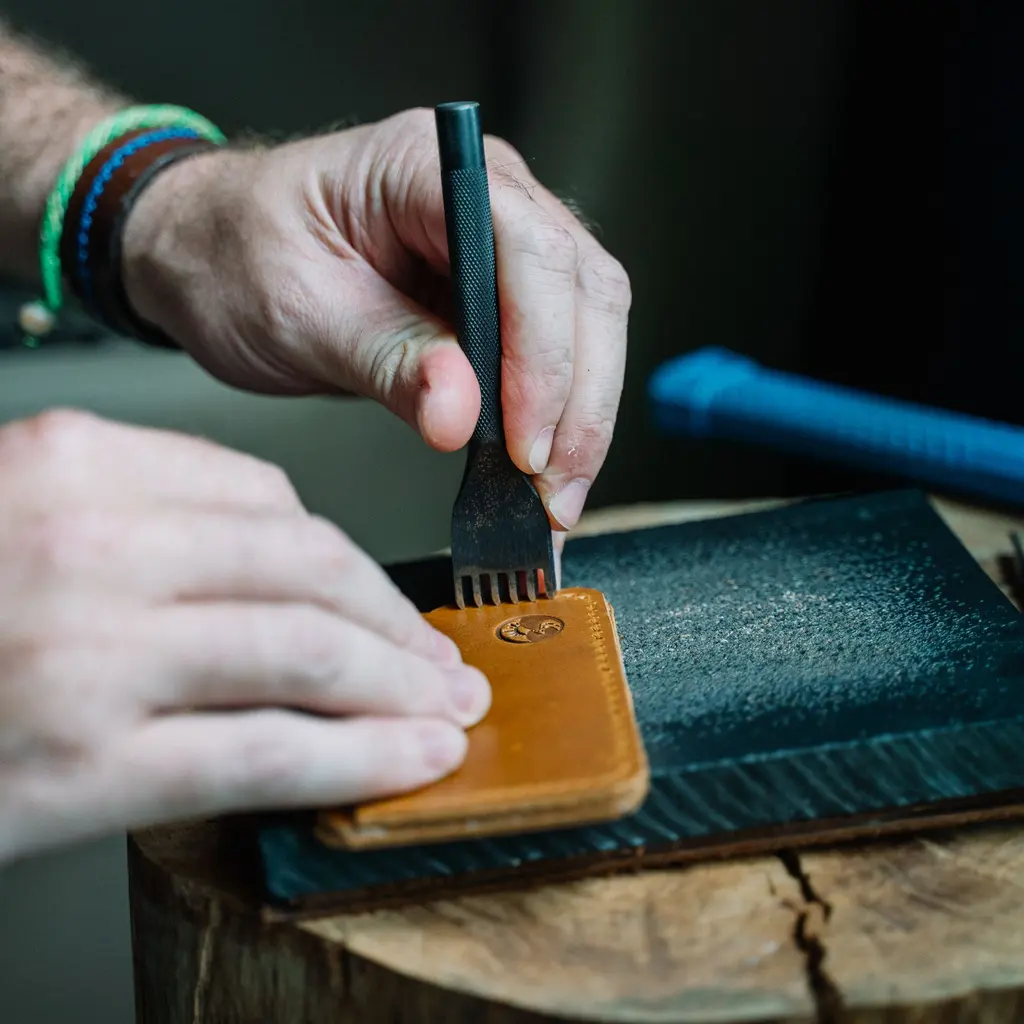
You produce small-batch leather goods like wallets and straps using hand tools and finishing equipment in your studio. Selling these items at markets or through commissions introduces liability for your products and interactions with customers.
The Southern Agency can review your workshop and market activities to help you select appropriate insurance. For example, we can help you align property coverage for your hides and tools with liability protection for studio visits or event demonstrations.
Round knives, skiving blades, and stitching awls expose artisans and any helpers to cuts and puncture wounds during daily work.
Wallets, straps, and custom goods sold straight to consumers can prompt claims if dyes irritate skin or hardware fails.
Premium leather, specialty tools, and finished goods are portable and valuable, making burglary and theft a real concern.
Hides, finishes, and finished pieces can be ruined by fire, smoke, or water in a small studio with limited separation.
Selling and demonstrating at fairs, pop-ups, and the studio creates premises and bodily-injury exposure to visitors.
Bespoke commissions can lead to disagreements over fit, finish, or specification that may carry liability or financial loss.
Policies to ask about. Which ones fit depends on your operations, your contracts, and the carrier’s forms.
These hypothetical examples are not agency claim results. Whether a loss is covered depends on the facts, policy terms, and applicable exclusions.
A customer trips at the workshop's market booth and is injured. General liability coverage may respond to medical and liability costs, depending on policy terms and the facts of the incident. Review accepted market/booth activities, actual injury and applicable terms, distinct from every venue indemnity or automatic medical payment.
Specialty tools and a hide stock are stolen overnight. Property and crime coverage may help replace them, depending on the specific policy, endorsements, and exclusions. Separate insured property and burglary evidence from employee theft/shortage, valuation and security terms; crime does not automatically replace all tools/hides.
A buyer reports a skin reaction to a dyed strap. A product liability policy may respond to the claim, subject to policy terms and underwriting. Distinguish alleged wearer reaction from strap replacement, refunds, batch withdrawal, and custom-work correction.
Start with the work you do and the questions your current policies leave unanswered. Carrier options depend on your location, risk, and underwriting. Explore our approach.
A one-person maker can face visitor, product, tool, and stock loss. Compare craft, finishing, sales and event duties with any offered package and separate off-site terms; size alone does not establish eligibility or every benefit.
List tools and goods, owners, peak vehicle and event values and transit and storage arrangements. Compare off-site causes and terms included, including theft and processing, rather than assuming every fair or stock loss is insured under studio contents.
A dye reaction or strap or hardware injury can produce a product claim, and market visitors create separate premises exposure. Refunds, fit or finish disputes and own-goods replacement are not automatically covered because the buyer purchased directly.
Describe cutting, skiving, stitching, powered equipment, finishing, sales, and event activities. Factory and workshop operations can overlap; batch size and hand tools do not create an exclusive insurance category or determine every cover.
Check the helper's status, state employee requirements, work duties and payroll. Disclose knife, awl, finishing and event activities; hiring one helper does not establish a universal requirement or benefit outcome.
Record design, fit and finish approvals, customer-supplied material and refund or rework promises. Separate those disputes from injury or other damage, custody and any design or intellectual-property cover included. Contract clarity does not insure every unsatisfactory commission.
Bring your questions, current policies, and relevant contracts. An agent can review coverage terms, exclusions, and the information carriers ask for, then explain the options available to you.