

Theft of high-value compact inventory
Fine hides, branded hardware, and finished wallets pack high value into small, portable form, making burglary and inventory shrinkage a real concern.
Try a different word, or check the spelling.
Your stock count can show a missing wallet or buckle without establishing how it disappeared. Crime and property protection need proof and discovery terms that fit the shop, separately from shipped or consigned goods.
The Southern Agency can help you compare theft evidence, owned or consigned accessory values, product materials and shipping duties with the actual policy terms.
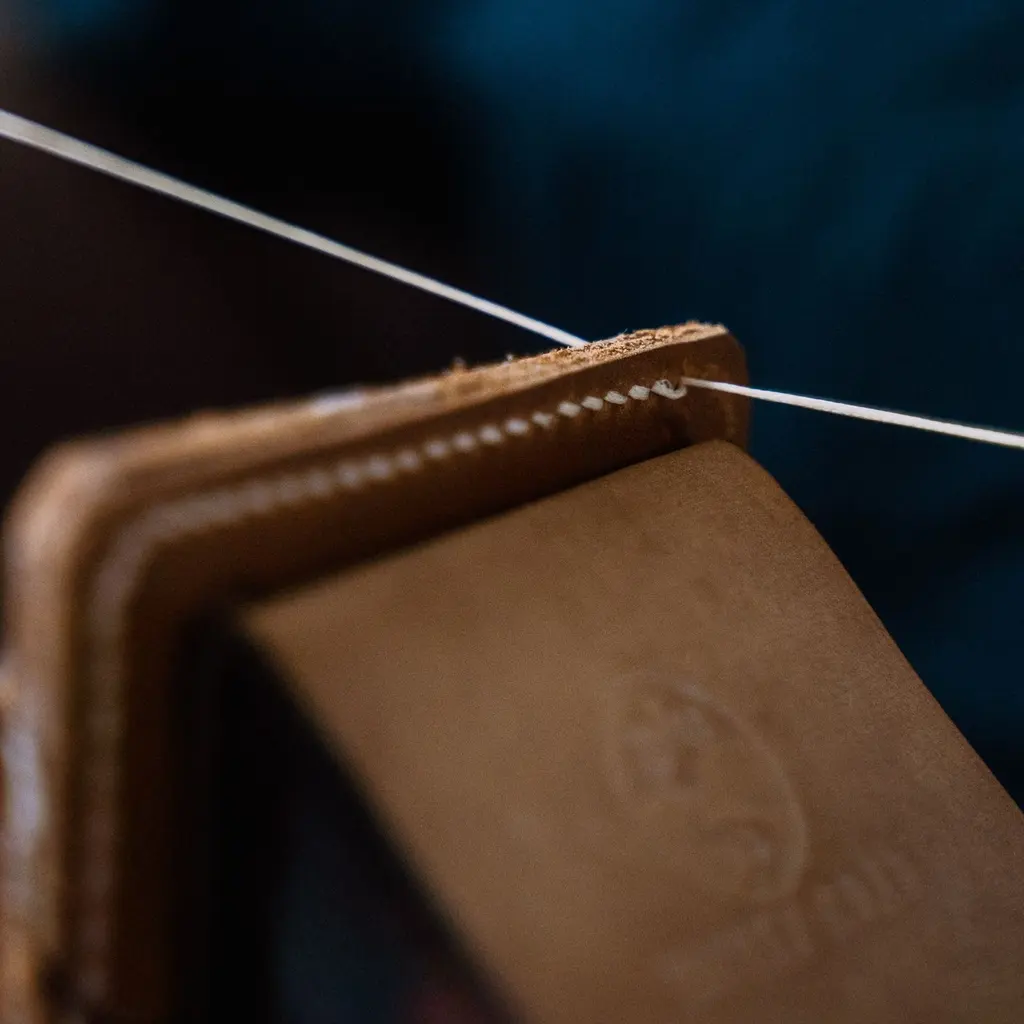
You transform hides and hardware into leather goods where small-volume, high-value inventory is vulnerable to theft and a hardware failure can result in an injury claim.
The Southern Agency can review your shop layout, storage and market sales to help you choose insurance for your goods. For instance, we can discuss how to protect your consigned stock from theft during transit compared to protecting your shop from premises liability.
Fine hides, branded hardware, and finished wallets pack high value into small, portable form, making burglary and inventory shrinkage a real concern.
Compact, valuable goods and materials are vulnerable to internal theft, creating crime, and fidelity exposure for the shop.
Dyes, cements, edge paints, and solvents used in finishing add fire risk and limited exposure tied to chemical handling and disposal.
Nickel or dye allergic reactions, sharp edges, or a failed buckle or snap can lead to product liability claims from consumers.
Wholesale and direct shipments of small high-value accessories are exposed to theft, loss, and damage in transit.
Cutting hides, skiving, operating presses and stitchers, and setting hardware expose staff to lacerations and repetitive strain.
Policies to ask about. Which ones fit depends on your operations, your contracts, and the carrier’s forms.
These hypothetical examples are not agency claim results. Whether a loss is covered depends on the facts, policy terms, and applicable exclusions.
Thieves break in and take finished wallets and branded hardware. Property or crime coverage may help with the stolen inventory, depending on the policy and evidence. The review would establish who owned the stock, whether the loss was an outside burglary or employee theft, and whether discovery, proof, and security conditions were met. Valuation and overlapping coverage terms still apply; two policies do not provide double recovery, and an unexplained shortage is a separate question.
A customer reports a skin reaction tied to a belt's nickel buckle. Product liability may help with the injury claim and defense costs if the policy includes the product and materials involved. The customer's alleged injury and the policy's endorsements and exclusions need review. Replacing rejected accessories, honoring warranties, and refunding buyers are separate costs.
A shipment of wallets to a retailer is lost in transit. Coverage for goods in transit may help with the loss, subject to the policy. Check who owned the wallets and bore the risk of loss, whether the shipment and carrier were included, and how the goods are valued. Exclusions may apply, and the amount owed under the retailer's contract need not equal the insured value.
Start with the work you do and the questions your current policies leave unanswered. Carrier options depend on your location, risk, and underwriting. Explore our approach.
Hides, branded hardware, and finished accessories pack high value into small, portable form. Property and crime coverage may help, with limits set to inventory value, subject to underwriting.
Compact valuable goods make internal theft a real exposure. Crime coverage may help address employee dishonesty, depending on the specific policy and endorsements.
Dyes or nickel that touch the skin, sharp hardware, and failing straps or buckles can prompt injury claims. Tell your agent which products and materials you use, then review the policy restrictions that apply. Liability coverage for an injury does not automatically pay to replace your own product, fulfill a warranty or refund a buyer.
Dyes, cements, and solvents add fire and limited environmental exposure. Property coverage and proper handling may help, though availability depends on underwriting.
Inland marine coverage may respond to loss or damage of high-value goods in transit to retailers and consumers, subject to limits and the specific policy.
Yes. Bring the brand permissions and supply agreement, including indemnities, requested limits, and any requirement to name the retailer as an additional insured. Compare those requirements with the products covered and endorsements the insurer has issued. A certificate or contract does not change the policy or establish coverage for a trademark dispute, warranty obligation, or retailer penalty.
Bring your questions, current policies, and relevant contracts. An agent can review coverage terms, exclusions, and the information carriers ask for, then explain the options available to you.