

Pipe or fitting failure in service
A leak or burst can damage a building or other property. Identify pressure or gravity service and the water, gas, sewage, or chemicals involved.
Try a different word, or check the spelling.
Your pipe may carry water, gas, sewage, or chemicals under different pressure conditions. Product and transit protection should fit those uses and the long loads you ship, separately from removing and reinstalling a defective section.
The Southern Agency can help you identify the right insurance to balance your plant-based risks with long-term product liability.
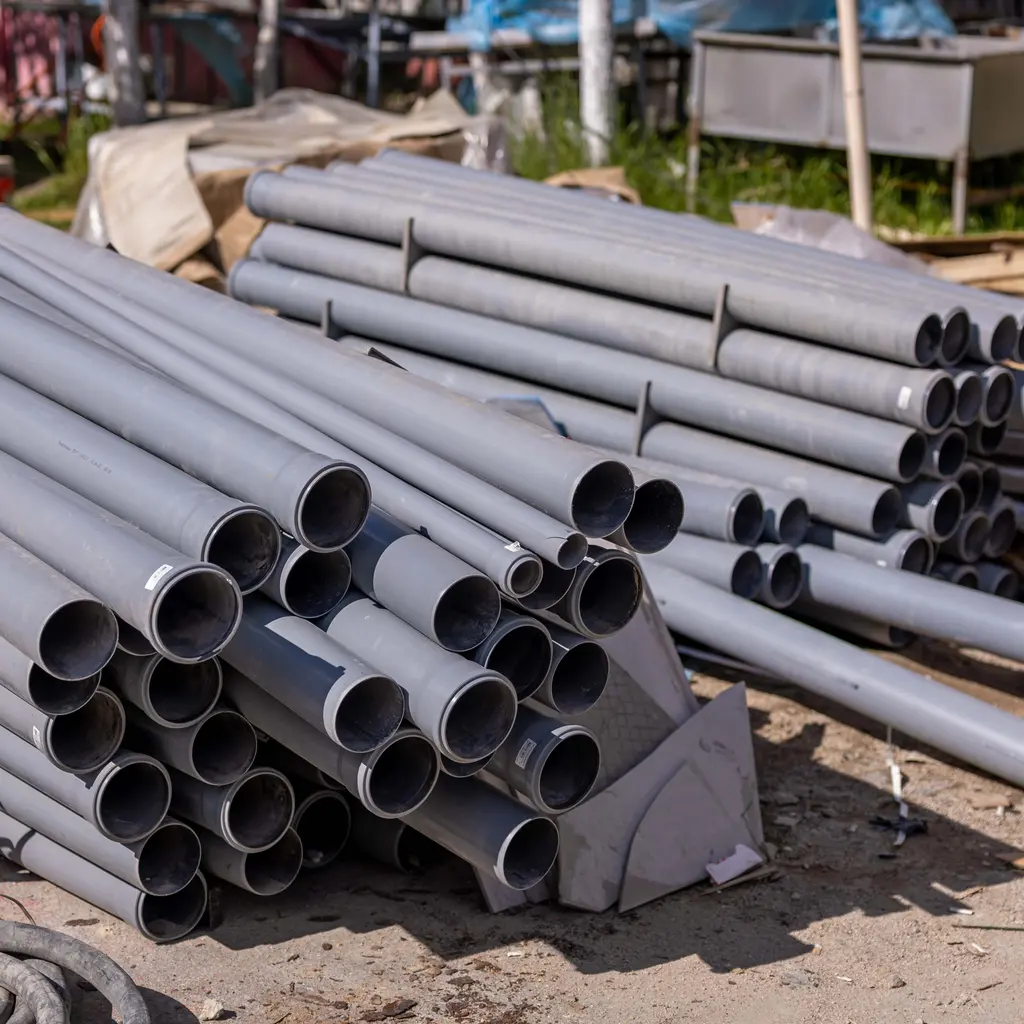
Your facility uses extrusion and molding to create pipe and fittings for pressure-sensitive or gravity-based applications. The long-term nature of these products means that a formulation error can cause damage years after installation, while your active plant faces immediate operational hazards.
The Southern Agency can review your specific manufacturing processes and material types to help you select appropriate insurance. For example, we can clarify how your coverage may respond to building damage caused by leaking pipe versus the excluded costs of removing and replacing your defective product.
A leak or burst can damage a building or other property. Identify pressure or gravity service and the water, gas, sewage, or chemicals involved.
A wrong formulation, contaminated blend or off-spec wall may lead to rejection or later failure. Preserve resin, regrind, batch and test records without assuming all recycled material has the same performance.
Heated dies, resin dryers and continuous lines create fire, burn, and machinery dependencies. Process scrap and internal equipment damage are different losses.
Bulk resin and large pipe inventories concentrate value in silos, yards, and warehouses, with fire, collapse, and storm exposure. Location, ownership and covered causes matter.
Cut-off saws, hot tooling, presses and material movement expose workers to cuts, burns, and crush injuries.
Pipe and palletized fittings can be damaged during loading, transport or unloading, separately from vehicle accident liability.
Policies to ask about. Which ones fit depends on your operations, your contracts, and the carrier’s forms.
These hypothetical examples are not agency claim results. Whether a loss is covered depends on the facts, policy terms, and applicable exclusions.
Pressure-rated pipe fails after installation and floods a commercial floor. Review resulting building damage and the declared material, service and fluid, separately from the pipe itself, excavation, removal, and reinstallation. Identify when damage occurred and follow the applicable policy and reporting terms.
A drive motor on the main extrusion line fails and stops production for days. Identify covered internal damage and purchased stock and income terms, repair and restart time and waiting periods. Wear, process scrap, and missed distributor orders do not alone establish payment.
A distributor reports cracked fittings from one production run. Establish any resulting injury or damage to other property and review any withdrawal terms separately. Cracked stock or a recall does not itself fund your fittings, sorting, refunds, removal from sound installations or all distributor demands.
Start with the work you do and the questions your current policies leave unanswered. Carrier options depend on your location, risk, and underwriting. Explore our approach.
Identify the material, pressure or gravity use, fluid, and resulting injury or damage to other property. Replacing your pipe, excavation, removal, undamaged shutdown, and recall are separate costs. A failure found years later needs review of when injury or damage occurred and the applicable policy and reporting terms.
Describe the resin source, blend, traceability, specifications, and tests, including any customer restrictions. Regrind is not one uniform material or proof of weak pipe. Changes need qualified product and insurance review; records do not guarantee acceptance or payment.
Identify covered internal extruder, drive, chiller, or press damage and purchased stock and income terms. Estimate repair and restart time and check waiting periods. Wear, wrong blends, failed tests, and customer delays alone do not establish a covered loss.
Review vehicles and drivers for auto liability and vehicle damage, then the goods insured, ownership, loading, transit, and unloading stages. Outside-carrier responsibility is a separate question. Listing a truck does not establish protection for every pipe load.
Bring the distributor’s requested limits, additional-insured terms, warranties, and indemnities. Compare them with the policy’s products, services, limits, and issued endorsements. A supply agreement or certificate does not guarantee availability or that every requested term can be met.
Underwriters weigh sales volume, product mix, plant construction, fire protection, payroll, and claims history. Each factor shapes pricing, depending on policy terms.
Bring your questions, current policies, and relevant contracts. An agent can review coverage terms, exclusions, and the information carriers ask for, then explain the options available to you.